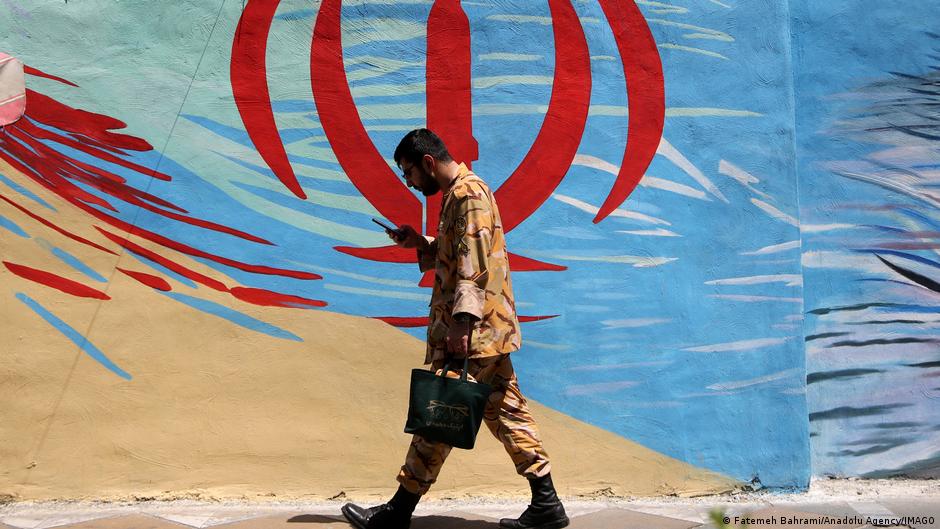
Pakistan has delivered a revised peace proposal from Iran to the US, but talks remain stalled and both sides have been warned they do not have much time before the conflict escalates again. Trump said the ceasefire is "on life support" and is weighing fresh strikes, while Iran continues to demand compensation for war damage and an end to hostilities. The dispute involves the Strait of Hormuz, through which roughly one-fifth of global oil and LNG flows, creating meaningful upside risk to energy markets and broader geopolitical volatility.
The immediate market variable is not the diplomacy itself but the probability distribution around a renewed supply shock. Even a modest increase in perceived strike risk should embed a higher geopolitical premium into crude, tanker insurance, and LNG shipping rates; the market usually misprices these events on day one and then reprices through volatility rather than spot. The most asymmetric move is in the energy complex's forward curve: near-dated contracts should outperform deferred barrels if traders believe disruption risk is measured in days to weeks rather than quarters.
The second-order winner is not just upstream producers but any asset that benefits from infrastructure bottlenecks and risk-off positioning. Middle East exposure should pressure EM sovereign and credit spreads, particularly countries with external funding needs and large energy import bills; that creates a relative-value opportunity long US energy/defense versus short EM beta. Defense and missile-defense names can catch a bid if rhetoric translates into operational preparation, but the higher-probability trade is still energy because it responds fastest to escalation headlines.
The contrarian miss is that a lot of the upside may already be in the options market, while the real underpriced risk is a ceasefire extension that collapses the geopolitical premium just as quickly. If Pakistan-mediated talks produce even a narrow confidence-building step, crude could give back a large part of the spike in 1-3 sessions because positioning is likely to be crowded and headline-driven. That means the best risk/reward is not naked directional exposure but structures that monetize volatility while capping downside if talks unexpectedly stabilize.
AI-powered research, real-time alerts, and portfolio analytics for institutional investors.
Request DemoOverall Sentiment
strongly negative
Sentiment Score
-0.68
