The House narrowly passed a $9.4 billion spending cut package championed by President Trump after last-minute negotiations flipped two Republican votes, highlighting the influence of centrist Republicans on contentious issues like state and local tax (SALT) deductions. The bill, which rescinds funds from foreign aid, public broadcasting, and global AIDS programs, now faces an uncertain future in the Senate, where key Republicans have expressed reservations. This outcome underscores the political challenges Trump and Speaker Johnson face in securing support for spending cuts and tax legislation, with potential implications for broader fiscal policy and legal challenges to federal funding slashes.
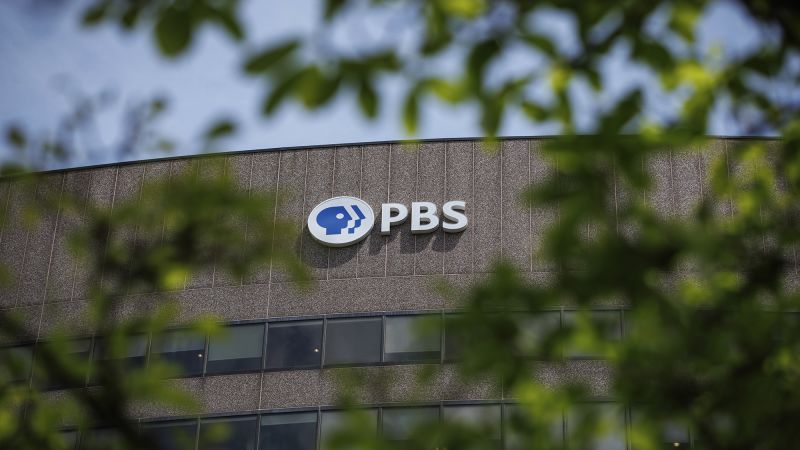
The House of Representatives narrowly approved a $9.4 billion package of spending cuts, identified as "rescissions," after significant last-minute political maneuvering by Speaker Mike Johnson to secure votes from centrist Republicans, including Rep. Nick LaLota and Rep. Mike Lawler. These negotiations reportedly involved discussions around state and local tax (SALT) deductions, a contentious issue that could complicate President Trump's broader tax and spending agenda, particularly in the Senate. The approved cuts target federal funding for foreign aid, public radio and broadcasting (including $1.1 billion for the Corporation for Public Broadcasting), and the Bush-era PEPFAR program for global AIDS, aligning with President Trump's objective to claw back previously appropriated funds. This legislative action, while far smaller than the over $1 trillion in cuts potentially envisioned by the Department of Government Efficiency, aims to insulate the Trump administration from legal challenges over funding reductions and sets a precedent, with Speaker Johnson anticipating further rescission requests. However, the package faces an uncertain reception in the Senate, where it only requires 51 votes for passage but has drawn concern from key Republicans, including Senator Susan Collins, who chairs the Appropriations panel and is seeking modifications. The outcome reflects the delicate balance of power within the GOP and the significant political capital required to advance fiscal adjustments, with organizations like PBS and NPR now intensifying lobbying efforts in the Senate to protect their funding.
AI-powered research, real-time alerts, and portfolio analytics for institutional investors.
Request DemoOverall Sentiment
Neutral
Sentiment Score
0.00
