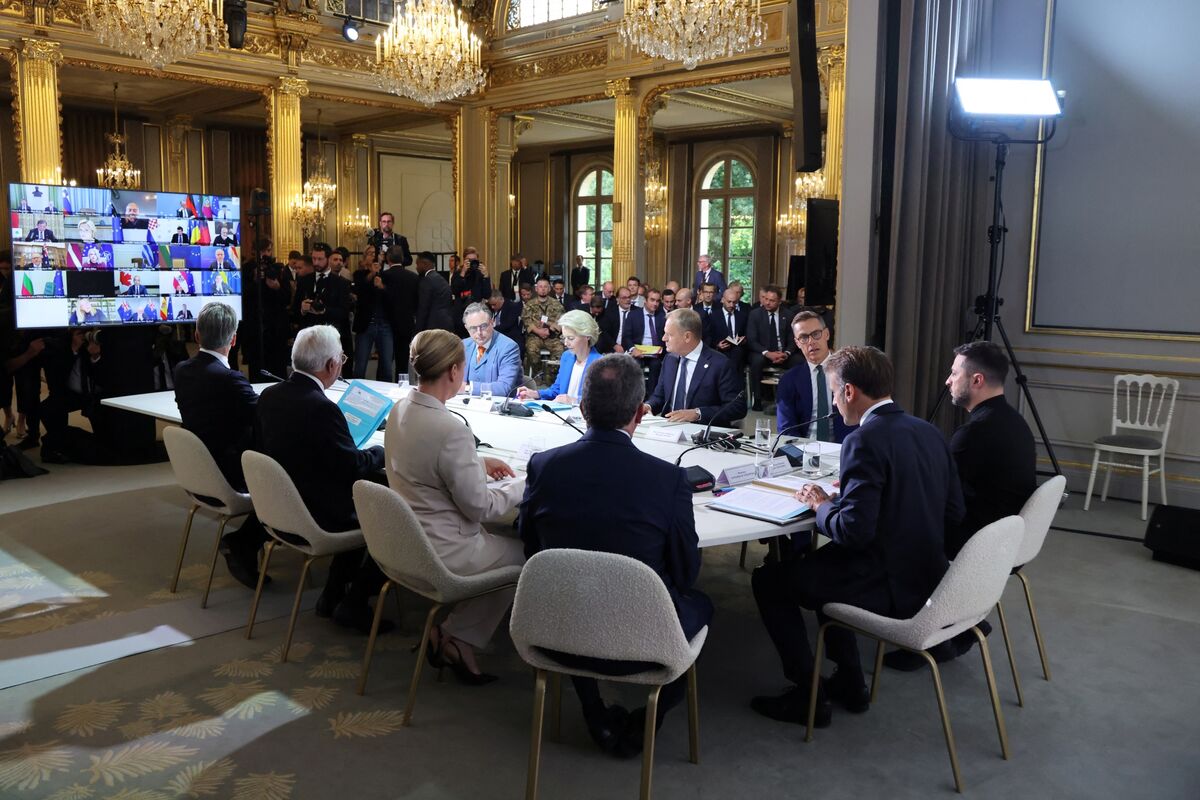
German Chancellor Friedrich Merz expressed frustration over Europe's inability to exert sufficient pressure on Russia to end the Ukraine war, attributing this to stalled US security guarantees and sanctions. Merz highlighted Europe's dependence on American support, while noting Russia's success in forging new partnerships with nations like China, India, and Brazil. This signals a fragmented international front against Russia and Europe's constrained geopolitical influence without robust US engagement.
German Chancellor Friedrich Merz's statements underscore a critical fracture within the Western approach to the war in Ukraine, revealing Europe's perceived inability to independently influence Russia. The expressed frustration, rooted in stalled US security and sanctions support, highlights a significant dependency that exposes European geopolitical vulnerabilities. This situation is amplified by Russia's success in cultivating new partnerships with major non-aligned economies, including China, India, and Brazil, which effectively dilutes the impact of Western sanctions and signals a potential realignment of global influence. The moderately negative sentiment (-0.6) and pessimistic tone of the report reflect the increased risk of a prolonged conflict, which carries sustained implications for European economic stability, energy security, and regional supply chains. The lack of a cohesive and forceful transatlantic strategy suggests that geopolitical uncertainty will remain a dominant theme for investors.
AI-powered research, real-time alerts, and portfolio analytics for institutional investors.
Request DemoOverall Sentiment
moderately negative
Sentiment Score
-0.60
