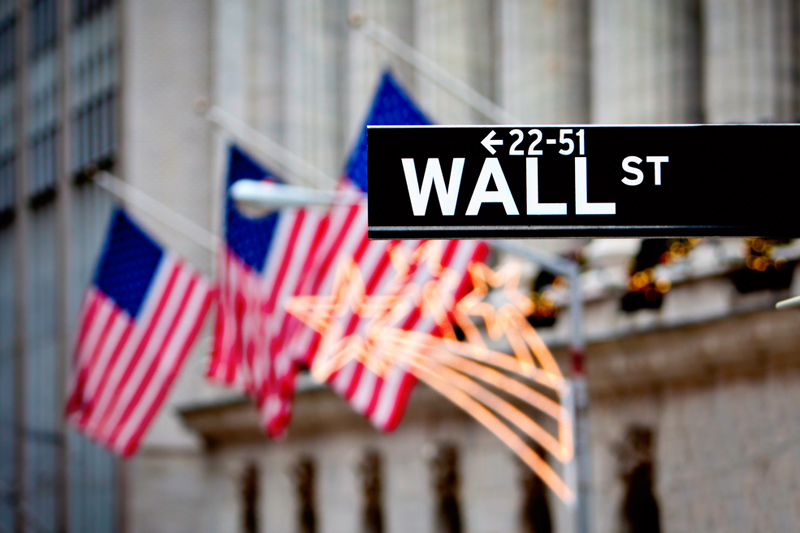
U.S. stock indexes closed at record highs, with the S&P 500 up 0.2% to 7,412.87, the Nasdaq Composite up 0.1% to 26,274.13, and the Dow up 0.2% to 49,704.34, but gains were capped by renewed Middle East tensions after Trump rejected Iran's latest ceasefire proposal. April CPI data due Tuesday is expected to show headline inflation rising to 3.7% year-on-year, keeping pressure on Fed rate-cut expectations as oil prices stay near four-year highs. Chip strength tied to AI optimism helped drive the rally, while futures were little changed after the close.
The near-term setup is a classic cross-current: macro prints are likely to dominate index direction over the next 24-72 hours, but the market’s internal leadership still matters more than the headline level. If CPI comes in hot, the first-order reaction is higher front-end yields and lower duration multiples; the second-order effect is a leadership squeeze in the most crowded AI beneficiaries, where valuation support is still heavily tied to easing expectations and low real rates. That makes the current tape vulnerable to a fast factor rotation rather than a broad de-risking if inflation surprises modestly to the upside.
SMCI remains the cleaner barometer of whether investors are buying the AI capex story or just the momentum. The stock can outperform on incremental evidence of sustained server demand, but it is also the most exposed to any digestion in hyperscaler spending because its multiple already prices in uninterrupted growth and margin stability. APP is less duration-sensitive than SMCI and can hold up better if the market rotates from “pure AI hardware” into monetization names with clearer cash flow conversion, especially if AI ad optimization continues to show operating leverage.
Geopolitics is the underappreciated inflation transmission channel here: sustained energy pressure raises the probability that the Fed stays restrictive for longer, which hurts long-duration equities even if earnings revisions remain stable. The market is still treating the conflict as an oil shock, but the bigger risk is a second-round effect through inflation expectations and breakevens that delays easing into 2025. If that happens, the winners are balance-sheet quality and near-term cash returns, not the highest-beta growth cohort.
Consensus may be underestimating how fragile the index-level highs are if macro data merely meets expectations rather than beats them. With positioning stretched in mega-cap growth, a neutral-to-hot CPI print could still trigger a sharp unwind in the most crowded winners even without a full risk-off event. The contrarian view is that the setup favors buying volatility rather than chasing upside, because the market is priced for a clean disinflation narrative that the current energy backdrop does not support.
AI-powered research, real-time alerts, and portfolio analytics for institutional investors.
Request DemoOverall Sentiment
neutral
Sentiment Score
-0.05
Ticker Sentiment
