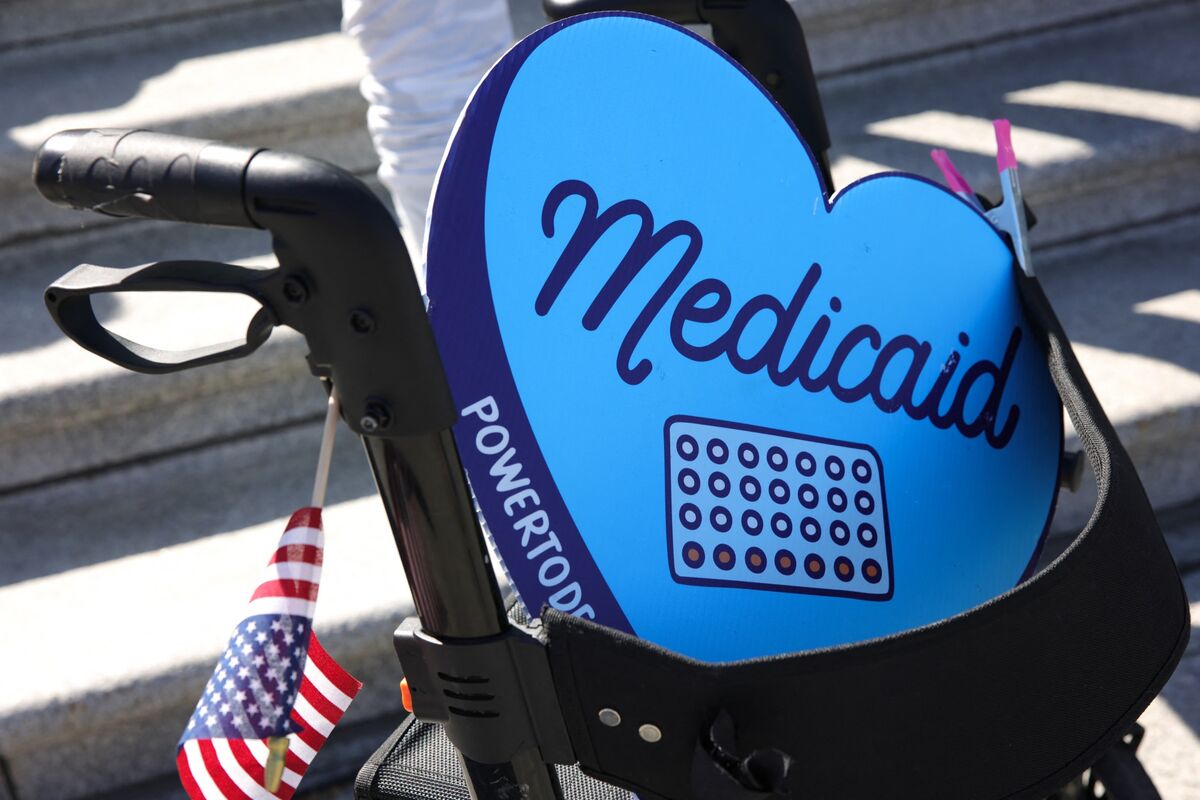
A recently approved Republican legislative package combines $4.5 trillion in tax cuts over a decade with increased defense and border spending, partially offset by nearly $1 trillion in Medicaid cuts over ten years. This significant fiscal re-prioritization, targeting the public health insurance program for low-income and disabled individuals, signals a major shift in federal spending and social welfare policy with potential implications for the healthcare sector.
A newly approved legislative package introduces a significant fiscal recalibration, combining a $4.5 trillion tax cut over a decade with increased spending on defense and border security. To partially offset these costs, the bill mandates a substantial cut of nearly $1 trillion to Medicaid over ten years, a move projected to remove health coverage for approximately 12 million people. This reduction in the public health insurance program for low-income and disabled individuals represents a material headwind for the U.S. healthcare sector. Hospitals and managed care organizations with high exposure to Medicaid reimbursement are likely to face increased uncompensated care costs and a reduction in their insured patient base, potentially compressing margins and revenue. While the tax cuts and new defense spending may provide a stimulus to other sectors, the primary and most immediate market impact is concentrated on the negative outlook for healthcare providers reliant on government-funded programs.
AI-powered research, real-time alerts, and portfolio analytics for institutional investors.
Request DemoOverall Sentiment
strongly negative
Sentiment Score
-0.65
