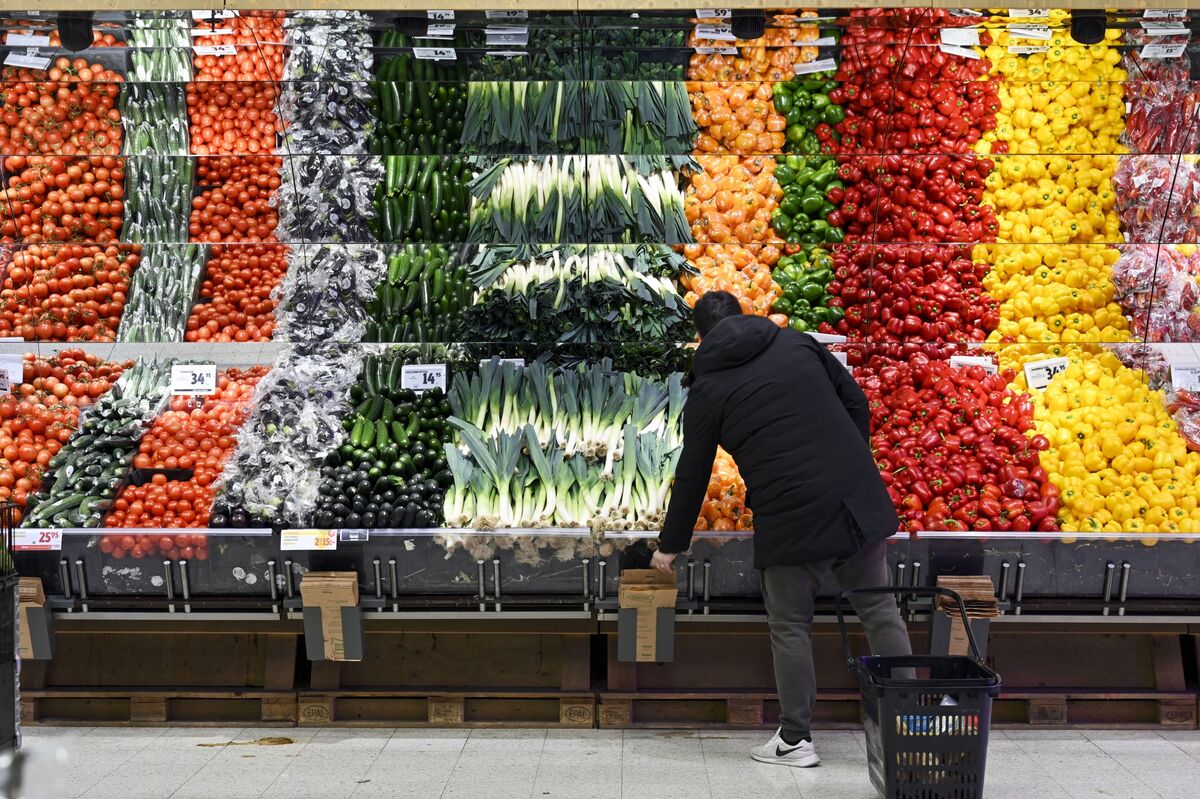
Sweden's government has proposed halving the value-added tax on food, aiming to boost private consumption and support cautious households ahead of an election year. This measure seeks to address a key weakness in the Swedish economy, which has lagged the Euro area since the pandemic, a concern previously highlighted by both the finance ministry and the Riksbank due to persistent household spending caution.
The Swedish government's proposal to halve the value-added tax on food is a targeted fiscal stimulus measure aimed at reviving anemic private consumption, which has been identified by both the finance ministry and the Riksbank as a primary factor for the economy's underperformance relative to the euro area since the pandemic. This policy directly addresses the persistent caution in household spending noted by the central bank in its August statement. By increasing the disposable income of consumers, the government seeks to spur demand in a key sector. The timing of this proposal, ahead of an election year, suggests a dual political and economic motivation. While the sentiment is mildly positive, the moderate market impact score indicates that investors may view this as a supportive, but not transformative, policy for the broader Swedish economic outlook.
AI-powered research, real-time alerts, and portfolio analytics for institutional investors.
Request DemoOverall Sentiment
mildly positive
Sentiment Score
0.25
