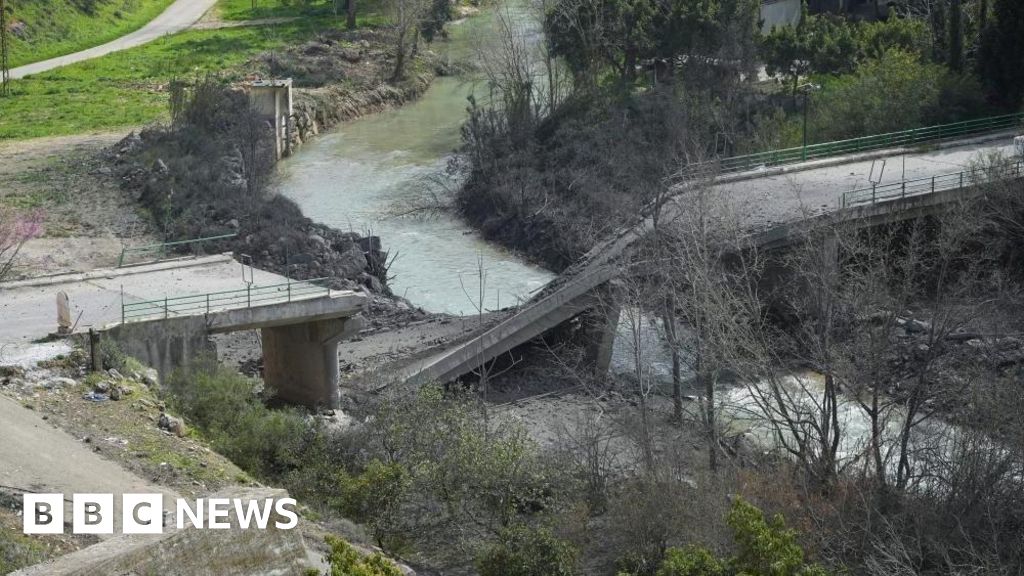
968 people, including at least 111 children, have been killed since 2 March and Israeli air strikes destroyed two bridges over the Litani River linking southern Lebanon to the rest of the country; strikes in Beirut killed at least 12 and wounded 27. The operations signal a geographic escalation beyond southern suburbs into central Beirut, target crossings and alleged Hezbollah-linked infrastructure, and have forced over 1 million people to flee their homes. This widening conflict materially raises regional geopolitical risk and is likely to drive risk-off flows and volatility in regional assets and tourism/hospitality exposure.
The shift from localized strikes to strikes farther into urban infrastructure raises the probability of a protracted asymmetric escalation with Iran-backed proxies rather than a short punitive campaign. That means market reactions will be more about risk-premia repricing than direct commodity or supply disruptions: expect capital flight from Lebanese and nearby EM exposures within days and a multi-week squeeze on regional liquidity that could widen CDS spreads by multiples versus global peers. Destroying transit nodes and bridges is a near-term multiplier for domestic supply-chain stress — food, fuel and construction inputs will face higher transport premia and rerouting costs (conservatively +5–12% for affected legs) for weeks-to-months, pushing localized inflation and increasing demand for private security/logistics services. Secondary beneficiaries will be firms and hubs that provide alternative maritime/logistics routing and private military/logistics contractors rather than pure OEM defense primes alone. Market structure response is risk-off: USD, USTs and gold will be immediate go-to hedges while regional tourism/travel revenue is at risk for 1–3 quarters; defense equities and specialty security services should see earnings tailwinds over 3–12 months if escalation persists. Catalysts that would reverse these trades are rapid multinational diplomatic intervention or a stable ceasefire within 2–6 weeks; sustained noise without escalation will likely see partial mean reversion in risk premia within 1–3 months.
AI-powered research, real-time alerts, and portfolio analytics for institutional investors.
Request DemoOverall Sentiment
strongly negative
Sentiment Score
-0.85
