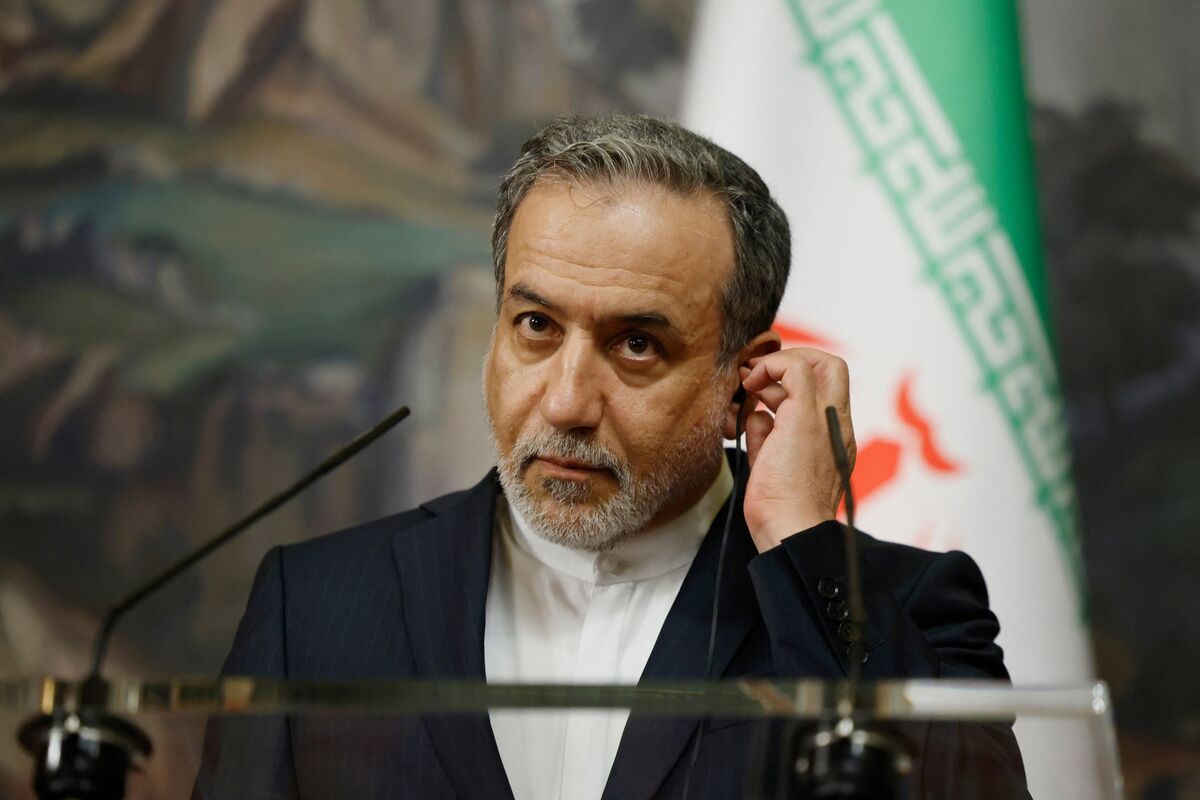
Iran and the U.S. have commenced a fifth round of nuclear talks in Rome, mediated by Oman, according to the Iranian Students’ News Agency. The Iranian delegation is led by Foreign Minister Abbas Araghchi, while the U.S. is represented by Middle East Special Envoy Steve Witkoff. These discussions represent continued efforts to revive the nuclear agreement, potentially impacting regional stability and global oil markets.
Iran and the United States have initiated a fifth round of nuclear negotiations in Rome, with Oman serving as a mediator, as reported by the Iranian Students’ News Agency. The discussions are led by high-level representatives: Iranian Foreign Minister Abbas Araghchi and US Middle East Special Envoy Steve Witkoff. These talks represent a continued effort to revive the nuclear agreement, an outcome which carries substantial implications for regional stability, particularly in the Middle East, and for global energy markets due to Iran's potential to increase oil exports if sanctions are lifted. The themes of "Geopolitics & War" and "Sanctions & Export Controls" are central to these negotiations. While the immediate sentiment regarding the commencement of this round is neutral (sentiment score 0.0), the associated market impact score of 0.4 suggests that market participants are attentive to potential developments that could meaningfully alter the current sanctions landscape and, consequently, global oil supply dynamics.
AI-powered research, real-time alerts, and portfolio analytics for institutional investors.
Request DemoOverall Sentiment
neutral
Sentiment Score
0.00
