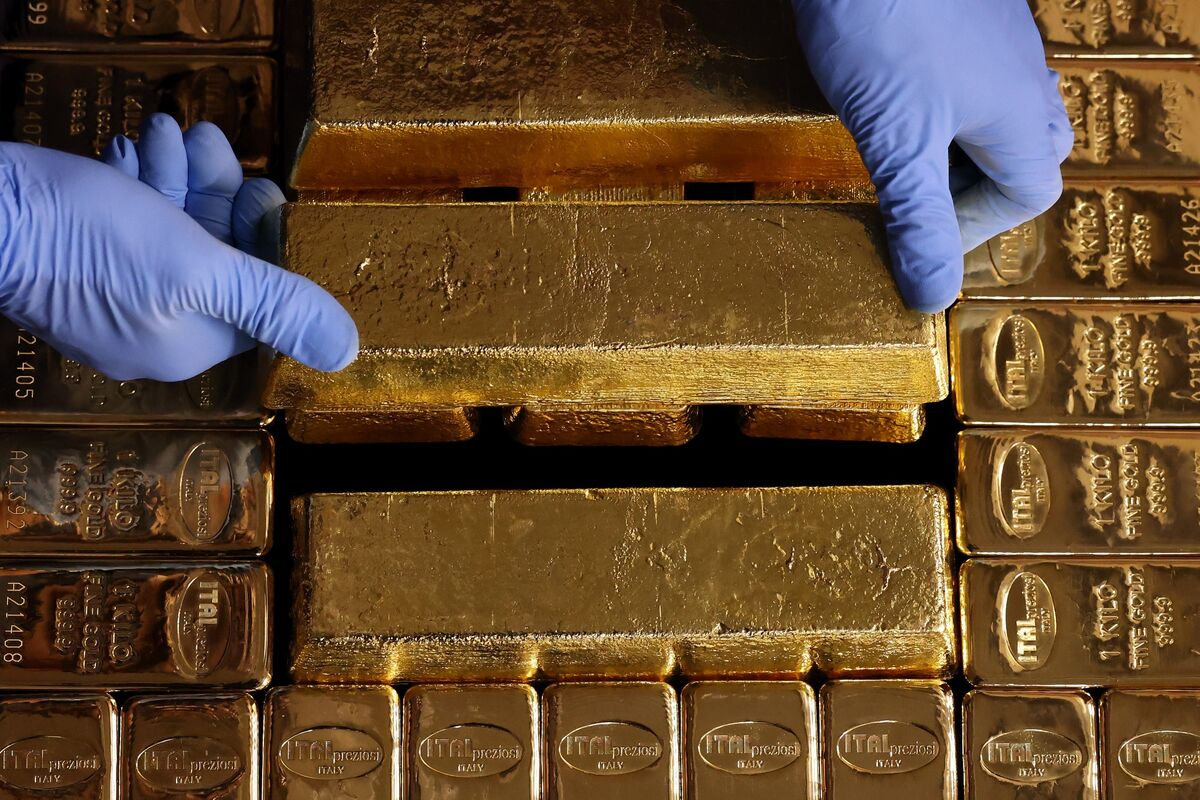
Booming gold prices in China are providing a temporary reprieve from the nation's deflationary pressures, with surging bullion costs significantly contributing to October's core inflation. The precious metal accounted for close to half or more of the 1.2% jump in the core index, according to Goldman Sachs and Shenwan Hongyuan, helping the broader consumer-price index exit a three-month period at or below zero and marking the fastest core inflation increase in nearly two years. This suggests that while headline inflation figures improved, underlying economic conditions may still face deflationary headwinds without the specific commodity's price surge.
China's core inflation recorded its fastest increase in almost two years last month, unexpectedly helping the broader consumer-price index end a three-month stretch at or below zero. This apparent stabilization in inflation metrics is significantly influenced by booming gold prices, which contributed close to half or more of the 1.2% jump in the core index in October, according to estimates from Goldman Sachs and Shenwan Hongyuan.
The surge in gold prices, traditionally an inflation hedge, is providing a temporary reprieve from China's underlying deflationary pressures. This suggests that while headline figures improved, the inflationary impulse is largely commodity-specific rather than indicative of robust domestic demand or organic economic recovery.
This dynamic implies a cautious outlook for China's economy, as the current inflation trend may not be sustainable without broader economic catalysts. The reliance on a single commodity's price appreciation to lift core inflation highlights persistent structural challenges in combating deflation, aligning with the overall 'mildly negative' sentiment and 'cautious' tone observed.
AI-powered research, real-time alerts, and portfolio analytics for institutional investors.
Overall Sentiment
mildly negative
Sentiment Score
-0.20
Ticker Sentiment
