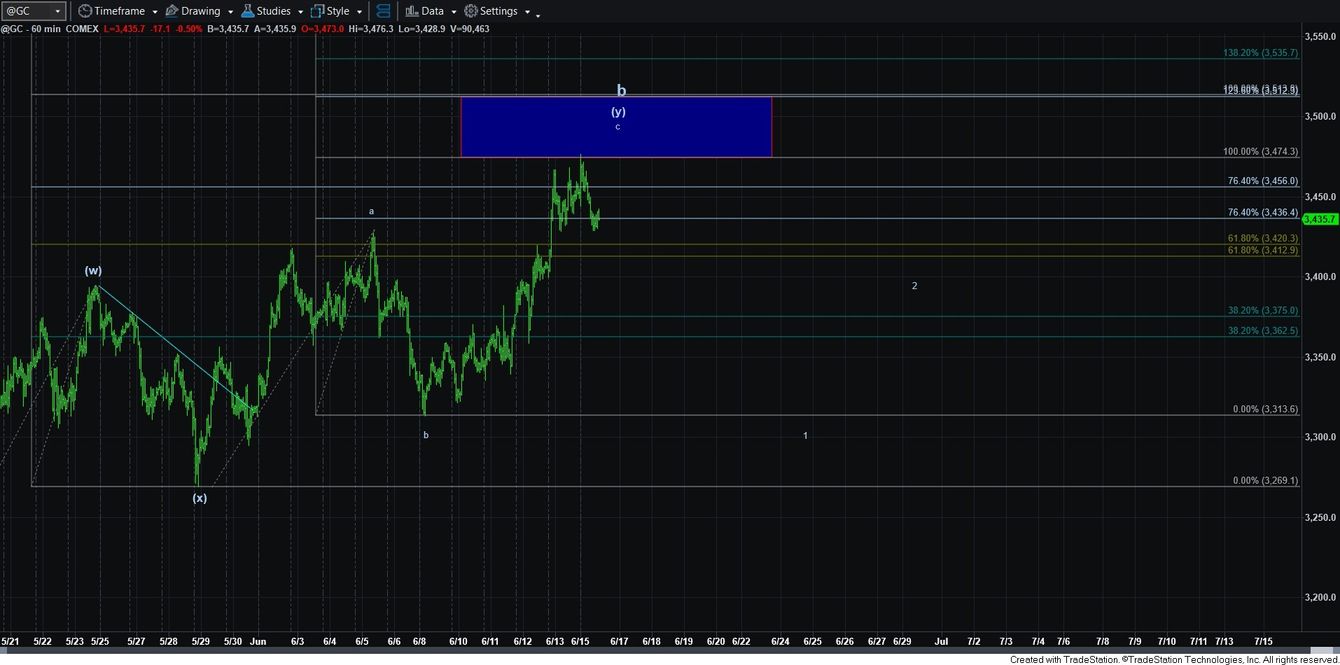
Gold prices unexpectedly declined last week despite escalating Middle East tensions, directly contradicting the common "mechanical paradigm" that assumes a direct correlation between geopolitical events and market movements. The article argues this outcome aligns with academic research indicating a weak link between news and market action, suggesting cognitive biases perpetuate the belief in news-driven causality. The author advocates for fractal-based analysis, such as Elliott Wave, which accurately predicted gold's recent downturn, advising investors to adopt independent, analytical approaches over traditional news-based strategies to identify more reliable market opportunities.
The recent decline in gold prices, occurring amidst an escalation in the Iran-Israel conflict, directly challenges the conventional market assumption that heightened geopolitical risk mechanically drives up safe-haven assets. The commentary argues this price action is not an anomaly but rather supports academic findings, such as the 1988 Cutler, Poterba, and Summers study, which concluded that macroeconomic and political news explains only a small fraction of market movements. Instead of news-based causality, the author advocates for a technical framework, specifically Elliott Wave analysis, citing a successful forecast where gold futures reversed from a predefined resistance zone around 3474 despite the bullish geopolitical narrative. Looking forward, the analysis anticipates a more significant price correction, which is expected to culminate in a buying opportunity, with a specific target level for the SPDR Gold Trust (GLD) cited in the 275 region.
AI-powered research, real-time alerts, and portfolio analytics for institutional investors.
Overall Sentiment
mildly positive
Sentiment Score
0.20
Ticker Sentiment
