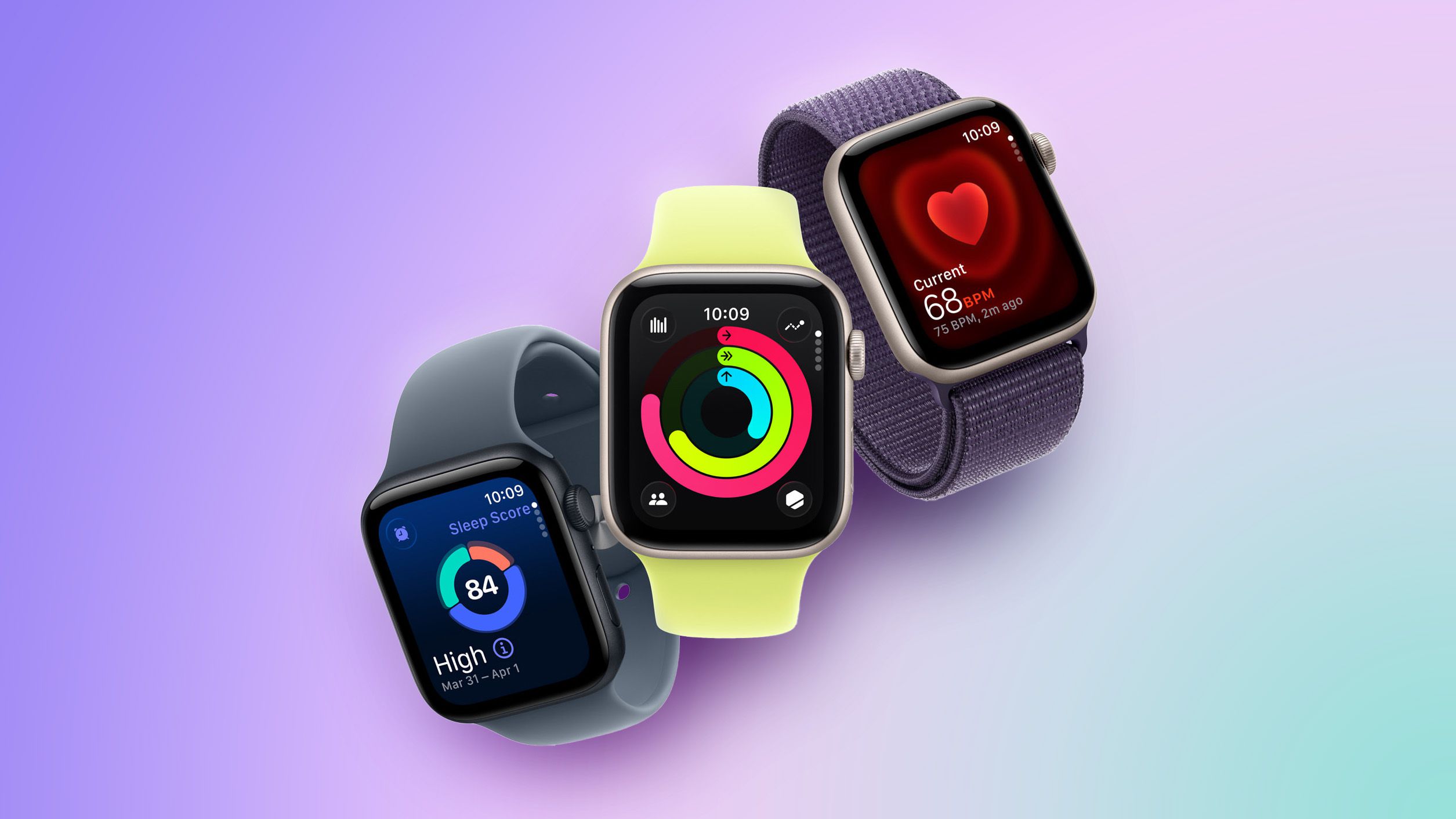
Apple expanded Education Store pricing to the Apple Watch, offering up to a 10% discount on Series 11, SE 3, and Ultra 3 in select markets including Australia, China, Hong Kong, Japan, Malaysia, Singapore, South Korea, Taiwan, Thailand, and Vietnam. In Australia, the Series 11 starts at $609 vs. $679 retail, the SE 3 at $369 vs. $399, and the Ultra 3 at $1,259 vs. $1,399. Apple also added the Watch to Education Store availability in France, Germany, India, Italy, Saudi Arabia, Spain, Turkey, and the UK, using UNiDAYS verification in several markets.
This is a quiet but meaningful expansion of Apple’s pricing funnel: the Watch is now being pulled into the same student/teacher discount engine that already conditions younger buyers to enter the ecosystem through lower-ticket hardware. The second-order effect is not immediate unit math; it is earlier account creation, higher attach probability to iPhone/Mac buyers, and better odds that first-time Watch users become recurring Services customers through fitness, payments, and notifications. Because the discount is modest, Apple preserves premium positioning while still creating a clear behavioral nudge at the point of purchase.
The most interesting implication is competitive rather than incremental revenue. A discounted Watch lowers the effective price of Apple’s ecosystem lock-in relative to generic wearables, which should pressure mid-tier Android-compatible watch vendors that compete primarily on value. If this is paired with institutional verification via UNiDAYS, Apple is also reducing friction in markets where education buyers are price sensitive but brand loyal, which tends to improve conversion without materially diluting the brand halo.
Near term, the stock reaction should be limited because the move is portfolio-level symbolic, not a material EPS event. Over 6-18 months, however, the data to watch is whether this increases Watch penetration among students enough to lift downstream Services ARPU and retention on a cohort basis; if so, the market may start to assign a higher lifetime value to entry-level hardware incentives. The main risk is that the promotion cannibalizes some full-price Watch demand in already-saturated markets, but the discount size suggests Apple is optimizing for conversion rather than margin erosion.
Consensus is likely underestimating how often Apple uses pricing architecture to seed future upgrade cycles rather than to drive current-quarter hardware revenue. The real upside is that a lower-friction first purchase can improve ecosystem stickiness before users become fully price-insensitive adults, which is exactly the kind of long-duration cohort effect the market misses until it shows up in Services durability. If the education offer broadens further, the competitive gap versus wearables-only vendors could widen more than headline unit growth implies.
AI-powered research, real-time alerts, and portfolio analytics for institutional investors.
Request DemoOverall Sentiment
mildly positive
Sentiment Score
0.25
Ticker Sentiment
