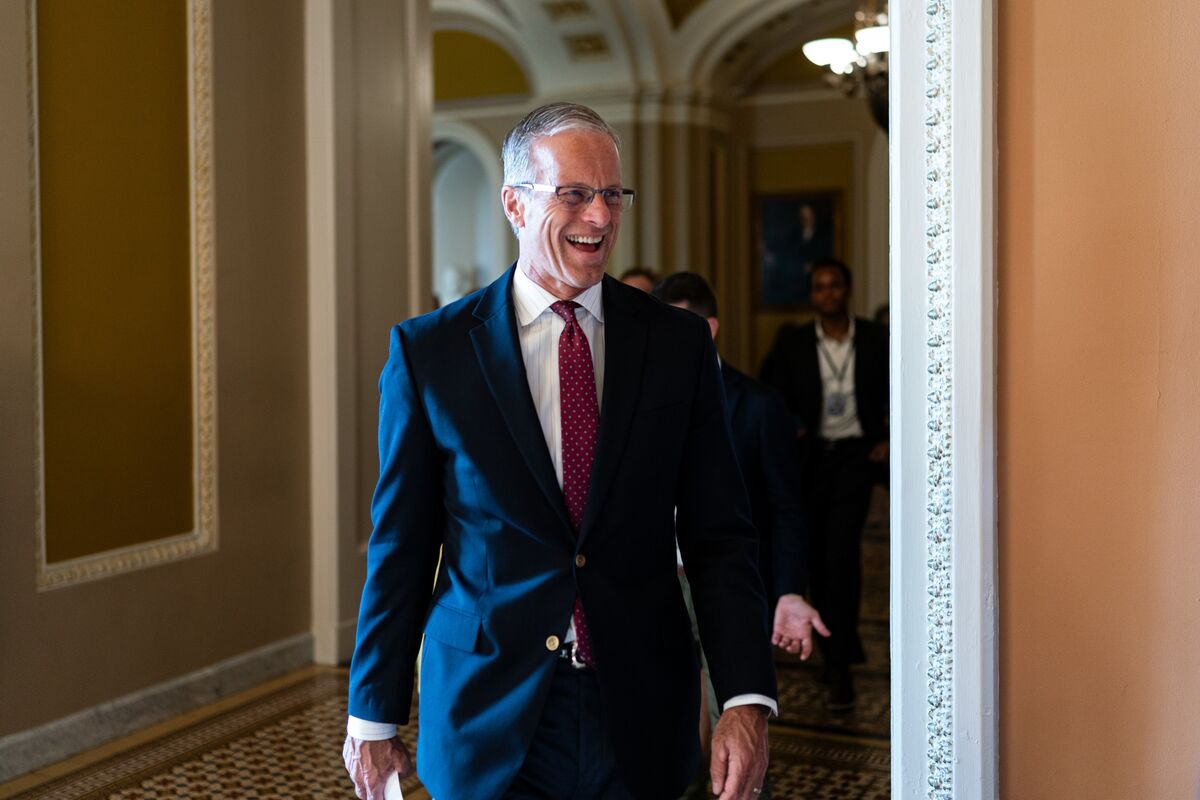
Senate Republicans, led by Majority Leader John Thune, are attempting an unprecedented parliamentary maneuver to mask $3.8 trillion in national debt within a new tax-and-spending bill, rather than actually reducing the red ink. This legislative effort aims to make permanent certain business tax breaks and extend multi-trillion-dollar tax cuts from the Trump administration, which largely benefited corporations and wealthy individuals. The proposed bill also seeks to scale back populist tax promises regarding tips and overtime, potentially impacting lower-income and disabled Americans.
Senate Republicans are advancing a tax-and-spending bill that utilizes an unconventional parliamentary maneuver to obscure an estimated $3.8 trillion in debt from official scoring, rather than reducing the actual fiscal imbalance. The core of the legislation is to make permanent the corporate tax cuts enacted during the Trump administration, a move that would primarily benefit businesses and high-net-worth individuals. This fiscal action is coupled with proposals to scale back tax relief on tips and overtime, which could negatively impact the disposable income of lower-earning households. The legislative strategy, described as unprecedented, signals a continued focus on supply-side tax policy but raises significant concerns about long-term fiscal sustainability and the distributional effects on the economy, as reflected in the strongly negative sentiment signal.
AI-powered research, real-time alerts, and portfolio analytics for institutional investors.
Request DemoOverall Sentiment
strongly negative
Sentiment Score
-0.65
