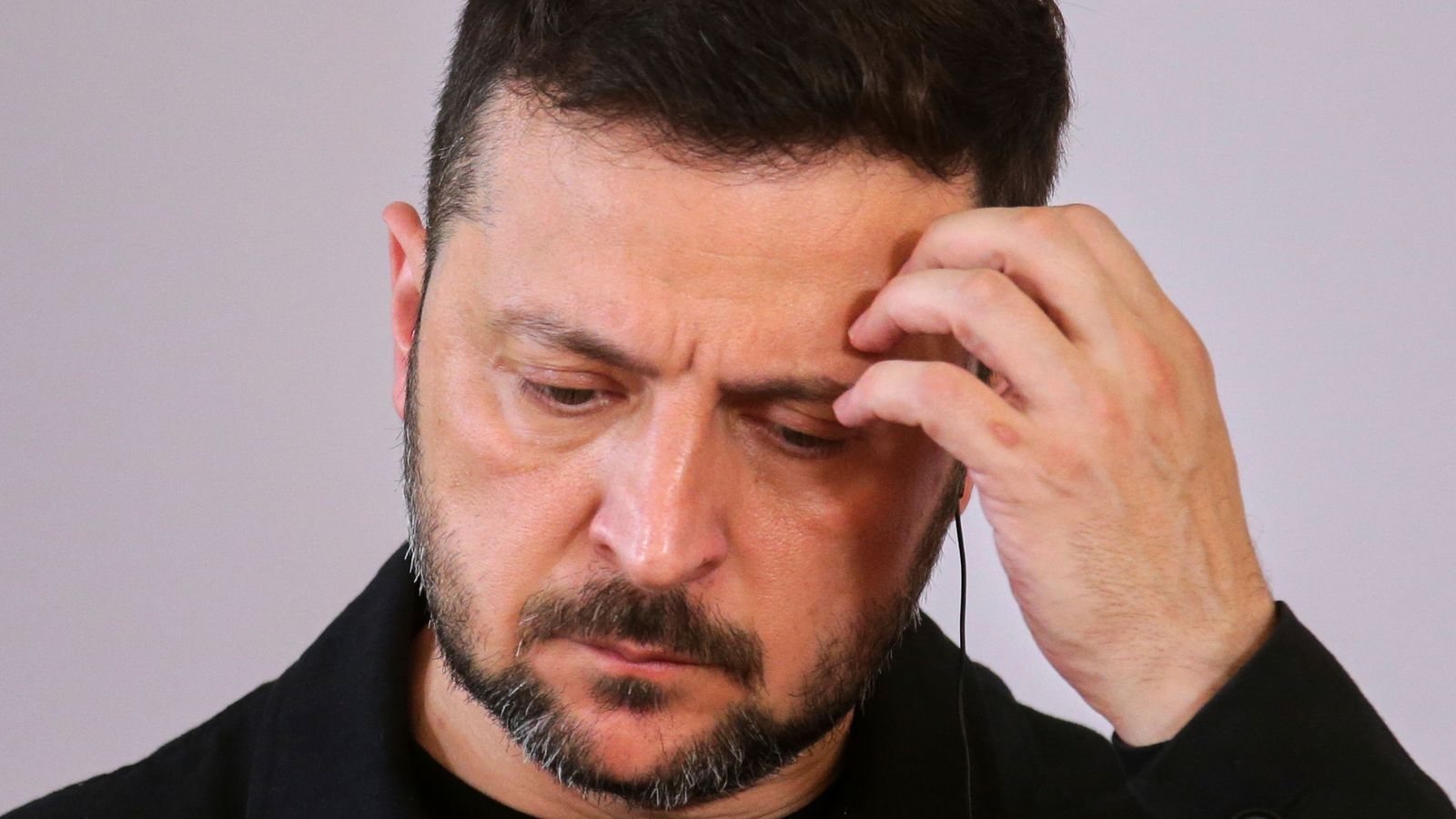
Former US deputy national security adviser KT McFarland described Donald Trump's negotiation style as unconventional, preferring direct engagement with principals to gauge possibilities before establishing a negotiating position, driven by a desire to "get the deal done." She applied this to the Ukraine conflict, asserting that it is a war of attrition Ukraine cannot win militarily, and a swift, agreed peace would enable Ukraine to "win the peace" by emerging as a strong nation in five years while Russia declines, signaling a potential shift in future U.S. foreign policy regarding international conflict resolution.
This report from former US deputy national security adviser KT McFarland outlines a potential foreign policy framework under a second Trump administration, characterized by an unconventional, principal-first negotiation style aimed at achieving rapid resolutions. McFarland's core assertion is that Donald Trump prioritizes direct engagement with counterparts to assess possibilities before defining a negotiating stance, a method she contrasts with the traditional staff-led process. Applying this to the war in Ukraine, she posits that the conflict is a war of attrition that Ukraine cannot win militarily, and therefore a swift, negotiated peace is the most favorable outcome. This perspective signals a potential major shift in U.S. policy, moving away from prolonged military support towards a transactional diplomatic push. Furthermore, McFarland projects a divergent economic future post-settlement, forecasting that Ukraine could emerge as a "powerful, strong country" attractive to investors within five years, while Russia's economic prospects would concurrently diminish.
AI-powered research, real-time alerts, and portfolio analytics for institutional investors.
Request DemoOverall Sentiment
mixed
Sentiment Score
0.00
