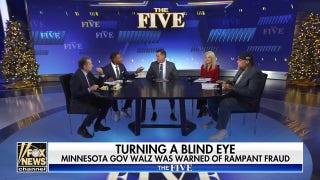
The U.S. Department of Health and Human Services has frozen all child care payments to Minnesota amid allegations that the state allowed fraudulent daycare centers to siphon millions in federal funds, prompted by a viral video exposing apparently non-operational facilities. HHS ordered future Administration for Children and Families payments nationwide to require receipts or photo evidence, demanded a comprehensive audit from Governor Tim Walz (including attendance records, licenses, complaints and inspections), launched a fraud hotline, and noted it provides roughly $185 million annually intended to assist about 19,000 children—raising risks to state-administered funding flows and potential legal and political fallout.
Market structure: The HHS freeze (Minnesota receives ~$185M/year) is an acute cash-flow shock to mostly small, state-dependent daycare operators and landlords in MN; larger, credit-rich national operators (e.g., Bright Horizons) and compliance vendors will capture share as closures/market exits accelerate over 3–12 months. Expect pricing power to drift toward accredited providers able to document attendance and billing; payor-side (state/federal) will insist on receipts, boosting recurring revenue for software and background-check vendors.
Risk assessment: Tail risks include federal roll‑out of strict receipt-based payments nationwide (low prob but high impact) that would raise sector compliance costs by 5–15% of revenue and force consolidation; another tail is aggressive clawbacks exposing state balance sheet and legal liabilities for operators. Immediate (days–weeks): liquidity stress for MN centers; short-term (months): audits, license revocations; long-term (1–3 years): structural consolidation and higher compliance CAPEX.
Trade implications: Direct winners are listed payroll/compliance and accredited care providers; losers are MN municipal credits and tiny private operators. Monitor MN 10‑yr GO spread vs MMD — a >20 bps widening is a sell signal for MN munis. Use call spreads on Bright Horizons (BFAM) and ADP/PAYX for compliance exposure and consider tactical protection on muni holdings.
Contrarian angles: Consensus frames this as purely political fraud; less obvious is re-allocation of federal childcare dollars to accredited national providers and tech-enabled operators, which could boost EBITDA margins 100–300 bps for winners over 12–24 months. Reaction may be underdone for listed consolidators and overdone for MN-specific muni credit where contagion is limited unless audits reveal systemic fraud beyond MN.
AI-powered research, real-time alerts, and portfolio analytics for institutional investors.
Request DemoOverall Sentiment
moderately negative
Sentiment Score
-0.45
