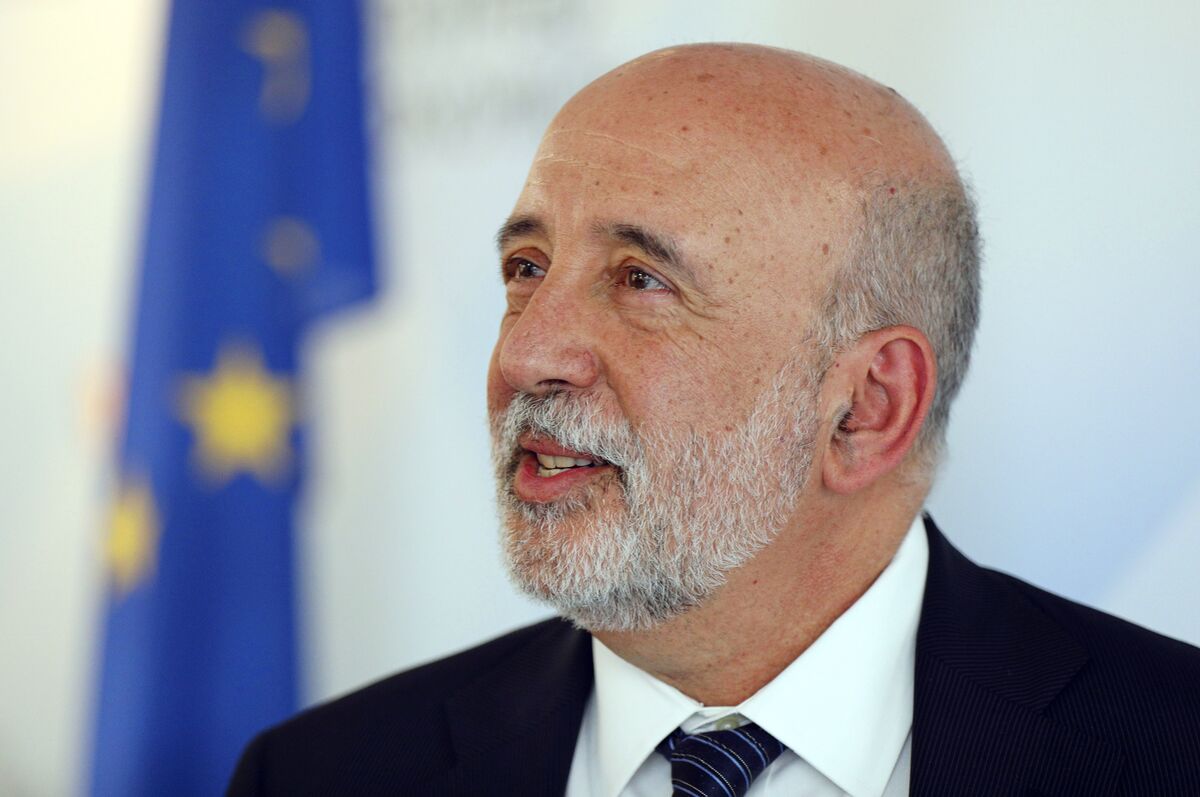
ECB Governing Council member Gabriel Makhlouf indicated the central bank is "near the bottom" of its interest-rate cutting cycle, signaling a potential deceleration or pause in further reductions. While acknowledging satisfaction with the current position, Makhlouf stressed that the path is not predetermined and requires close attention to economic developments, suggesting future policy remains data-dependent.
A hawkish signal has emerged from the European Central Bank, with Governing Council member Gabriel Makhlouf stating that the institution is "near the bottom" of its interest-rate reduction cycle. This commentary, flagged with a high market impact score of 0.65, suggests a potential deceleration or conclusion of the current monetary easing phase. While Makhlouf expressed satisfaction with the current policy stance, he crucially added that the path is not predetermined and requires close monitoring of economic developments. This indicates that while the bias has shifted away from further aggressive cuts, future policy will remain highly data-dependent, pivoting on incoming inflation and growth figures. The statement serves to manage market expectations, cautioning against pricing in a prolonged series of rate cuts and signaling a potential floor for the policy rate.
AI-powered research, real-time alerts, and portfolio analytics for institutional investors.
Request DemoOverall Sentiment
mildly positive
Sentiment Score
0.15
