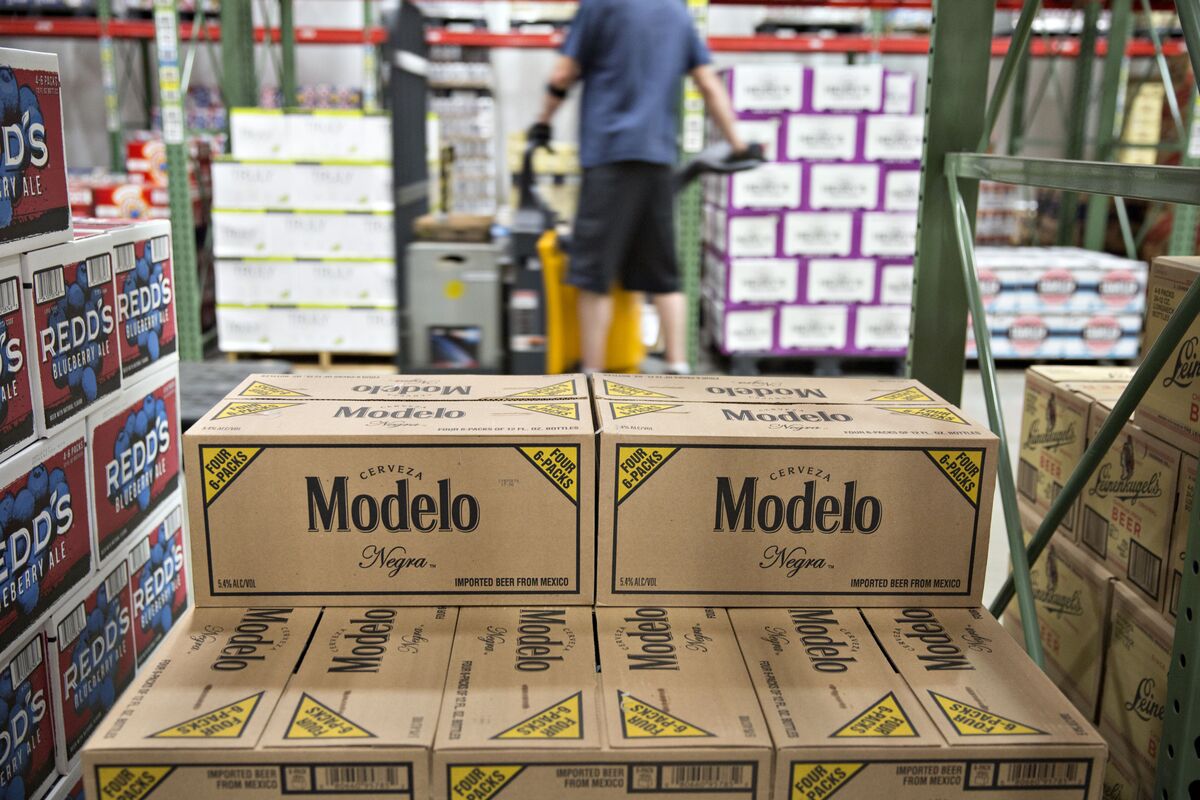
Constellation Brands projects organic beer sales of down 1% to up 1% for the year, missing analysts' +2.2% consensus and signaling softer-than-expected demand. The muted guidance raises concern that declines in alcohol consumption have not yet bottomed and could weigh on Constellation's beer segment results and share performance.
A softer beer volume backdrop is feeding two simultaneous margin pressures: weaker unit demand forces higher trade spend to defend shelf and draft presence, while mix shifts toward premium SKUs can mask volume declines but leave dollar growth fragile if promotional intensity rises. Distribution economics amplify the effect — regional wholesalers operate with largely fixed route and warehousing costs, so a mid-single-digit volume drop translates to outsized margin pressure at the retail/distributor layer before it shows up in brewer P&L. Expect sell-side models to move from volume-led growth to mix/price sensitivity over the next 3–12 months, which will re-rate multiples on beer-centric businesses faster than on diversified beverage platforms.
Second-order winners include higher-margin global spirits and diversified consumer staples that can absorb trade spend without steep margin hits; these companies also benefit from consumer substitution toward cocktails and RTD spirits. Losers extend beyond brewers: canmakers, hop/barley processors, and on-premise suppliers face demand contraction, and private-label/value beer brands could pick up share — pressuring branded price realization. Strategically, larger brewers with cash can buy share via distribution deals, intensifying short-term volume headwinds for midsize players.
Key catalysts and risk windows are immediate (weeks–months): upcoming summer sports/weather, distributor inventory reads, and Q2 POS data will determine whether this is a temporary cyclical trough or the start of secular downshift. Reversals can happen if companies aggressively cut MSRP/promotional elasticity or if macro employment trends improve; conversely, persistent wage pressure or higher excise taxes would cement declines. Watch options-implied volatility into earnings and trade-spend cadence disclosed during quarterly calls as high-conviction short-term signals.
Trading posture should be defensive and event-driven: favor asymmetric option structures or pairs that isolate beer-volume exposure while avoiding outright commodity/gross-margin bets. Position sizing should reflect concentrated distributor risk and a higher-than-normal chance of sharp short-term mean reversion driven by seasonal demand and promotional campaigns.
AI-powered research, real-time alerts, and portfolio analytics for institutional investors.
Request DemoOverall Sentiment
mildly negative
Sentiment Score
-0.30
Ticker Sentiment
