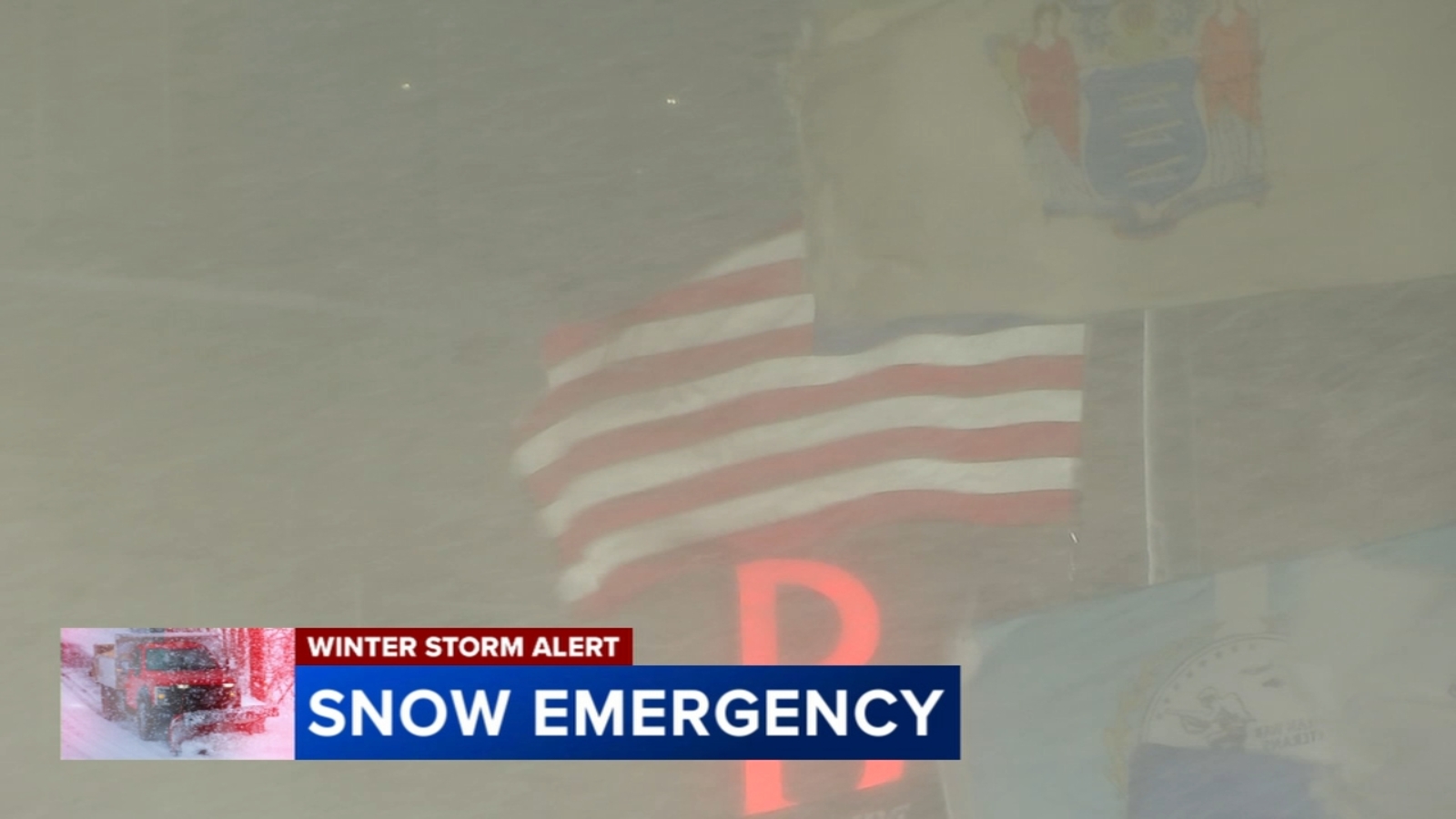
A nor'easter struck the Philadelphia metro and Atlantic City on Feb. 23, 2026, bringing heavy snow, high winds and localized damage (fallen trees) that prompted NJ to issue a travel ban and led SEPTA to make service adjustments while municipal snowplows worked to clear streets. The event is producing near-term disruptions to commuting, local commerce and transport logistics, but the impacts are geographically concentrated and transitory with negligible systemic financial implications.
Market structure: Near-term winners are Northeast heating/gas suppliers (spot natural gas, ticker exposure via UNG or short-dated NG futures) and last-mile e-commerce logistics (AMZN, UPS) that capture rerouted demand; losers are regional travel/leisure (JETS ETF, MGM, PENN) and airlines (AAL, UAL, DAL) facing 24–72 hour cancellations. Pricing power: parcel carriers can sustain higher short-term yield (fuel surcharges) while jet-fuel demand shock depresses spot jet/ULSD and exerts modest downward pressure on crude for 1–2 weeks. Cross-asset: expect NG futures +5–10% over 7–14 days, airline implied vol to rise 20–50% weeklies, slight widening of Northeast muni spreads if prolonged closures occur.
Risk assessment: Tail risks include a multi-day grid failure or infrastructure collapse in NJ/PA producing >$500M–$1B insured losses and regulatory scrutiny of utilities over 30–180 days. Time horizons: immediate = hours–days (flight/rail shutdowns), short = 1–4 weeks (delivery backlogs, NG mean-reversion), long = quarters (insurance loss realization, municipal revenue effects). Hidden dependencies: grocery/inventory stockouts causing retail reorder spikes, deferred medical/non-emergency economic activity, and knock-on workers’ comp claims. Catalysts to watch: NWS forecast revisions (24–72h), state travel bans, utility outage reports, and weekly storage/NatGas print.
Trade implications: Direct: buy 1–2 week UNG call/long futures targeting +5–10% (exit on +10% or after 14 days); buy weekly ATM puts on JETS or AAL sized 1–2% portfolio to capture 3–8% downside from cancellations; short MGM/PENN for 1–3 weeks on expected Atlantic City footfall drop. Pairs: long AMZN (2–3% weight) vs short MGM (1–1.5%) for 2–6 week relative recovery; use put spreads to cap premium on airline shorts. Entry/exit: enter within 24 hours while IV elevated, exit on recovery of operations or IV reversion; set stop-losses at 30% of premium paid.
AI-powered research, real-time alerts, and portfolio analytics for institutional investors.
Request DemoOverall Sentiment
mildly negative
Sentiment Score
-0.30
Contrarian angles: Consensus will treat this as structural decline for airlines and leisure; history (2018–2021 Nor’easters) shows airline revenue dips are concentrated and typically recover within 2–6 weeks — favors short-dated option plays not multi-month shorts. Markets may oversell regional casinos (PENN, MGM) despite quick catch-up on good weather; consider covered-call entries 4–8 weeks out. If NG fails to move +5% in 7 days, unwind — short squeeze risk is limited and mean reversion is common.
