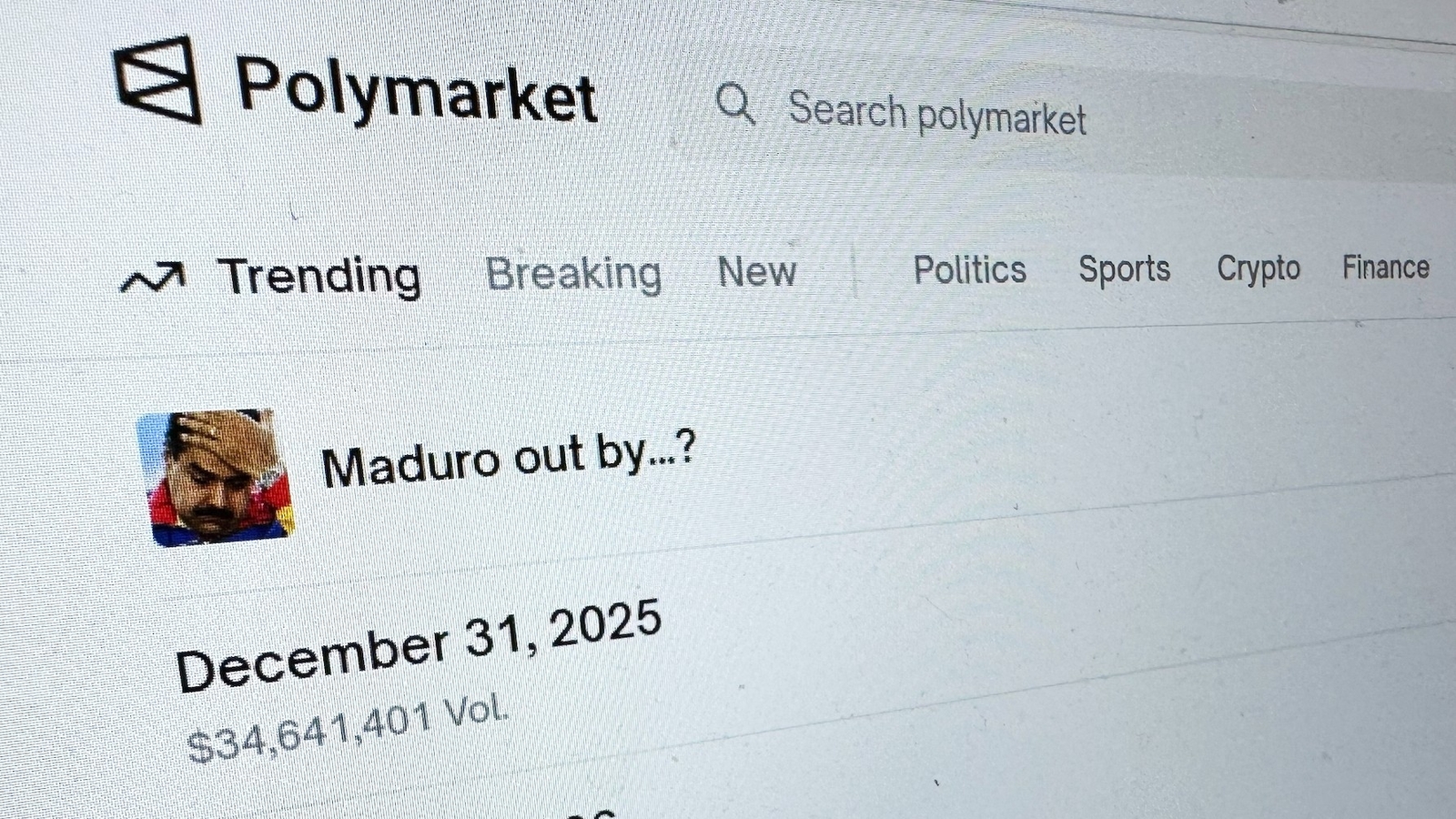
A U.S. special forces soldier was charged with using classified information from the Maduro capture operation to generate more than $404,000 in profits on Polymarket, with an additional $5,000+ from related Venezuela contracts. The Justice Department and CFTC brought parallel cases alleging fraud, unlawful use of government information, and commodities violations, while Polymarket said it cooperated with regulators and banned insider trading. The case heightens scrutiny of prediction markets and could reinforce tighter oversight of crypto-linked wagering platforms.
This is less a one-off crime story than a regime-change event for prediction markets: the industry’s core value proposition is being stress-tested on the exact dimension that matters most to regulators and counterparties — information integrity. The immediate loser is not just the venue involved, but any platform whose volume depends on binary geopolitical and policy contracts, because institutional users will now price in a higher probability of surveillance, delayed withdrawals, tighter KYC, and ad hoc contract reviews. That usually compresses take rates first and, with a lag, depresses open interest as retail participants migrate to cleaner venues or lower-volatility markets.
The second-order effect is on product mix. The contracts most exposed are event markets tied to military action, sanctions, elections, and ceasefires — i.e., the segments with the highest headline volume but also the greatest regulatory torque. Expect a two-step response over the next 1-3 months: exchanges will either self-censor the most liquid political books or push them into thinner, less monetizable formats; either outcome lowers growth assumptions for the category and may narrow the dispersion between winners like broad-based fintech rails and niche prediction-market names.
For defense and security budgets, the trade implication is counterintuitive: this is mildly positive for compliance, monitoring, and cyber/information-security vendors because it validates the need for audit trails across sensitive communications and trading endpoints. The larger macro signal is political risk around U.S. policy credibility; if markets believe privileged actors can arbitrage classified events, that raises the discount rate on future headline-driven contracts and increases the probability of restrictive rulemaking over the next 6-12 months.
The consensus may overestimate the permanence of the shock. Retail scandal headlines usually fade quickly, but what matters here is whether DOJ/CFTC use this case to build a broader enforcement framework. If they do, the pain shifts from reputational to structural; if not, the current selloff in the sector could mean-revert within weeks as volumes normalize after the initial deterrence effect.
AI-powered research, real-time alerts, and portfolio analytics for institutional investors.
Request TrialOverall Sentiment
strongly negative
Sentiment Score
-0.55
