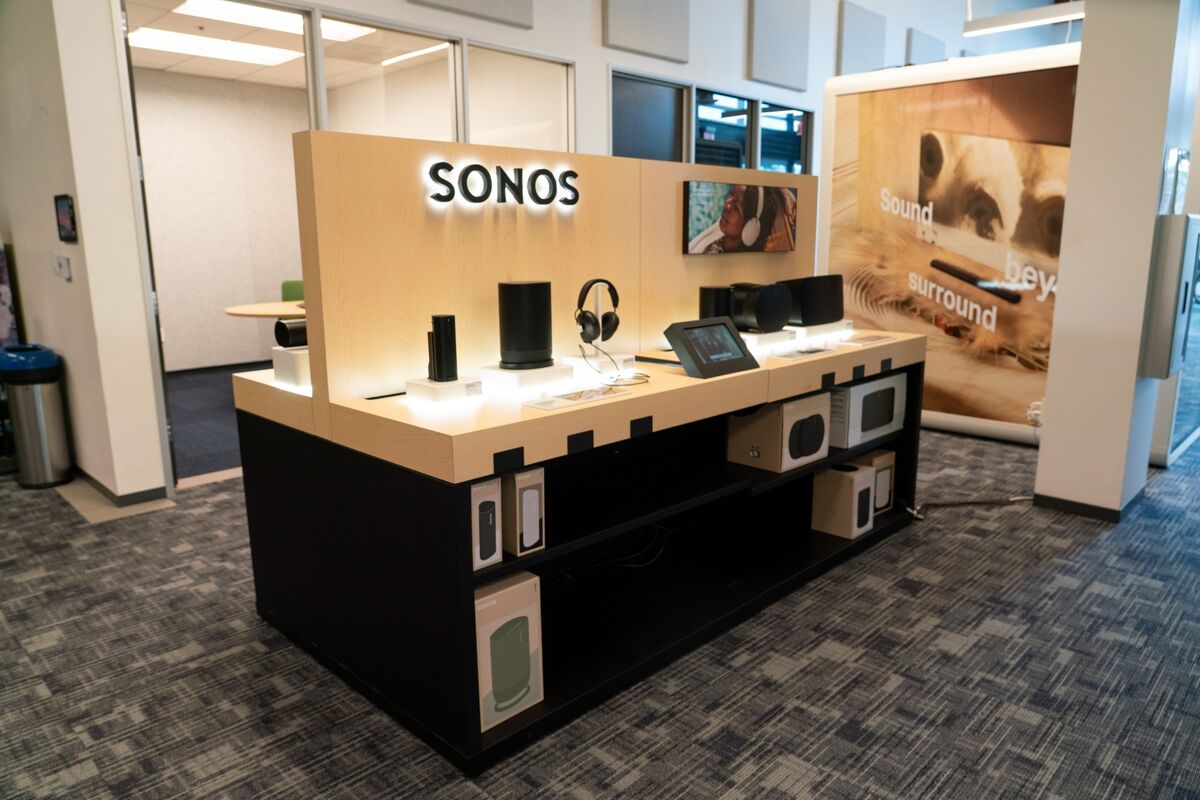
Sonos cut 3% of staff across its user experience, product and design teams as it works to streamline the organization and operate more efficiently. The layoffs follow an earlier round in April that eliminated numerous marketing positions, signaling continued restructuring pressure at the company. The move is negative for sentiment, though the market impact is likely limited to Sonos shares.
This is a classic late-cycle cost action that usually reads better on the income statement than it does on the product roadmap. Cutting user experience and product design teams in a consumer hardware business often saves relatively little in the near term but raises the probability of slower refresh cycles, weaker differentiation, and more incremental product launches over the next 2-4 quarters. That matters because in mature hardware categories, execution quality is one of the few durable levers left once pricing and channel saturation intensify. The second-order issue is morale and retention: repeated layoffs in adjacent functions tend to create a talent-flight risk among the remaining senior designers and product managers, which can be more damaging than the headcount reduction itself. If the company is still trying to defend premium pricing, any perception that innovation is being outsourced to cost discipline can compress brand multiple faster than the actual EPS benefit from restructuring. Competitors with stronger ecosystems and deeper software/service attach rates should gain share opportunistically if Sonos' launch cadence slips. On timing, the bearish setup is mostly a months-long fundamental story rather than a one-day event. The near-term upside case would require evidence that this is a genuine operating reset rather than serial triage: stable gross margins, fewer restructuring charges, and visible product wins over the next two earnings cycles. Absent that, the market is likely to price this as a sign management is protecting the P&L because demand or pipeline quality is not strong enough to absorb fixed costs. The contrarian angle is that repeated cuts can finally force the organization to become lean enough to protect free cash flow, which could put a floor under the equity if the balance sheet is clean and the company avoids further strategic drift. But that only works if the next product cycle lands well; otherwise, the market will treat the savings as defensive, not value-creating. In that setup, any rally on "efficiency" headlines is likely fadeable.
AI-powered research, real-time alerts, and portfolio analytics for institutional investors.
Request DemoOverall Sentiment
strongly negative
Sentiment Score
-0.45
Ticker Sentiment
