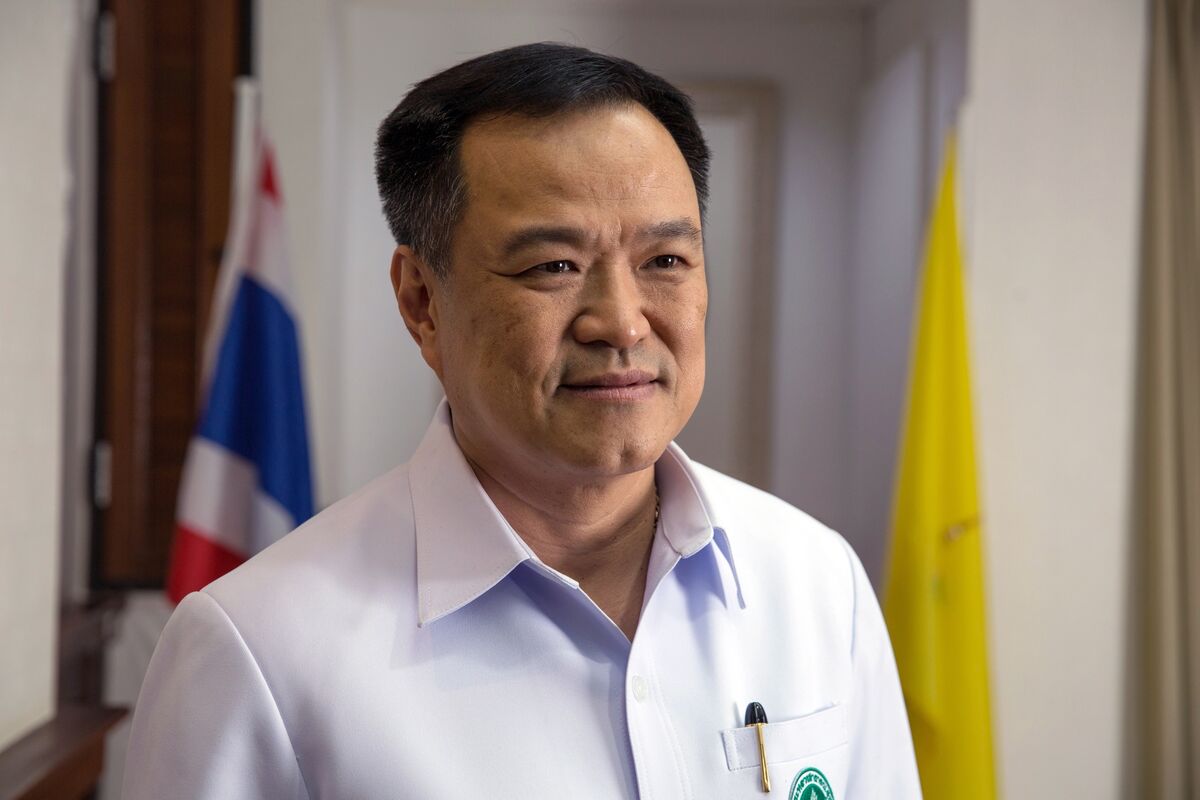
Thailand's largest political party, the People's Party, has announced its support for conservative politician Anutin Charnvirakul as the next Prime Minister, a move aimed at resolving the ongoing political deadlock following the recent ethics-related dismissal of Paetongtarn Shinawatra. While backing Anutin's premiership, the party stated it will not join his government and is concurrently demanding new elections, signaling persistent political fragmentation despite a potential resolution to the immediate leadership vacuum.
The Thai political landscape is experiencing a temporary stabilization as the largest political entity, the People’s Party, has agreed to back conservative politician Anutin Charnvirakul for Prime Minister. This move is a direct attempt to end the political deadlock following the dismissal of former PM Paetongtarn Shinawatra. However, this support is highly conditional and signals continued underlying instability. The People's Party has explicitly stated it will not join the government coalition and is concurrently demanding new elections. This arrangement suggests any government formed will be inherently fragile, likely serving as a caretaker administration with limited capacity for significant policy implementation. For investors, this reduces immediate tail risk of a prolonged leadership vacuum but introduces the medium-term risk of another election cycle and persistent political fragmentation, which could hamper economic reforms and deter long-term capital allocation.
AI-powered research, real-time alerts, and portfolio analytics for institutional investors.
Request DemoOverall Sentiment
mixed
Sentiment Score
0.10
