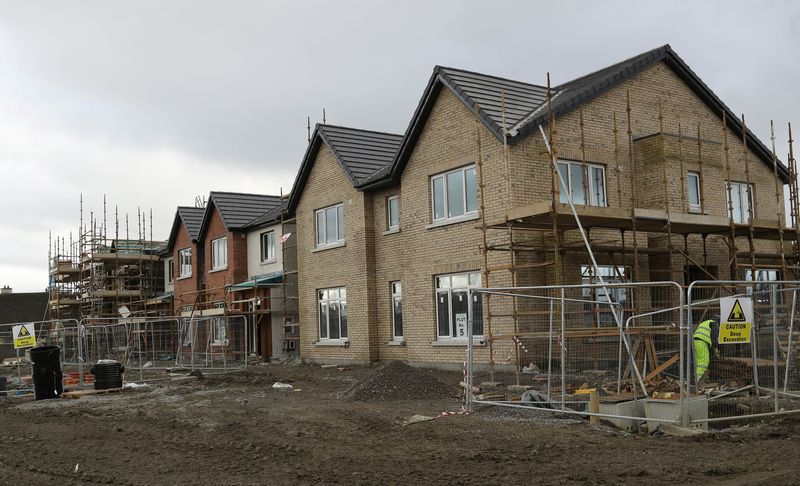
Bernstein says mortgage rates need to fall below roughly 5%–5.5% to materially revive housing transactions and large discretionary home-improvement spending. Elevated mortgage rates, higher home prices and a pandemic-era "lock-in" of ultra-low mortgages have reduced housing turnover and kept renovation demand muted, while rising materials and labor costs have pushed median project costs sharply higher. Bernstein expects a gradual recovery only as financial conditions ease and housing activity picks up.
The housing-remodeling cycle is best viewed as a transaction-driven amplifier: a small percentage lift in household moves produces outsized demand for specialty goods and contractor services for a concentrated period. That implies lumpy revenues for retailers and suppliers rather than a smooth recovery—expect sequential outperformance in months following localized transaction rebounds (3–9 months) and muted prints otherwise.
Competitive dynamics will bifurcate between scale players with broad DIY exposure and niche vendors reliant on big-ticket discretionary projects. Large chains that own national logistics and private-label margins can weather lower volumes and capture share from regional distributors that face fixed-cost leverage and working-capital stress; upstream producers with commodity passthrough mechanisms will see spread compression if volumes stall.
Key catalysts to monitor are market-rate-driven refinancing/activity, localized inventory cycles at retail and distributor levels, and policy incentives for energy retrofits which can re-price currently discretionary projects into necessity. Tail risks include a material labor-cost reacceleration or a segmented credit squeeze for unsecured home-improvement lending—either would delay recovery by quarters to years depending on severity.
Given the expected gradual nature of the rebound, positioning should favor optionality and pair trades that monetize dispersion across the value chain rather than broad long consumer exposure. Timeframes matter: rate-driven signals can change the backdrop in weeks; structural demand normalization will play out over multiple quarters and can be amplified or reversed by fiscal policy moves.
AI-powered research, real-time alerts, and portfolio analytics for institutional investors.
Request DemoOverall Sentiment
mildly negative
Sentiment Score
-0.15
Ticker Sentiment
