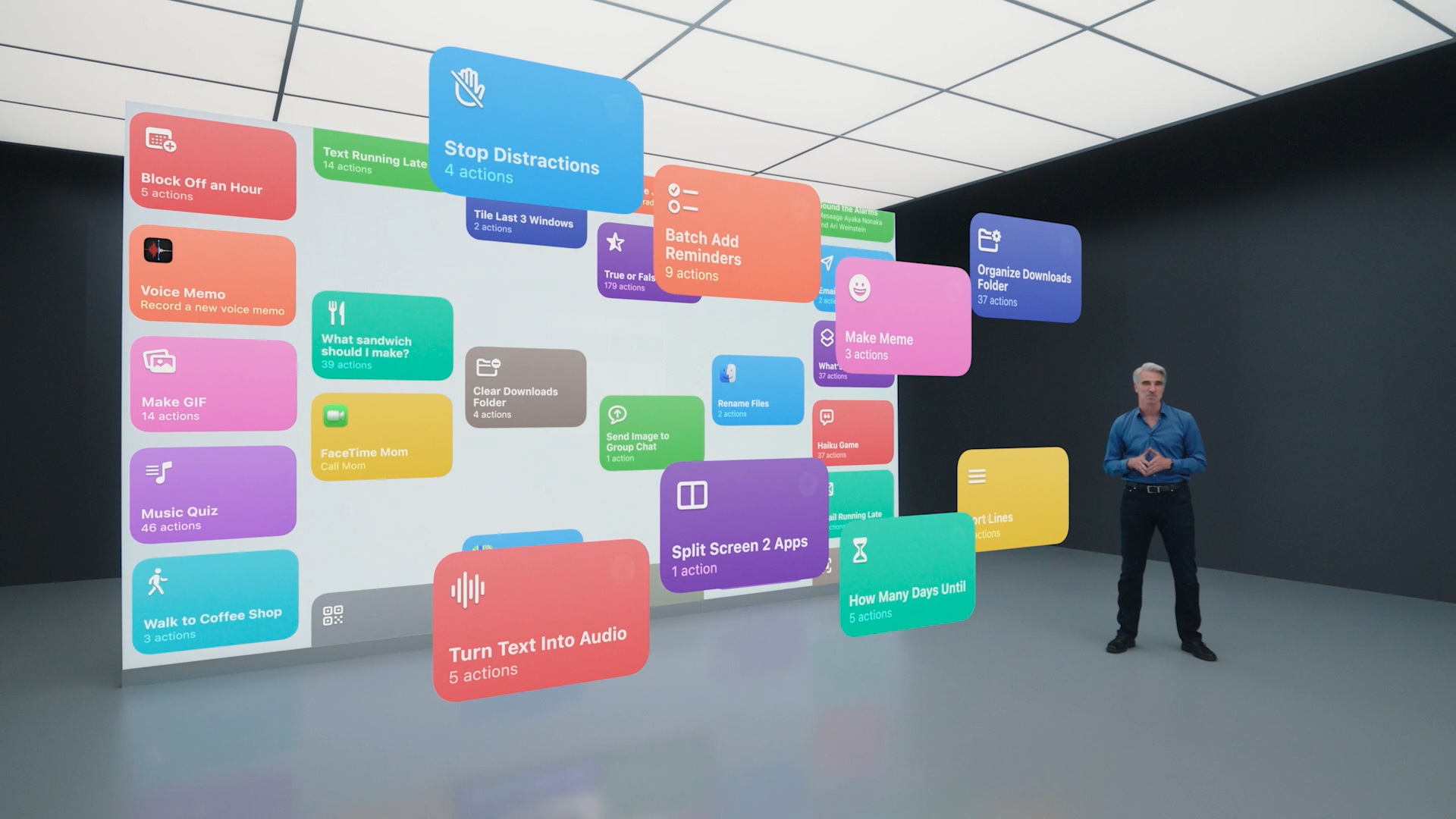
Apple’s iOS 27 is reported to add AI-powered Shortcuts creation, letting users build automations with natural-language prompts instead of manually assembling steps. The upgrade could materially lower the barrier to entry for one of the iPhone’s most capable but complex features, though Bloomberg says the AI tools are still being tested and Siri’s AI features remain in beta. The news is supportive for Apple’s AI and software narrative but is unlikely to move the stock meaningfully on its own.
The investable read-through is less about near-term revenue and more about Apple turning an underused OS feature into a higher-frequency engagement layer. If users can create automations in natural language, the marginal value of iPhone ownership rises because the device becomes a task-completion interface rather than just a content consumption endpoint. That is structurally positive for AAPL’s ecosystem lock-in and, second-order, for services monetization through higher usage intensity, even if direct monetization is initially indirect.
The bigger competitive implication is for app-layer software and lightweight automation vendors. AI-generated workflows compress the learning curve that has historically protected niche productivity apps, while also reducing the need for third-party tutorial ecosystems and template marketplaces. Over 6-18 months, this could shift consumer behavior toward fewer standalone utility downloads and more OS-native workflow creation, which is a negative for smaller software names and a mixed outcome for app developers that relied on integration complexity as a moat.
The key risk is execution quality: an automation assistant that is even modestly unreliable will create disappointment faster than it creates adoption because users will implicitly expect deterministic behavior. That makes this a two-stage catalyst: initial enthusiasm around WWDC-style product framing, then a much more important validation period over the following quarters as Apple either proves the feature works at scale or quietly de-emphasizes it. If Apple’s broader AI stack remains labeled as experimental, the market may discount this as another promise rather than a monetizable upgrade.
Contrarian view: the Street may be underestimating how much this matters for retention rather than headline AI capabilities. A feature that saves users 30-60 seconds multiple times per day can have a larger stickiness effect than flashier generative features, especially on a mature hardware base where incremental utility drives upgrade propensity. That said, upside is probably capped unless Apple pairs this with a visible developer framework that lets third parties surface AI-generated actions inside their own apps.
AI-powered research, real-time alerts, and portfolio analytics for institutional investors.
Request DemoOverall Sentiment
mildly positive
Sentiment Score
0.45
Ticker Sentiment
