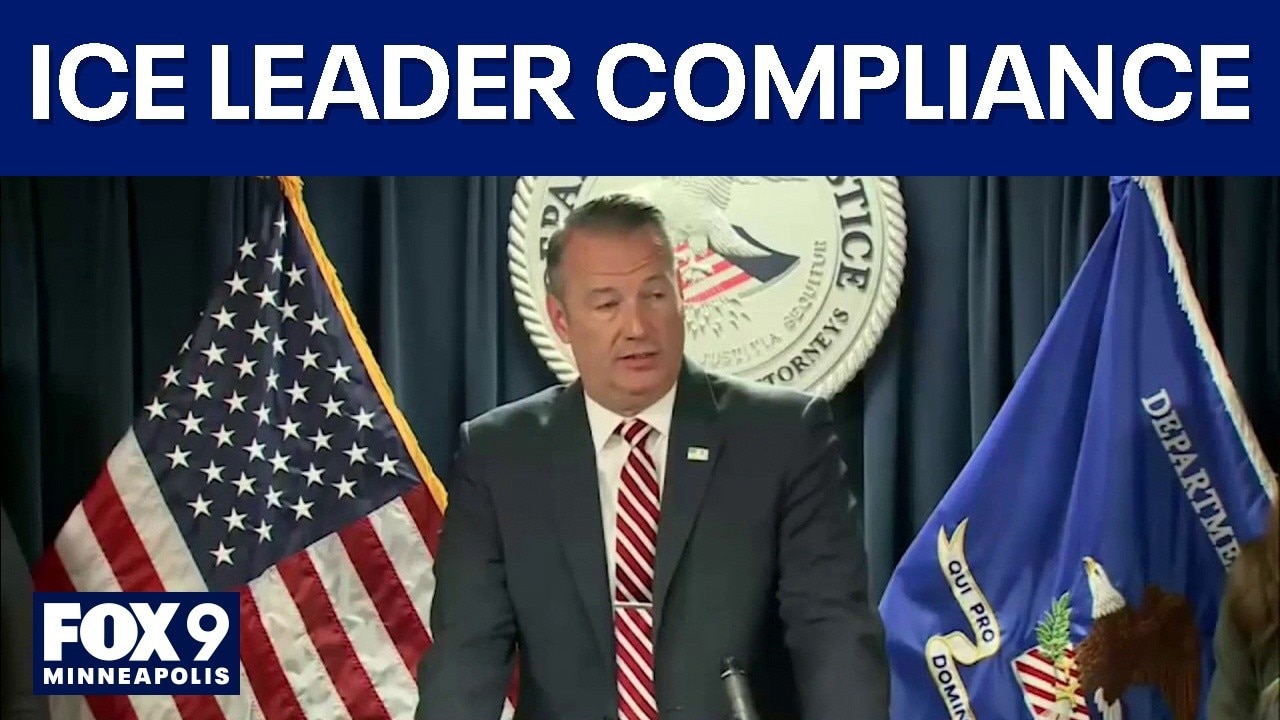
U.S. District Judge Patrick Schiltz found that ICE violated at least 96 court orders across 74 cases in January, a likely undercount, amid a surge of nearly 500 habeas petitions so far this year tied to Operation Metro Surge. Federal judges have criticized ICE for transferring detainees out of state and failing to comply with immediate-release or bond-hearing orders, prompting deadlines, potential contempt proceedings and acknowledgement from the U.S. Attorney’s office that civil resources are overwhelmed; DHS reports about 3,000 arrests in the operation. The developments represent rising legal and operational risk for federal immigration enforcement with political ramifications but are unlikely to have material direct impact on financial markets.
MARKET STRUCTURE: The immediate winners are plaintiffs’ counsel, legal services and NGOs (higher demand for habeas representation) and short-term liquidity providers to municipal/state court systems; losers are private detention providers (GEO, CXW) and transportation contractors that rely on ICE occupancy guarantees. If courts continue to force immediate releases or block out-of-state transfers, occupancy-linked revenues could decline by a low-double-digit percent within 1–3 quarters given current surge in habeas filings (500 YTD, pace to double 2025). Cross-asset effects are muted but expect idiosyncratic credit spread widening for issuers with ICE revenue exposure and modest volatility in USD/GS11y on fiscal/contingent liability headlines.
RISK ASSESSMENT: Tail risks include court-imposed sanctions, injunctions halting transfers, or a finding of contempt that triggers operational freezes — each could remove 5–15% of contractor revenue practically overnight. Timeline: immediate (days) for specific releases and headlines; short-term (weeks–months) for occupancy/cash-flow impacts; long-term (quarters) for contract renegotiation or Congressional oversight altering payment structures. Hidden dependencies: many contracts include minimum-occupancy clauses and government indemnities — arbitration outcomes could transfer losses to the government but with long lag and litigation cost.
TRADE IMPLICATIONS: Direct trade: short GEO (GEO) and CoreCivic (CXW) via 3–6 month puts sized 1.5–2% portfolio each, targeting 15–30% downside if occupancy falls >5% QoQ. Pair trade: short GEO/CXW, long defense prime Lockheed (LMT, 1–2% long) as a defensive, government-spend-exposed hedge. Options: buy 6-month puts (25% OTM) on GEO/CXW and avoid selling premium until court developments stabilize; set stop-loss at 30% of premium.
CONTRARIAN ANGLES: Consensus stresses political theater; markets underprice contract/legal drag and occupancy covenant risk. Reaction may be underdone for private detention equities because litigation velocity (500+ habeas filings and rapidly increasing transfer delays) is non-linear — a 10% occupancy shock could translate to 20–40% EPS hit given high fixed costs. Watch for unexpected outcomes: a government bailout or contract repricing could sharply reverse shorts, so catalyst-driven sizing discipline is critical.
AI-powered research, real-time alerts, and portfolio analytics for institutional investors.
Request DemoOverall Sentiment
mildly negative
Sentiment Score
-0.30
