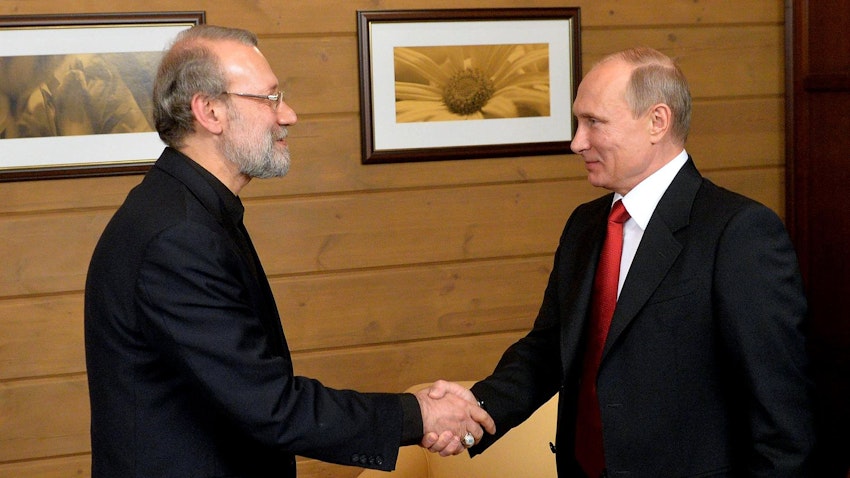
Russia has opened a diplomatic pathway that could facilitate de‑escalation between Iran and Israel, lowering the immediate risk of a wider regional confrontation. For markets, this reduces a key geopolitical risk premium — potentially tempering oil upside, easing safe‑haven flows and improving sentiment toward emerging‑market assets — though tangible market moves will depend on confirmation and sustained reduction in hostilities.
Market structure: A credible de‑escalation path reduces tail premia on oil and regional risk, benefiting EM equities, airlines and travel names while compressing energy and defense risk premia. Expect Brent upside risk to recede by $3–7/bbl over 2–6 weeks if incidents cease, putting 1–3% headwind on majors (XOM, CVX) and 2–5% upside for regional equity indices (Israel, GCC, EM). FX and rates: lower safe‑haven demand should lift EM FX by 1–4% and put ~10–25bp upward pressure on 10yr UST yields in the near term as risk‑on flows resume.
Risk assessment: Tail scenarios include a rapid Iran proxy strike or US escalation that would reverse moves within days — probability low but impact extreme (oil spike >$15/bbl, EM selloff >10%). Time horizons: immediate (days): sentiment swings and intraday vols; short (weeks/months): reallocation into cyclicals and EM; long (quarters): sustained geopolitical détente could reprice long‑dated energy capex and defense spend. Hidden dependencies: shipping insurance, Gulf chokepoints, and Turkey/Russia diplomatic interplay can reintroduce shocks; monitor tanker flows and IHS/Refinitiv AIS data for early signs.
Trade implications: Favor tactical long EM and travel exposure, trim energy and defense cyclicals. Specific structures: buy 3‑month EEM call spread to capture 3–6% regional rally; hedge with 3‑month SPX 2–3% OTM puts (cost <1% notional) for tail protection. Fixed income: rotate 1–2% into short duration (TLT underweight) to capture ~10–20bp rise in yields; consider selling short-dated bond futures or buying 3‑month 2s10s steepener if yields move as expected.
Contrarian angles: Consensus treats de‑escalation as durable — it may be tactical Russian signaling aimed at softer sanctions or repositioning, so relief could be transient. Market could underprice episodic supply shocks; do not fully exit energy hedges until 30–90 days of calm and tanker insurance (Lloyd’s/IAWG) premiums normalize by >50% from recent highs. Historical parallels (2019 tanker incidents) show 6–10 week reversal windows; keep active, size‑limited hedges rather than full directional bets.
AI-powered research, real-time alerts, and portfolio analytics for institutional investors.
Request DemoOverall Sentiment
mildly positive
Sentiment Score
0.25
