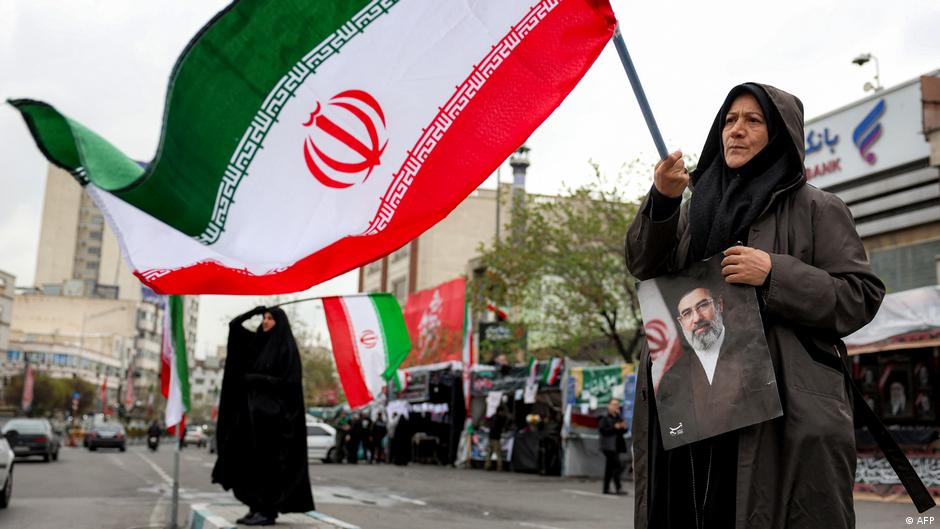
Iran rejected a US 15-point ceasefire plan and says it will end the war only on its own terms; Israeli forces say they have dropped >15,000 bombs and Lebanon reports 1,094 deaths, indicating continued high-intensity conflict. The threatened/prolonged closure of the Strait of Hormuz is choking oil, gas and fertilizer flows at peak planting season, driving diesel and fertilizer cost pressure that threatens global food supply chains and inflation. UN action (Guterres naming a special envoy) and major European political reactions (Spain's €5bn mitigation package) underscore heightened risk of wider regional escalation — recommend defensive positioning, reduce exposure to supply-chain-sensitive assets, and hedge energy/commodity risk.
The market is pricing a high probability of episodic supply shocks rather than an immediate permanent cutoff — that favors instruments that monetize spikes (short‑dated options or ETFs tracking front‑month Brent/WTI) over long‑duration commodity exposures. Rerouting seaborne flows around Africa would add low‑double digit percent voyage times and spare‑parts friction for refiners and LNG chains; expect container and bulk freight volatility (upwards) for 30–90 days around each major strike or Hormuz incident.
Fertilizer and agricultural inputs are on a tight seasonal clock: a sustained increase in freight/insurance or targeted sanctions on intermediate suppliers (phosphate, potash) will lift spot fertilizer prices within 2–8 weeks and compress farmer margins into the northern hemisphere planting window. This creates a finite arbitrage window for producers with export capacity (CF, MOS) to lock forward margins before demand reprice or governments release inventories.
Defense primes and munitions supply chains are set to capture multi‑year structural upside as inventories are replenished and allies accelerate purchases, but delivery lags (6–24 months) mean early price moves are a bet on procurement budgets and survivability of sanctions regimes. The single largest tail‑risk that would truncate the trade is a negotiated cessation that secures binding guarantees on Hormuz and reparations — that outcome is low probability near term but would produce rapid mean reversion in oil, freight, and defense equities within days of credible progress.
AI-powered research, real-time alerts, and portfolio analytics for institutional investors.
Request DemoOverall Sentiment
extremely negative
Sentiment Score
-0.90
