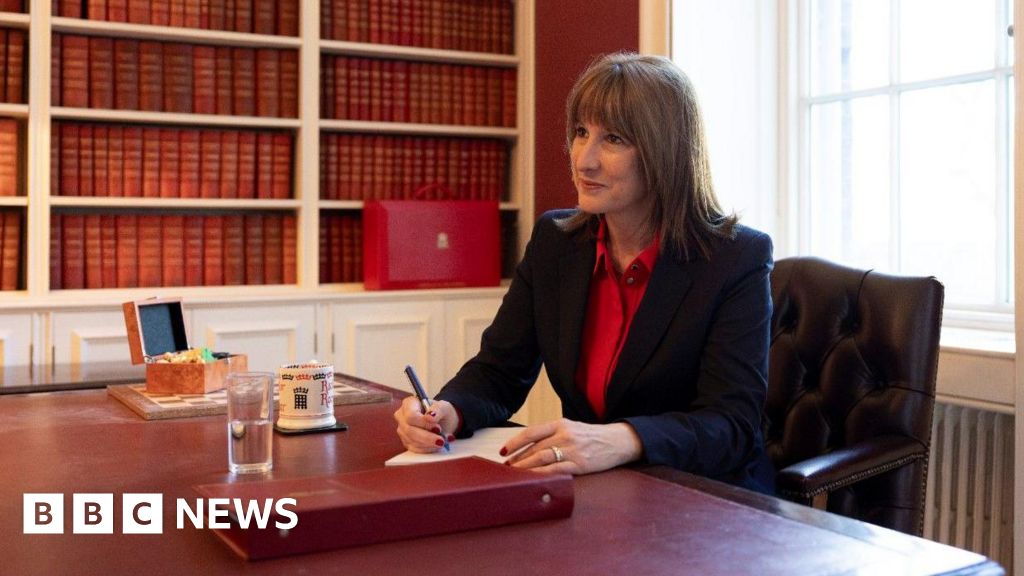
Chancellor Rachel Reeves is unveiling a Budget pitched around three priorities — cutting the cost of living, reducing NHS waiting lists and lowering government debt as a share of national income — while avoiding headline income-tax rate rises and instead using a series of smaller, targeted tax measures and selective reliefs such as some rail-fare freezes. Heightened political fragility within Labour, the risk of sector-specific protest (e.g., farmers) and visible indecision increase policy and implementation uncertainty, creating potential sectoral winners/losers and prompting market sensitivity to fiscal detail rather than a clear macroeconomic boost.
Market structure: A modestly contractionary UK Budget with targeted tax hikes and selective freezes (eg, rail fares) favours defensive, cash-generative sectors (utilities, regulated transport contractors, NHS suppliers) and hurts domestically exposed cyclicals (housebuilders, retail, leisure). Wealth/asset taxes or inheritance tweaks would depress high-end real estate transactions and luxury retail demand by an estimated 3-8% volume over 12 months, shifting pricing power toward national chains and large-cap exporters. Sovereign supply dynamics matter: any increase in borrowing or perception of political instability will steepen the gilt curve and tighten front-end BoE reaction sensitivity.
Risk assessment: Tail risks include a rating agency warning or surprise tax revolt forcing U-turns — a negative shock could push 10y gilts +50–100bp and GBP -3–6% within 1–3 months; upside tail is a credibility win that tightens 10y by 20–40bp. Immediate (days) moves will be FX/gilts; short-term (weeks–months) will manifest in domestic consumption and bank NIMs; long-term (quarters–years) is fiscal trajectory and sovereign credit. Hidden deps: BoE policy tilt, OBR growth revisions, and backbench mutiny; catalysts: OBR report, S&P/Moody comments, BoE minutes in next 30–90 days.
Trade implications: Expect elevated volatility in gilts and GBP; prefer trade-sized, conditional positions rather than directional bets. Use options to size risk: volatility repricing likely 20–40% relative move in near-term IV for GBP/UK rates. Sector rotation toward exporters and quality dividend payers will outperform mid-cap domestic names if polls/markets remain negative for government over 3–6 months.
Contrarian angles: Consensus assumes heavy, economy-crushing tax hikes; the government is more likely to apply narrow, administrable levies that shave growth modestly (0.1–0.4pp) but shore up debt ratios — this is bond-friendly if credible. Markets may over-discount a political U-turn; a measured Budget that avoids income tax hikes could see GBP and gilts rally 1–3%/20–40bp within 1–2 months. Unintended consequences include sector-specific protests (agriculture/transport) causing supply shocks in food/logistics that could lift specific commodities and defensive stock prices.
AI-powered research, real-time alerts, and portfolio analytics for institutional investors.
Request DemoOverall Sentiment
moderately negative
Sentiment Score
-0.50
