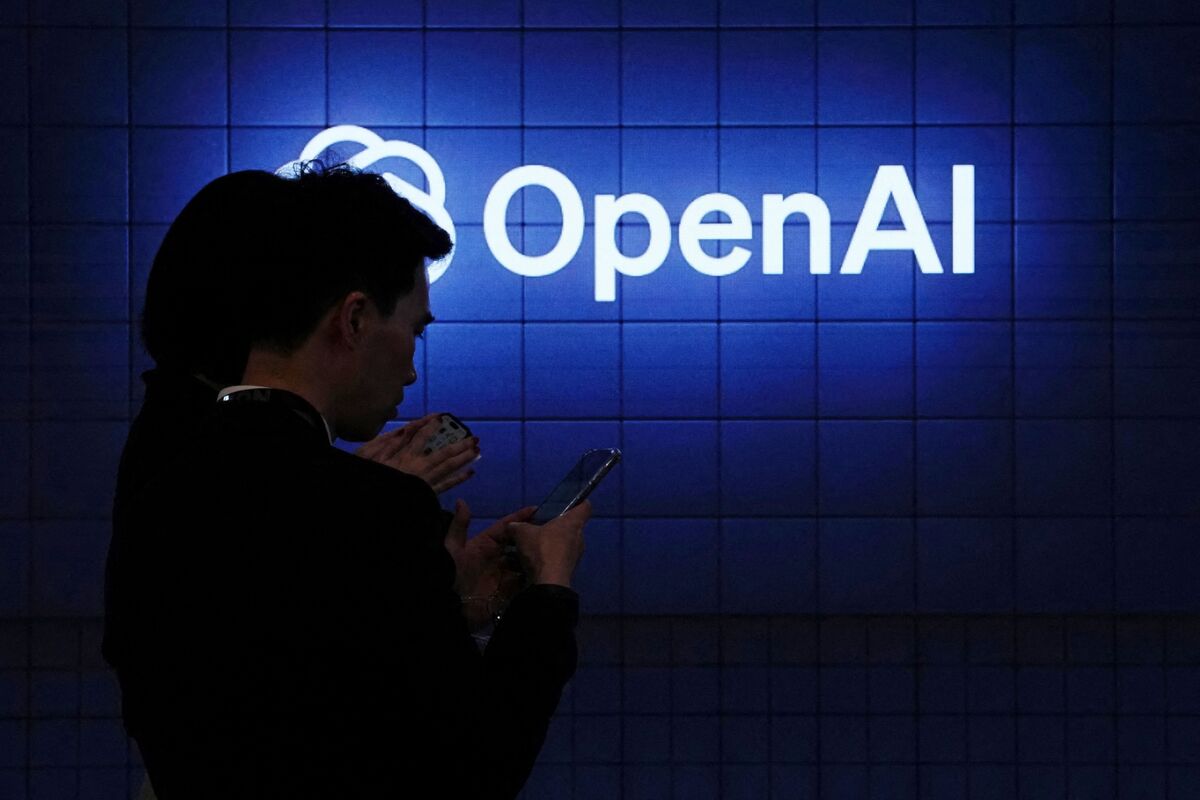
Elon Musk and Sam Altman made final arguments in a federal court showdown over OpenAI, with a jury set to vote and a judge to ultimately decide the outcome. The case centers on the AI startup they co-founded more than a decade ago and highlights a major governance and legal dispute in the artificial intelligence sector. The article is procedural and contains no financial results or valuation update.
This is less about the lawsuit’s direct economic exposure and more about governance risk discounting the AI stack. A credible adverse finding against the incumbent leadership could raise the perceived fragility of founder-control structures across private AI names, forcing a higher return threshold for capital formation, employee retention, and strategic partnerships. The near-term market impact is probably not on OpenAI itself, but on adjacent public beneficiaries that rely on a stable “OpenAI is the default AI platform” assumption. The second-order winner is any diversified AI platform with distribution leverage and less single-company key-person risk. If the dispute drags into months, customers and developers will quietly hedge concentration by building multi-model architectures, which benefits orchestration, observability, and inference-layer providers more than frontier-model headlines suggest. The loser is the narrative premium embedded in the most consensus AI exposure: when governance becomes a headline risk, valuation multiples can compress before fundamentals do. The catalyst path is binary and low visibility. A narrow win for either side likely fades in days unless it triggers injunctions, leadership changes, or disclosure that changes control expectations; the larger risk is a protracted appeal that keeps the overhang alive for quarters and prolongs “wait-and-see” enterprise procurement behavior. The contrarian view is that investors may be overestimating the immediate business impact: users care about uptime and model quality first, so the real effect may be a delayed, subtle shift in bargaining power rather than a near-term demand shock. For positioning, the best risk/reward is to fade concentrated AI-beta into litigation headlines while owning the picks-and-shovels layer that benefits from model plurality. If the case escalates into governance remedies, that is when the second-order repricing becomes meaningful; if it resolves cleanly, the trade should still work via relative multiple dispersion rather than outright industry downside.
AI-powered research, real-time alerts, and portfolio analytics for institutional investors.
Overall Sentiment
neutral
Sentiment Score
0.00
