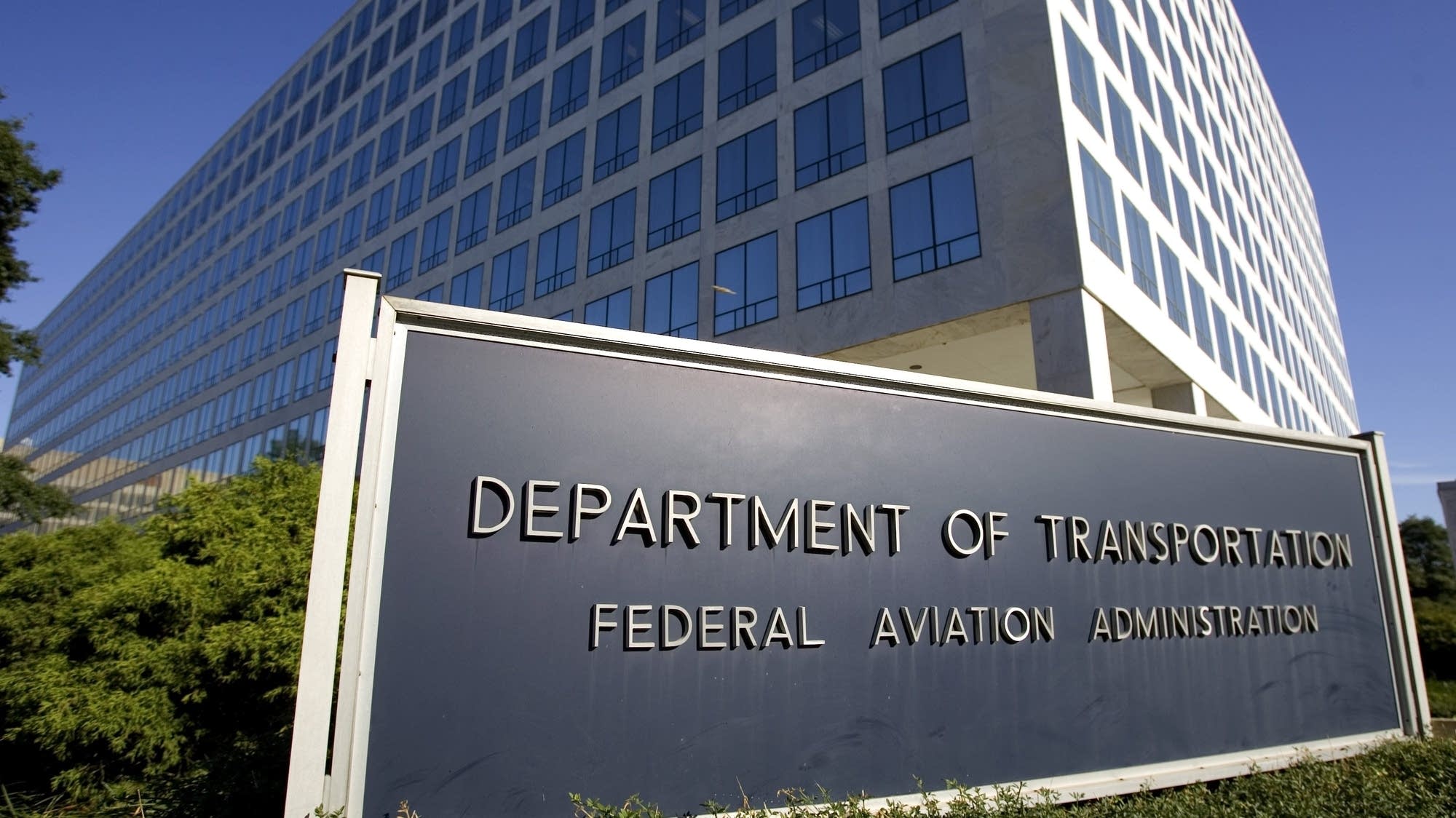
The FAA has closed airspace around El Paso, Texas, for 10 days, grounding all flights in the affected area. The shutdown will halt commercial and cargo operations into El Paso, creating near-term operational disruption for carriers, regional supply chains and the local economy; hedge funds should monitor airlines and airfreight exposures to El Paso, potential diversion costs at nearby airports, and any updates from the FAA on the reason and duration of the closure.
Market structure: A 10‑day FAA closure around El Paso is a concentrated, short‑duration shock that primarily hurts regional carriers (AAL, ALK/LUV) on ELP routes, airport concession revenue and local travel/tourism spend while modestly boosting demand for ground freight providers (CHRW, KNX, EXPD) and major integrators (FDX, UPS) who can absorb diverted air cargo. Pricing power shifts toward trucking/expedited logistics for next‑day deliveries and toward adjacent airports (LAS, ABQ) for rerouted flights; national airline network revenue impact should be <1% companywide but local yields could fall 5–15% on affected routes over 10 days.
Risk assessment: Tail risks include an extension beyond 10 days or escalation to wider Southwest airspace closures (low probability, high impact) which would pressure airline equities, increase short‑term credit spreads for airlines (10–50bps) and spike short‑dated implied volatility. Immediate effects (0–10 days) are operational and cash flow; short term (weeks) sees backlog in cargo and hotel cancellations; long term (quarters) only if closure triggers regulatory scrutiny or sustained rerouting costs. Hidden dependencies: cross‑border manufacturing just‑in‑time lines could see 3–7 day input delays, amplifying inventory drawdowns for local maquiladoras.
Trade implications: Tactical ideas: (1) small‑size long positions in CHRW/KNX (1–2% portfolio each) for 1–3 months to capture modal shift pricing; (2) short 0.5–1% positions or buy 2–4 week put spreads on AAL/LUV to capture localized yield compression, with stop if reopening occurs before 7 days; (3) buy short‑dated call spreads on FDX/UPS (2–6 week) to play incremental parcel volumes. Use volatility strategies (calendar or debit spreads) around FAA notices; size trades for a 10–30 day event horizon.
Contrarian view: Consensus may overprice systemic airline risk; national carriers with diversified networks (DAL, UAL) will rebound quickly once airspace reopens — avoid long‑duration shorts. Conversely, trucking capacity is already tight; ground carriers may need 4–8 weeks to monetize higher rates, so don’t overpay — target entry on confirmation of sustained rerouting (measured by +5% week‑over‑week TON shipments at nearby airports or spot contract rate increases >10%). Historical parallels (short regional closures) show mean reversion in equities within 2–6 trading days after reopening.
AI-powered research, real-time alerts, and portfolio analytics for institutional investors.
Request DemoOverall Sentiment
moderately negative
Sentiment Score
-0.40
