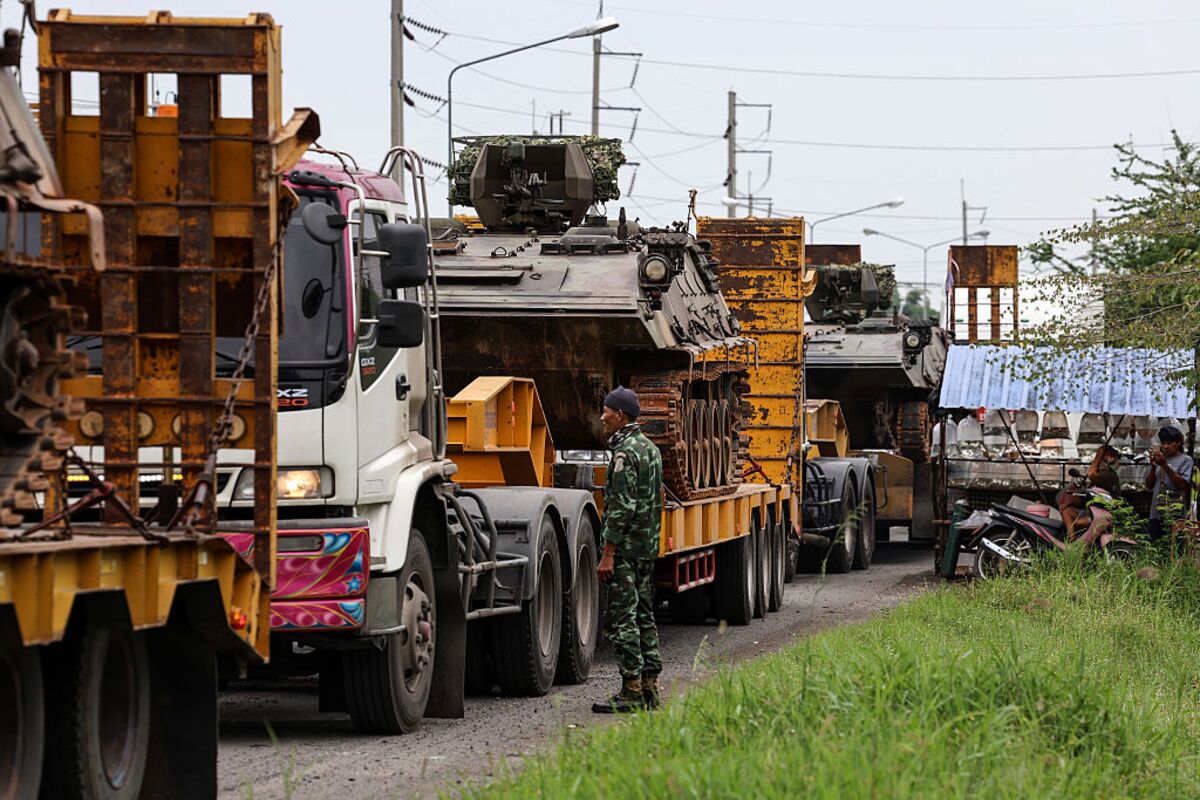
Thai Acting Prime Minister Phumtham Wechayachai and Cambodian Prime Minister Hun Manet are scheduled to meet in Kuala Lumpur on Monday for peace talks aimed at resolving their deadliest conflict in over a decade. This diplomatic initiative is notably driven by US President Donald Trump, who utilized the threat of tariffs to press for a ceasefire, with Malaysian Prime Minister Anwar Ibrahim facilitating the dialogue. The resolution of this significant regional dispute, influenced by US economic leverage, could enhance Southeast Asian stability.
Peace talks scheduled for Monday between Thai and Cambodian leaders represent a critical effort to de-escalate the deadliest regional conflict in over a decade. The dialogue, facilitated by Malaysia as the chair of ASEAN, carries significant geopolitical weight. A key driver for this diplomatic initiative is the direct intervention of US President Donald Trump, who successfully leveraged the threat of tariffs to compel a ceasefire. This event underscores the increasing use of economic tools, specifically trade policy, to achieve foreign policy objectives. While the direct market impact is assessed as low, a successful resolution could reduce the geopolitical risk premium associated with Thai and Cambodian assets and enhance regional stability. Conversely, a failure in negotiations could reintroduce uncertainty and highlights a persistent risk for supply chains operating in the Southeast Asian corridor.
AI-powered research, real-time alerts, and portfolio analytics for institutional investors.
Request DemoOverall Sentiment
mildly positive
Sentiment Score
0.15
