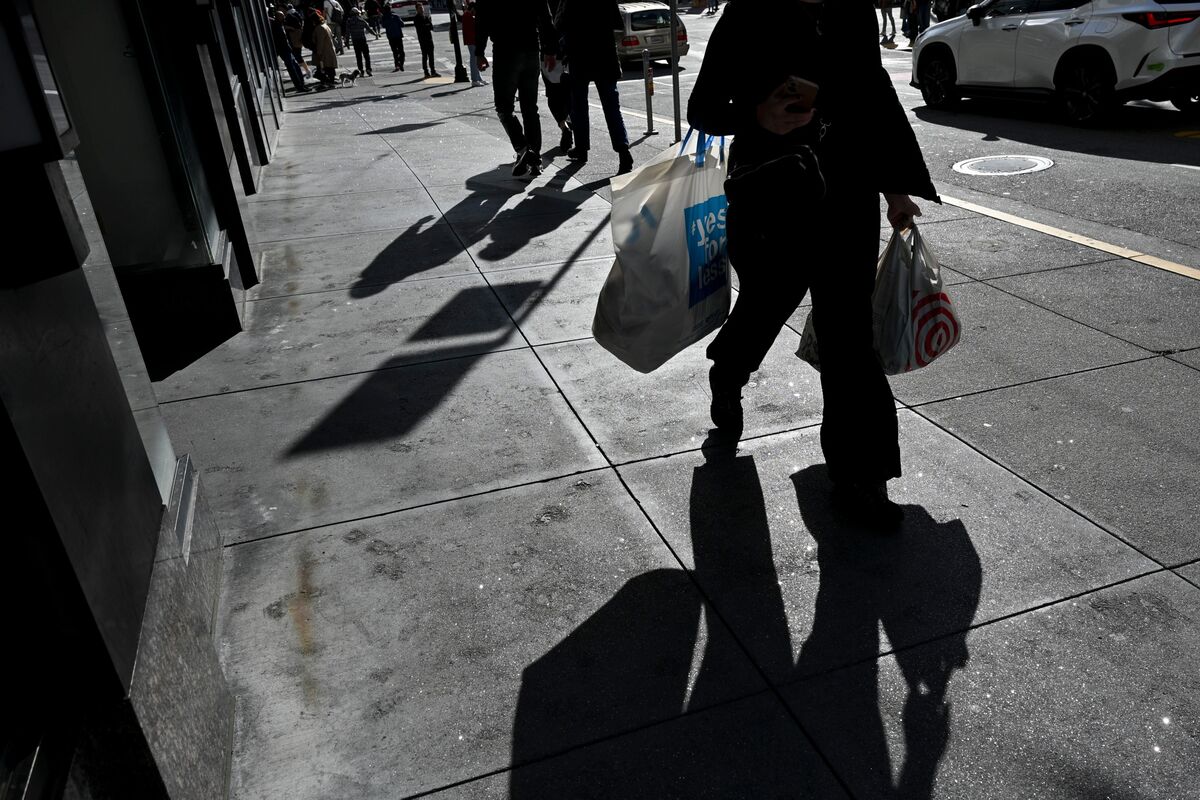
US consumer sentiment declined to 55.4 in September, marking its lowest level since May and missing economist forecasts, as rising concerns over the labor market and a second consecutive monthly increase in long-term inflation expectations weighed on the economic outlook.
The preliminary September University of Michigan consumer sentiment index registered a significant decline to 55.4 from 58.2 in August, marking its lowest level since May. This figure represents a notable negative surprise, falling below the forecasts of nearly all economists surveyed by Bloomberg. The deterioration is attributed to growing consumer concerns about the labor market outlook and persistent price pressures, which are weighing on the broader economic perspective. Compounding this pessimism, long-term inflation expectations rose for the second consecutive month, signaling that consumers are increasingly anticipating sustained price increases. This combination of weakening sentiment and elevated inflation expectations points to a potential headwind for consumer spending, a critical component of the US economy.
AI-powered research, real-time alerts, and portfolio analytics for institutional investors.
Request DemoOverall Sentiment
strongly negative
Sentiment Score
-0.60
