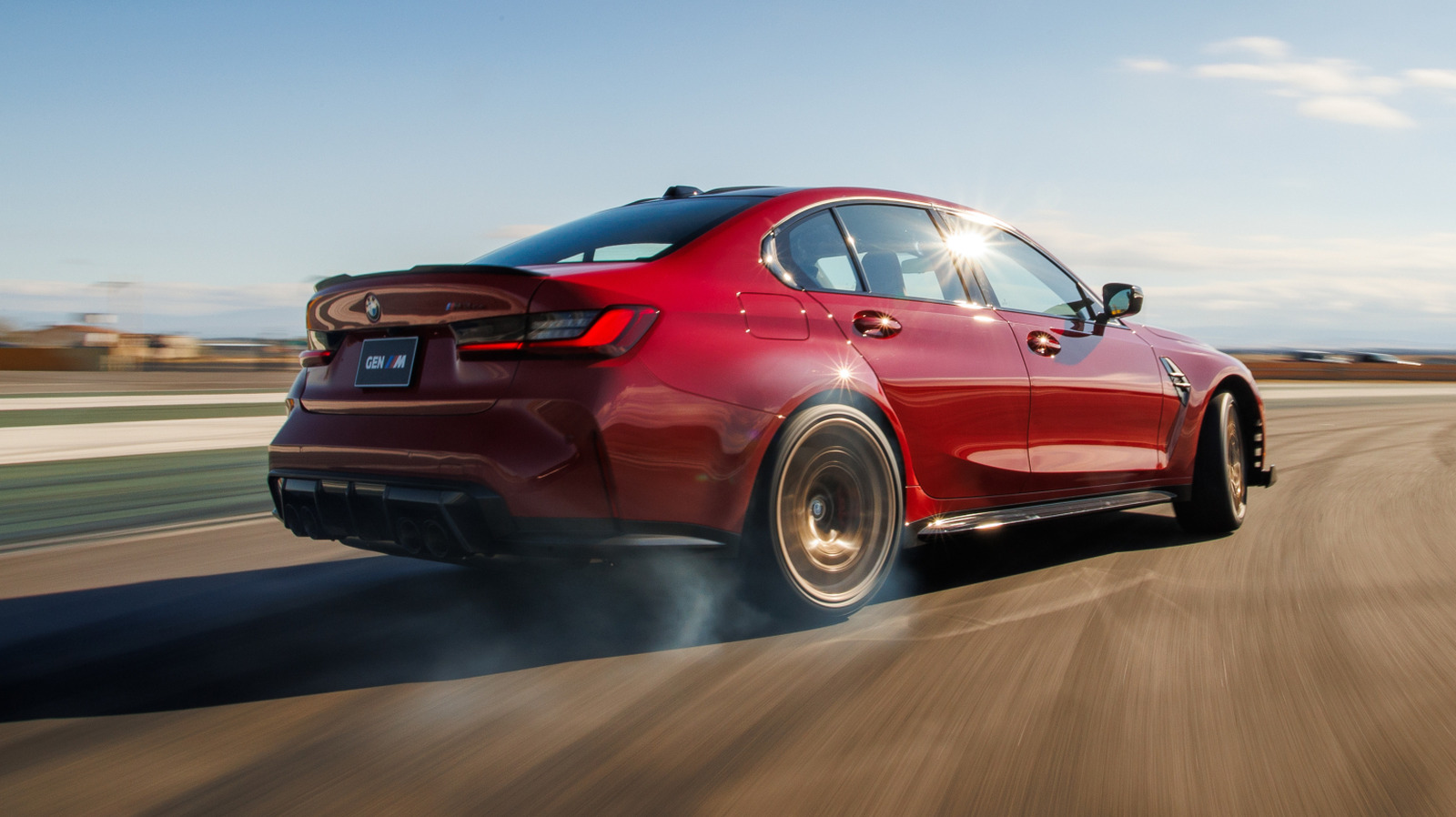
BMW is launching the 2027 M3 CS Handschalter for North America with a six-speed manual and rear-wheel drive, priced at $108,450 including destination. The car is 42 pounds lighter than the standard manual M3, makes 473 hp and 406 lb-ft, and is quicker to 60 mph in 4.1 seconds with a 180 mph top speed. It will be built in very limited numbers and debuts May 23 in Los Angeles.
BMW is using scarcity and nostalgia to monetize a shrinking but highly profitable niche: U.S. manual-transmission purists. The important second-order effect is not unit volume, but mix and halo value for the broader M portfolio — a limited run at a premium price can lift desirability of the regular M3 without requiring meaningful incremental capex, while also creating a clear end-of-cycle narrative before the next platform reset. The rear-drive/manual combo also implicitly targets the enthusiast margin stack that has been under pressure from antilock, ADAS, and emissions complexity; BMW is signaling it can still extract premium dollars from analog driving feel even as the industry shifts to software-defined vehicles.
The competitive implication is that this pressures Mercedes-AMG and Cadillac V-Series more than the mass market. If BMW successfully converts a small cohort of buyers into last-chance purchases, it validates the thesis that legacy performance brands can keep pricing power by offering “heritage trims” rather than only adding horsepower. The supply-chain angle is modest but real: low-volume carbon-fiber, performance tire, and brake suppliers benefit from mix, but the bigger winner is BMW’s own M division, which can leverage the same engineering/marketing playbook on future special editions with high gross margin and low inventory risk.
Risk is that this is a vanity launch with limited incremental profit if demand is fully cannibalized from base M3 manuals rather than conquested from competitors or prior-generation owners. The catalyst window is short — days to weeks around the reveal and first allocation sell-through — but the broader pricing signal matters over months if resale premiums appear, because that would encourage BMW to keep monetizing manual nostalgia in future special editions. Contrarian view: the market may underappreciate how much this supports the residual-value ecosystem for performance BMWs; however, if the Neue Klasse M3 arrives with a cleaner, more compelling performance story, the halo could fade faster than expected and this launch becomes a last-gasp collector item rather than a sustained demand trend.
AI-powered research, real-time alerts, and portfolio analytics for institutional investors.
Request DemoOverall Sentiment
mildly positive
Sentiment Score
0.35
