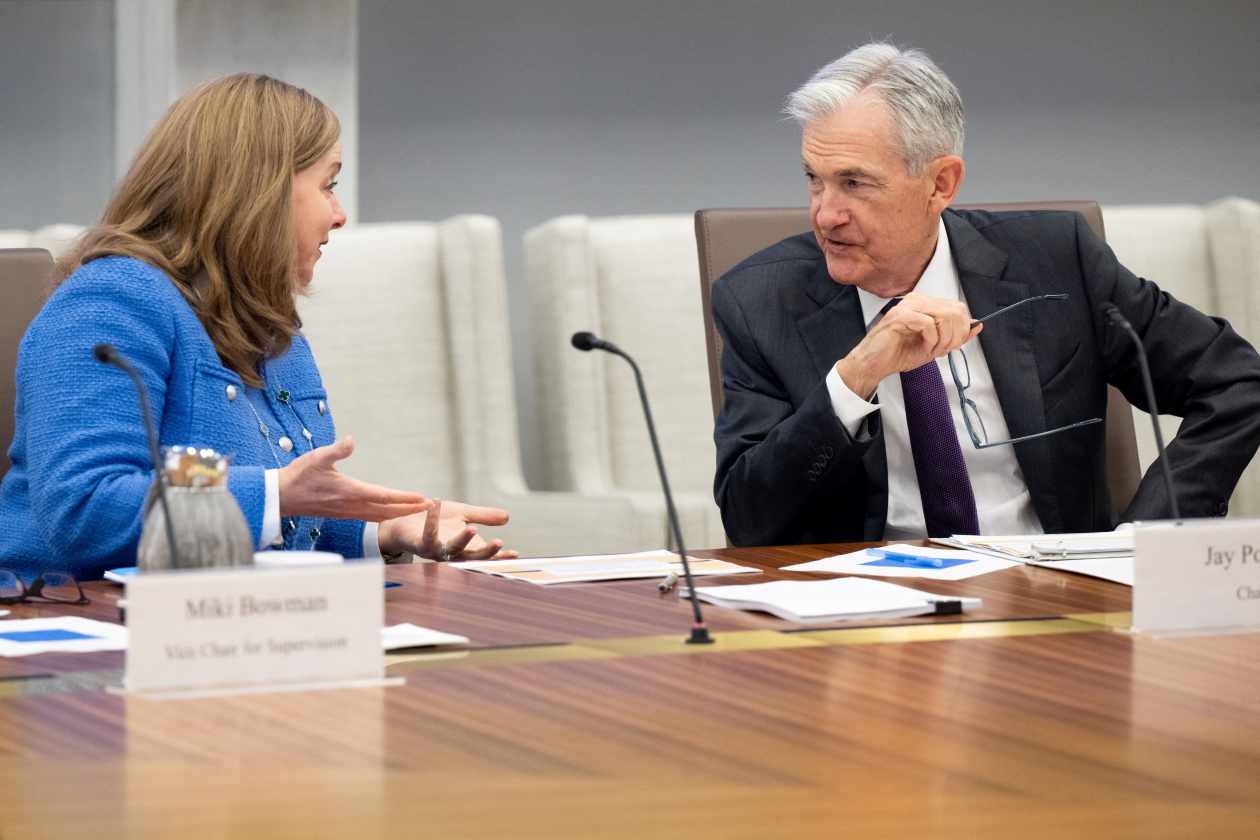
Two Federal Reserve governors dissented from the recent decision to hold interest rates steady, citing significant concerns over the labor market's health and advocating for lower rates. Governor Christopher Waller specifically stated that private-sector payroll growth is "near stall speed" once expected data revisions are accounted for, despite surface appearances. This internal disagreement highlights differing views on economic conditions within the Fed, potentially signaling future pressure for monetary policy adjustments.
A significant divergence in economic outlook has appeared within the Federal Reserve, as two governors dissented from the decision to hold interest rates steady, citing concerns over the health of the labor market. This historic opposition is underpinned by a belief that underlying economic strength is waning, a view articulated by Fed Governor Christopher Waller who stated that after accounting for expected revisions, "private-sector payroll growth is near stall speed." This internal disagreement suggests that headline economic data may be masking underlying weakness, and it introduces a dovish pressure on future monetary policy, potentially accelerating the timeline for rate cuts if subsequent data validates the dissenters' concerns.
AI-powered research, real-time alerts, and portfolio analytics for institutional investors.
Request DemoOverall Sentiment
moderately negative
Sentiment Score
-0.50
