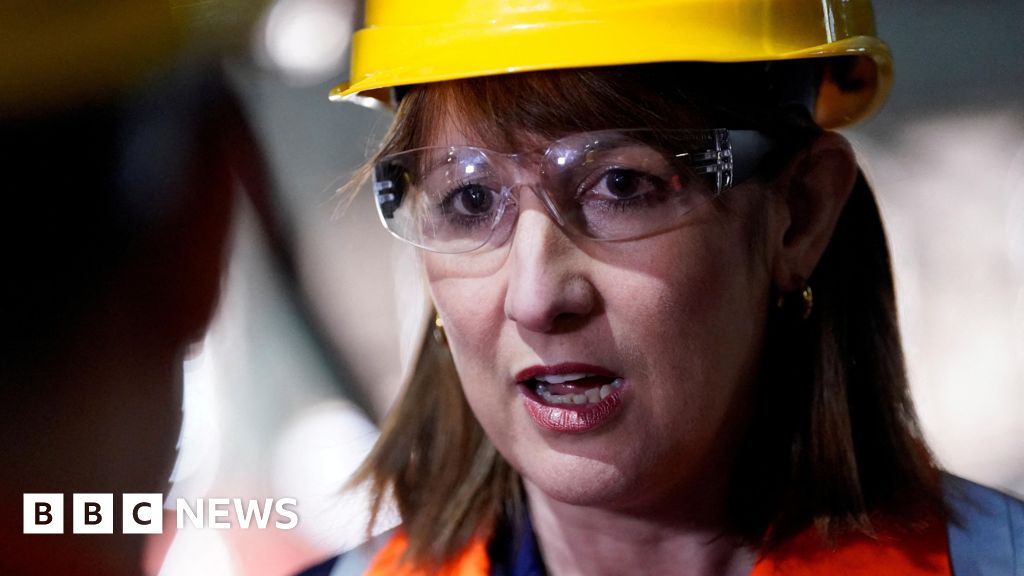
Labour Chancellor Rachel Reeves is facing increasing internal pressure from fellow MPs across the political spectrum to deviate from her current fiscal policies, which prioritize tax income over borrowing and debt reduction. Alternative proposals include wealth taxes, relaxation of fiscal rules to allow for increased investment, restoration of a higher top tax rate, and a windfall tax on companies profiting from Covid contracts, with some advocating for a broader economic reset and revisiting past policies from Gordon Brown's tenure; the Treasury, however, remains resistant due to concerns about market reactions and investor confidence.
UK Labour Chancellor Rachel Reeves is encountering significant internal dissent regarding her current fiscally conservative stance, which prioritizes funding day-to-day costs through tax income and ensuring debt falls as a share of national income over five years. This approach, justified by blaming the previous government and aiming to avoid adverse market reactions, is being challenged by a growing number of Labour MPs advocating for alternative economic strategies. Proposals range from a wealth tax potentially raising £25bn, relaxing fiscal rules to boost investment, restoring a 50p top tax rate and aligning capital gains tax with income tax (estimated to yield £12bn), to implementing new windfall taxes on companies that profited excessively from Covid contracts. Further suggestions include revising the Treasury's 'Green Book' project assessment methodology, reforming the Office for Budgetary Responsibility's remit, and even reconsidering pledges against raising income tax or National Insurance. This internal pressure, exemplified by a leaked memo from Angela Rayner's department suggesting £3bn-£4bn in tax rises concurrently with Reeves' £5bn welfare cuts, reflects increasing unease within Labour as its poll ratings decline and a realization that deeper cuts to unprotected public services may be inevitable without new revenue or altered borrowing rules. The Treasury remains resistant to many alternatives, citing concerns over investor sentiment and market stability, a tension underscored by the article's reported 'uncertain' tone and 'mixed' sentiment signal with a moderate market impact score of 0.5. The situation suggests a pivotal internal debate that could redefine Labour's economic platform, with potential implications for UK fiscal policy, taxation, and government spending priorities should these alternative views gain traction.
AI-powered research, real-time alerts, and portfolio analytics for institutional investors.
Request DemoOverall Sentiment
mixed
Sentiment Score
0.00
