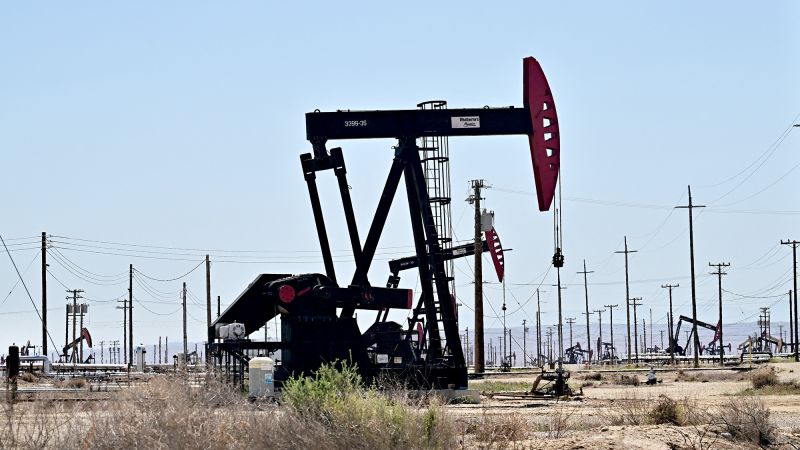
Global oil benchmarks Brent and WTI both declined 4.3% on Tuesday, returning to pre-conflict levels around $68-$65 per barrel, driven by news of a fragile ceasefire between Iran and Israel. This de-escalation eased market concerns over potential disruptions to global oil supplies, particularly via the Strait of Hormuz, leading to a broad rally across global equity markets. However, analysts caution that the ceasefire's fragility and persistent regional tensions could quickly reverse this risk-on sentiment.
Global markets are experiencing a significant risk-on shift following the announcement of a fragile ceasefire between Iran and Israel, leading to a sharp reversal in oil prices and a broad rally in equities. Both Brent and WTI crude benchmarks fell 4.3% to $68.44 and $65.55 respectively, erasing the geopolitical risk premium accrued during the 12-day conflict and returning to pre-conflict levels. This decline is directly attributable to receding fears of a supply disruption through the Strait of Hormuz, a scenario Goldman Sachs had estimated could push oil past $100 per barrel. The relief has fueled positive sentiment across global equity markets, with US futures pointing to gains of 0.6%-1.0% and major Asian and European indices, including the Hang Seng (+2%) and STOXX Europe 600 (+1.2%), trading firmly higher. However, the situation remains precarious. The ceasefire is immediately being tested by mutual accusations of violations, and analysts caution that the relief rally could be short-lived. A return to hostilities would likely trigger a swift reversal to risk-aversion, pressuring equities and boosting safe-haven assets. This high sensitivity was evident in oil's 7.2% single-day drop on Monday, highlighting the market's extreme reactivity to developments in the region.
AI-powered research, real-time alerts, and portfolio analytics for institutional investors.
Overall Sentiment
mildly positive
Sentiment Score
0.25
Ticker Sentiment
