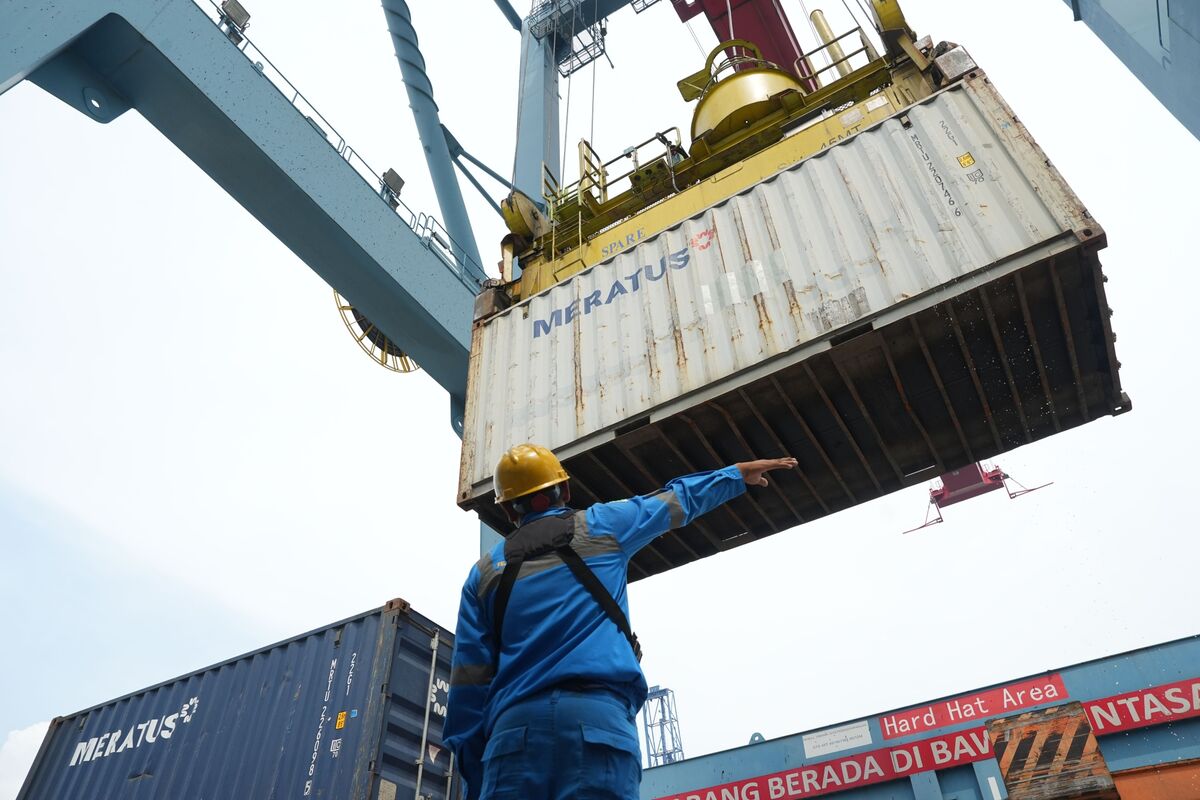
Indonesia announced it will ease or eliminate import restrictions on 10 categories of goods and raw materials, including fertilizers and footwear, effective Monday. This strategic move by Southeast Asia's largest economy aims to bolster its competitiveness and facilitate ongoing trade negotiations, particularly with the US, signaling a more open trade posture.
Indonesia is liberalizing its import regulations for ten distinct categories of goods and raw materials, including key inputs like fertilizers and plastics, as well as finished products like footwear and bicycles. This policy, effective immediately, is strategically designed to bolster the competitiveness of Southeast Asia's largest economy and strengthen its negotiating position in ongoing trade discussions, notably with the United States. The relaxation of import rules on raw materials is poised to lower input costs for domestic manufacturers, potentially expanding profit margins and enhancing their market position. The move reflects a broader shift towards a more open trade posture, which is interpreted with moderate optimism by the market, signaling potential improvements in supply chain efficiency and a more favorable business environment within the country.
AI-powered research, real-time alerts, and portfolio analytics for institutional investors.
Request DemoOverall Sentiment
moderately positive
Sentiment Score
0.60
