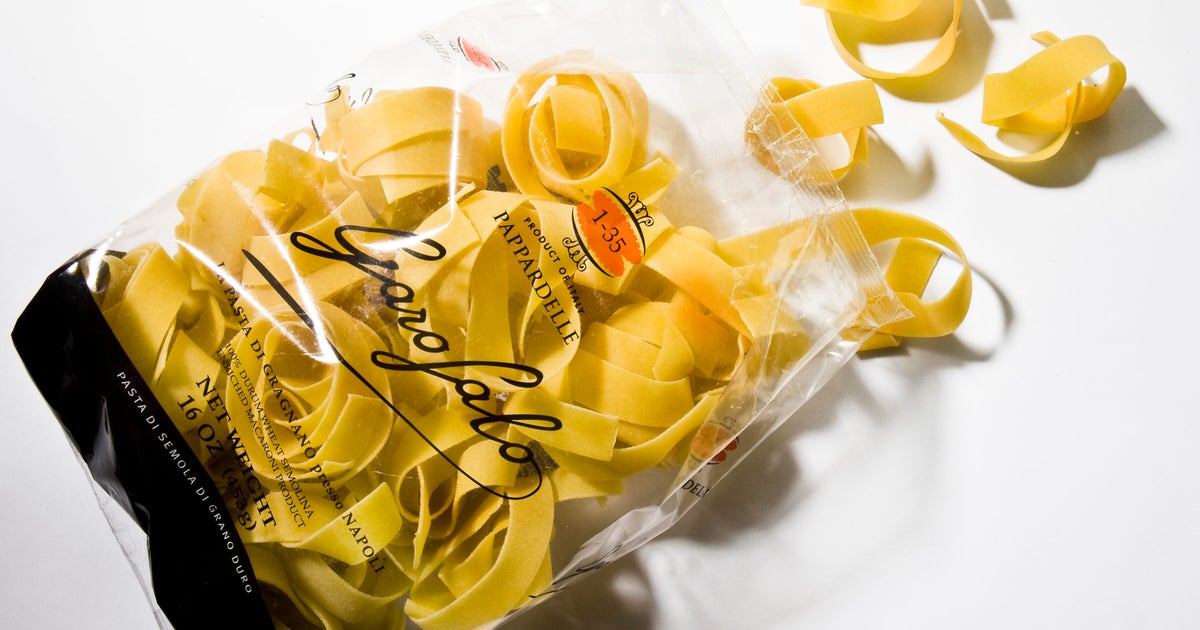
The U.S. Department of Commerce sharply reduced proposed antidumping duties on 13 Italian pasta makers, trimming proposed rates that had been as high as 92% to as low as 2.26%. La Molisana will be subject to a 2.26% duty, Pastificio Lucio Garofalo nearly 14%, and 11 other brands roughly 9%; these would have been levied on top of existing 15% EU import tariffs. The rollback, framed by Italy's foreign ministry as recognition of cooperation, limits potential price increases for U.S. consumers and reduces the risk of disrupted shipments from Italian exporters; the development is sector-specific and unlikely to move broader markets materially.
Market structure: The tariff rollback (from up to 92% to 2.26–14%) materially reduces price shock risk for U.S. grocery shelves and preserves Italian exporters' access to the U.S.; retailers (WMT, KR, COST) and importers gain modest margin relief while domestic pasta/packagers (private-label makers, THS, BGS exposure) lose potential pricing tailwinds. Pricing power shifts slightly toward retailers and branded-imports; expect modest upward pressure on imported-pasta volumes over 3–6 months and limited downward price pressure on domestic pasta SKUs by 3–8%. Cross-asset: FX and rates impact negligible (<0.25% move expected), wheat/durum demand effect immaterial to CBOT wheat (<1–2% demand swing), but freight/import logistics names could see small volume bumps.
Risk assessment: Tail risks include abrupt policy reversal (administration reimposes higher rates or expands 15% EU tariffs), litigation that delays shipments, or retaliation — low probability but high impact; trigger window 30–90 days. Short-term (days–weeks) market reaction should be muted; medium-term (1–3 months) sees volume reallocation and margin moves; long-term (quarters) depends on bilateral trade policy stability. Hidden dependencies: retailer shelf assortments, private-label contract lengths, and distributor inventory cycles can delay or amplify effects by 1–2 quarters.
Trade implications: Direct plays favor long large grocery retailers (WMT, KR) and short packaged-food/pasta packagers (THS, BGS) sized to capture a 3–6 month margin delta; use options to express directional conviction with defined risk (3-month spreads). Rotate modest overweight into Retail/Staples retailers and underweight Packaged Foods for Q1–Q2 2026 earnings; monitor import data and final Commerce orders as primary catalysts.
Contrarian angles: Consensus underestimates contract- and shelf-level frictions that delay volume migration — immediate retailer benefit is front-loaded to promotional activity, not wholesale margin recovery. The market may be underpricing legal/appeal tail risk; if Commerce later raises any brand above 15%, packaged-food names could snap back quickly. Historical parallel: 2018 steel/aluminum threats showed initial volatility then muted long-run price impact; expect similar muted but sector-specific moves here. Unintended consequence: higher Italian volumes could pressure certain durum wheat premiums regionally, creating short-lived commodity dislocations exploitable for weeks, not quarters.
AI-powered research, real-time alerts, and portfolio analytics for institutional investors.
Request DemoOverall Sentiment
mildly positive
Sentiment Score
0.25
