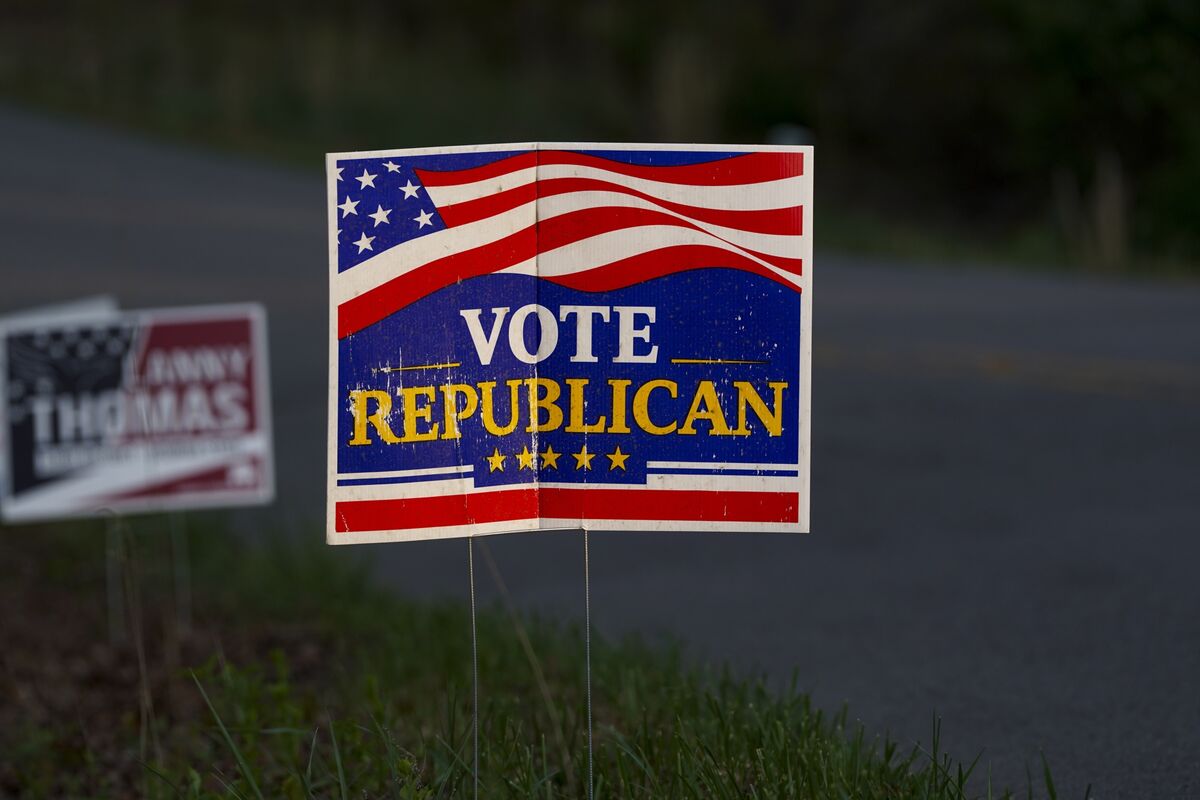
Republican lawmakers are struggling to coalesce around an affordability agenda with fewer than six months until the midterm elections, as voter concern over prices and inflation intensifies. The article highlights growing frustration among GOP moderates who believe the party is misallocating time to issues that are not resonating with voters. The market impact is limited, but the political backdrop is increasingly negative for policy clarity around cost-of-living relief.
This is a slow-burn macro negative for discretionary consumption rather than an immediate market shock. When households are already price-sensitive, political dysfunction around affordability tends to prolong uncertainty and keep “wait-and-see” behavior elevated, which favors staples, private-label mix, and defensive retailers while pressuring higher-ticket and lower-income exposed names. The second-order effect is that policy gridlock can become self-reinforcing: if consumers don’t see credible relief, they continue trading down, which keeps sales growth concentrated in value channels and limits any broad-based margin recovery. The bigger risk is not the headline itself but the fiscal-policy drift that follows it. Vulnerable legislators may respond with ad hoc, deficit-friendly measures in the 3-9 month window, increasing odds of targeted subsidies, tax credits, or election-year stimulus that could steepen the curve at the margin and re-ignite inflation expectations if the economy is already resilient. That would be a poor backdrop for duration-sensitive assets and for companies whose valuation depends on lower rates and stable input costs. Geopolitics adds a second layer: if the administration is simultaneously managing war-related energy risk, the affordability narrative becomes even harder to control because gasoline is the most visible inflation signal to voters. Any renewed energy spike would disproportionately hurt transport, consumer, and small-business confidence over the next 1-2 quarters, while benefiting domestic energy and defense-adjacent names. The consensus may be underestimating how quickly political frustration can shift from “policy debate” to “consumer retrenchment,” which usually shows up first in earnings revisions before it appears in headline macro data. Contrarian takeaway: the selloff risk is not in broad equities, but in consensus-long domestic cyclicals and names priced for a clean soft landing. If the market is already discounting an orderly election/consumer path, the asymmetric move is a slowdown in lower-end retail volumes and a re-rating of rate-sensitive growth if fiscal noise forces higher term premiums. Any credible affordability package could reverse this, but absent that, the path of least resistance is defensive outperformance.
AI-powered research, real-time alerts, and portfolio analytics for institutional investors.
Request DemoOverall Sentiment
moderately negative
Sentiment Score
-0.35
