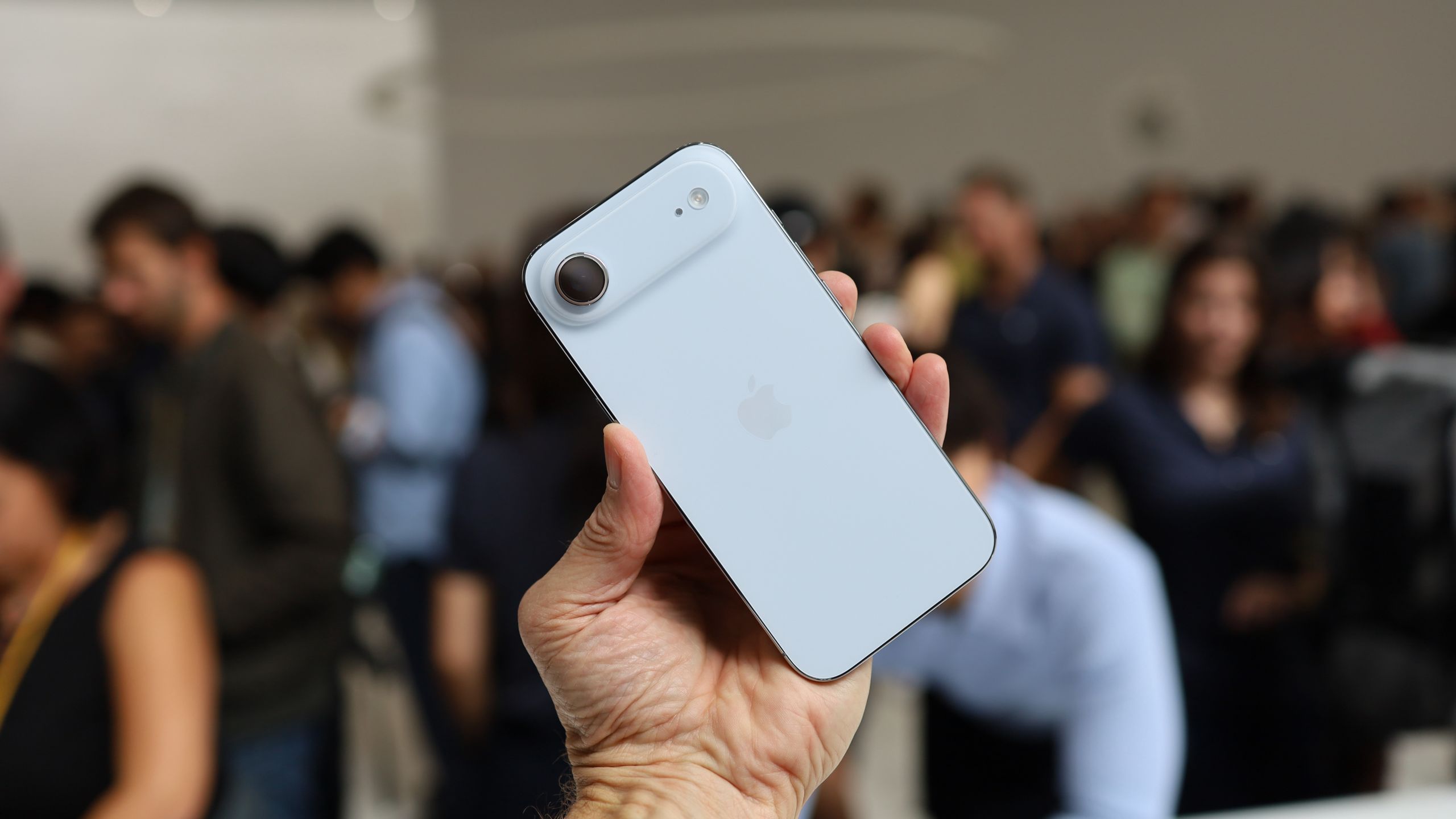
Apple is reportedly planning an iPhone Air 2 with CoE display technology that would deliver a brighter, thinner screen, potentially allowing a larger battery and slimmer chassis, plus a second ultra‑wide rear camera; the model is expected in 2027 as Apple shifts its launch cadence. The story highlights weak sales of the current iPhone Air and notes comparable market softness for ultra‑thin phones (citing Samsung), suggesting upgrades could address key product shortcomings but are unlikely to be a near‑term market mover absent sales or financial disclosure.
Market structure: If Apple (AAPL) ships an iPhone Air 2 with CoE display, larger battery and a second camera, component winners include image‑sensor and optical suppliers (incremental ASP lift of $10–30 per unit) and display vendors able to produce CoE panels; losers are niche OEMs betting on “ultra‑thin” form‑factor differentiation (demand for extreme thinness looks soft). Incremental unit demand impact on AAPL revenue is modest in 2027 (estimate +1–3% iPhone units vs. a failure case of flat units), but margin upside comes from higher mix and ASP on camera/display upgrades. On cross‑assets, a positive surprise would be mildly USD‑bullish and negligible for US IG credit spreads; persistent weakness in handset demand is a bigger macro risk that could pressure cyclical equities and copper/rare earth demand over 12–24 months.
Risks & timing: Tail risks include supply‑chain yield failure for CoE (delays to 2028) or Apple dropping the line (low‑probability but high‑impact to supplier revenue), antitrust restrictions on bundling, or a demand shock from macro weakness. Immediate (days) impact: rumor volatility; short‑term (weeks–months): supplier order flow updates and Samsung competitor moves; long‑term (quarters–years): material ASP/mix effects if Air becomes a meaningful SKU. Hidden dependencies: yield, contract pricing, and cannibalization of iPhone 18/regular models could offset any uplift.
Trade implications: Direct play—establish a tactical 2–3% notional long in AAPL via Jan 2028 LEAPS calls ~10% OTM to capture 2027 product cycle, funded by selling nearer‑dated call spreads around each Apple event (30–60 days horizon). Pair trade—long SONY (SONY) 1–2% vs. short a display‑only supplier exposed to thin‑phone failure; target +15–25% in 12 months if sensor content rises. Options—use calendar spreads into Sep 2026 and mid‑2027 announcements to buy convexity and limit theta decay.
Contrarian view: The market underestimates execution risk and cannibalization; consensus assumes any spec upgrade equals unit upside, which is likely overdone. Historical parallel: niche form‑factor rebounds (e.g., small‑phone pockets in 2016) often produced temporary supplier bumps then mean reversion; if Air 2 only fixes aesthetics not price/value, upside may be <5% in share gains. Unintended consequence: larger battery + camera raises bill of materials and could compress gross margin unless ASPs rise by $20–40/unit or cost falls by similar amount.
AI-powered research, real-time alerts, and portfolio analytics for institutional investors.
Request DemoOverall Sentiment
neutral
Sentiment Score
0.10
Ticker Sentiment
