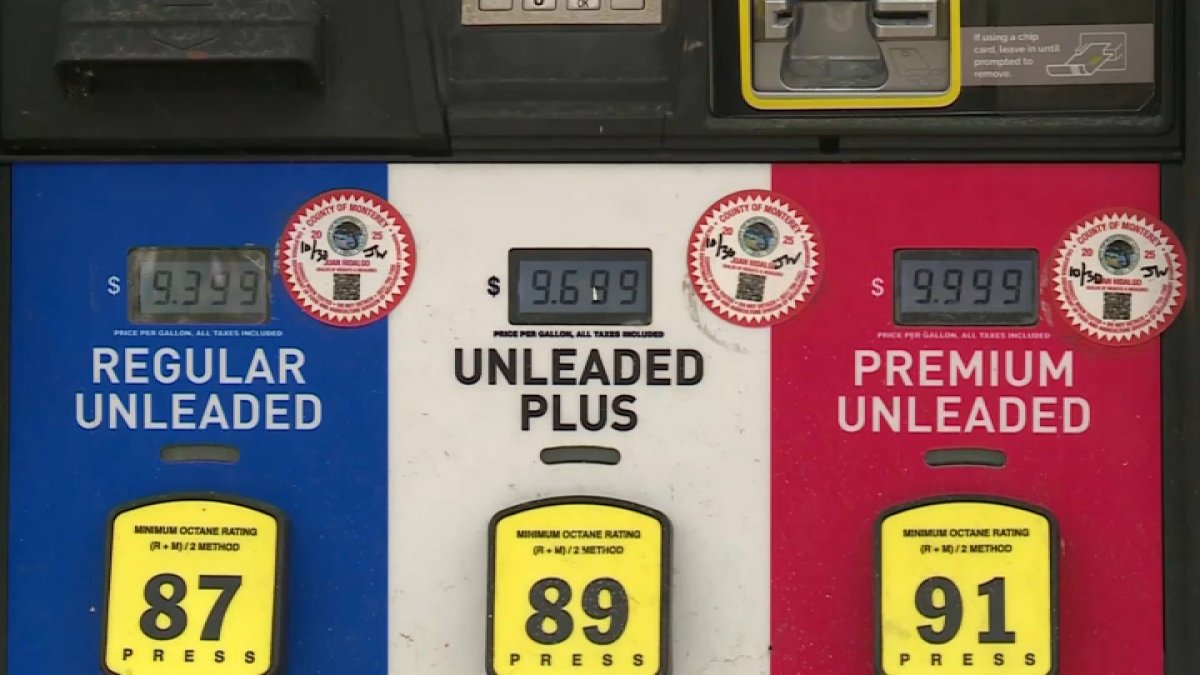
Gas at a remote Gorda, CA station is being posted at eye-popping retail levels: $9.40/gal regular, $9.70/gal unleaded plus and $9.99/gal premium; the owner attributes the premium to running the site on generators due to no grid power. Regional averages are also elevated: Oakland $5.92/gal, San Jose $5.88/gal and San Francisco above $6.00/gal. This is a localized retail pricing anomaly driven by high operating costs and constrained supply at that site, posing headline risk and consumer pain but is unlikely to move broader markets or commodity prices materially.
What looks like an isolated retail outlier is a concentrated symptom of three structural frictions: islanded retail sites (on-site generation), constrained regional refining/logistics, and regulatory/tax structure that creates persistent location-specific premia. Together these raise the local price floor and reduce short‑run price elasticity — meaning margins for captive retail locations can be multiples of normal urban convenience margins for months at a time when infrastructure constraints persist.
Second-order winners are assets that internalize the transfer from motorists to infrastructure: electrification players (charging networks, grid upgrades) and firms that monetize stranded retail assets (generator fuel suppliers, aircraft/marine bunkering that arbitrage regional spreads). Conversely, firms with high last‑mile diesel/gas exposure face margin compression through higher operating expense and potential demand destruction in discretionary segments.
Catalysts to watch span timeframes: near‑term (days–weeks) — refinery turnarounds, pipeline/power outages and tourist-season demand spikes; medium (3–12 months) — regulatory interventions (tax relief, temporary subsidies) or significant spot wholesale supply relief into California markets; long (1–3 years) — accelerating EV adoption and targeted grid upgrades that structurally reduce premium dynamics. A price regime that stays elevated for 6+ months materially changes capex allocation for fleets and increases political pressure for mitigation, which is the main reversal mechanism for regional premia.
The consensus framing — that these are transient retail anomalies — understates the feedback loop between grid fragility and fuel logistics. If stations increasingly rely on expensive on‑site generation, operating costs become sticky and create permanent local price skews until capex (grid or charging infrastructure) arbitrages them away; that process is multi‑year and creates asymmetric opportunities for infrastructure owners vs commodity players.
AI-powered research, real-time alerts, and portfolio analytics for institutional investors.
Request DemoOverall Sentiment
neutral
Sentiment Score
0.00
