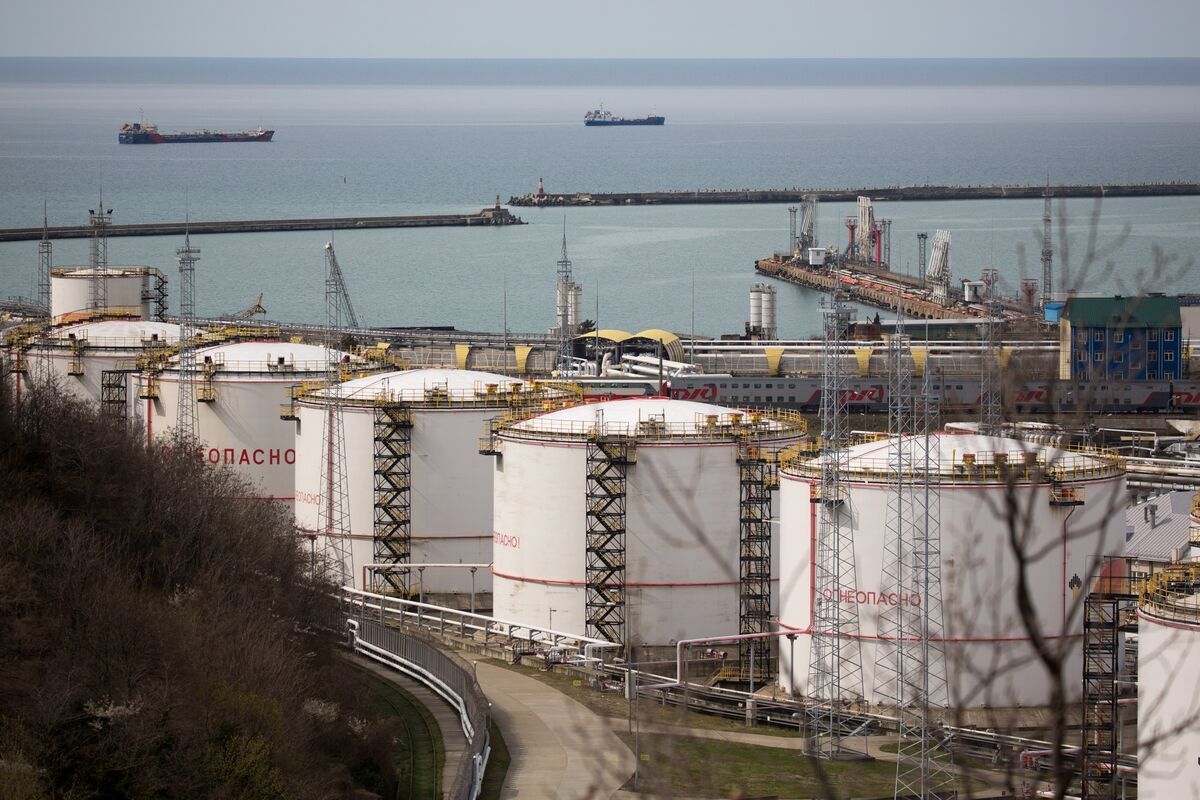
Russia's crude oil production in June reached 9.022 million barrels per day, falling 28,000 b/d short of its OPEC+ target and marking the largest monthly deficit this year. This underperformance suggests ongoing challenges for Russian output, potentially impacting global supply dynamics and the effectiveness of OPEC+ production management.
Russia's crude oil production fell short of its OPEC+ obligations in June, with output recorded at 9.022 million barrels per day. This level is 28,000 barrels per day below the nation's target for the month, which included compensatory cuts. The shortfall marks the most significant gap between Russia's production and its quota this year, according to Bloomberg calculations based on non-public figures. While the absolute volume of the miss is minor in a global context, its significance lies in it being the largest deficit in 2024, suggesting potential emerging constraints on Russian output or a deliberate production strategy. This underperformance by a key member could impact the perceived effectiveness of OPEC+'s supply management and contribute to a tighter-than-anticipated global supply balance.
AI-powered research, real-time alerts, and portfolio analytics for institutional investors.
Request DemoOverall Sentiment
mildly positive
Sentiment Score
0.25
