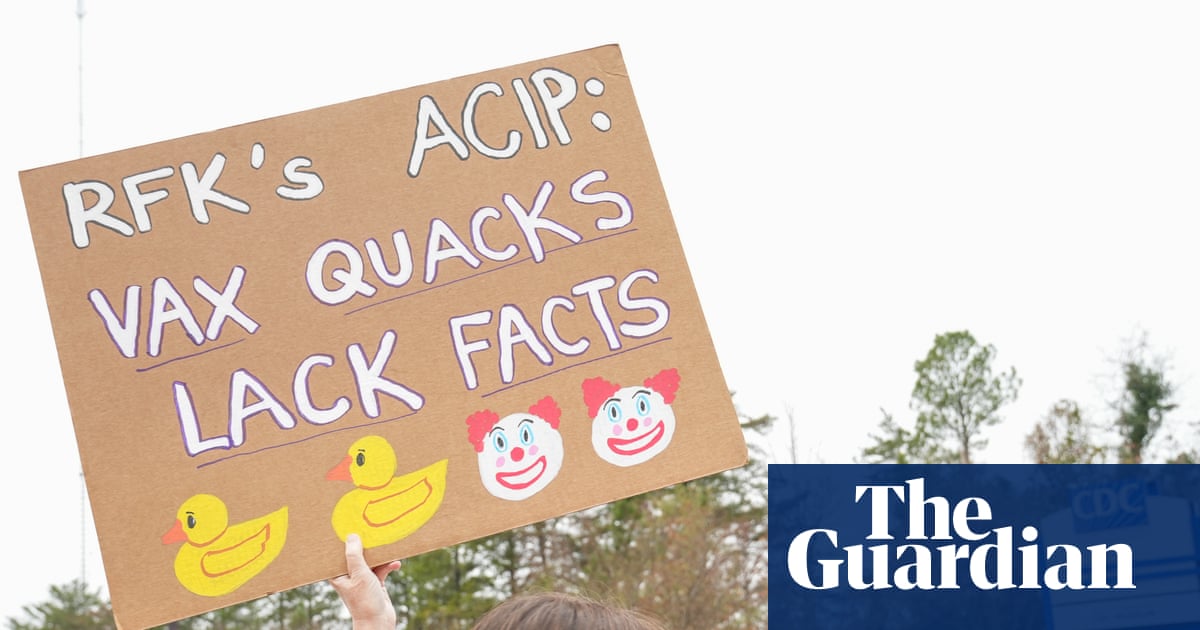
US health agencies reportedly blocked or delayed publication of multiple vaccine studies, including research on shingles, Covid boosters, and vaccine safety, amid wider concerns about political interference in scientific communications. The article says the latest Covid booster was 50% effective against emergency visits and 55% effective against urgent-care visits, but publication was halted after CDC leadership intervened. The controversy could undermine trust in vaccine guidance and signals potential future restrictions on seasonal vaccines.
This is less about a single censorship episode and more about a credibility shock to the US public-health information stack. The market implication is a widening gap between formal policy and actual utilization: when agencies look politically steered, the next phase is not immediate reversal in vaccine access but slower adoption, more pricing pressure on preventive franchises, and a higher probability of fragmented guidance across HHS subunits. That tends to hurt “trust-dependent” beneficiaries first: vaccine manufacturers, public-health adjacent diagnostics, and any biotech relying on guideline inclusion to drive uptake.
The second-order effect is that suppression of routine effectiveness data can paradoxically make downside worse for the very names under pressure, because absent clean agency output, bearish narratives fill the vacuum. Over 3-12 months, expect lower booster and seasonal vaccine uptake, which reduces near-term revenue visibility for mRNA and flu/RSV exposure while increasing volatility around launch season. Longer term, the bigger risk is not just lower volumes but more politicized trial design and endpoint selection, raising the discount rate on anything that depends on CDC/NIH endorsement.
The setup is asymmetric for HHS-related policy risk: if this is a transient communications clampdown, the trade fades quickly; if it is the start of a broader anti-vaccine regulatory posture, the market will re-rate the entire preventive-care complex. The key catalyst to watch is whether future CDC/MMWR releases regain independence; a restoration would compress the trust premium reversal, while another high-profile intervention would likely trigger a second leg down in vaccine demand expectations. One contrarian point: the market may already discount some vaccine hesitancy, but it is likely underpricing the reputational drag on public agencies themselves, which can persist for years and outlast the current administration.
AI-powered research, real-time alerts, and portfolio analytics for institutional investors.
Request DemoOverall Sentiment
moderately negative
Sentiment Score
-0.45
Ticker Sentiment
