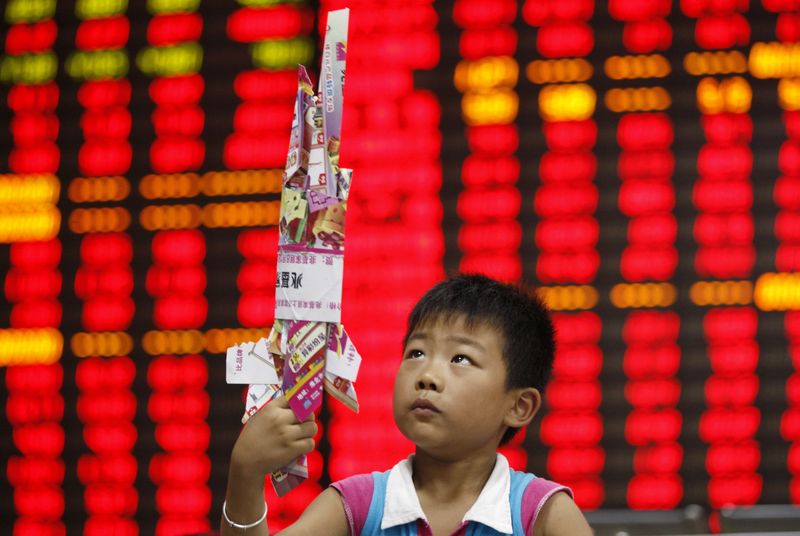
Fed policy decision later today is the key event as markets expect rates to be held steady but with a hawkish tone amid oil-driven inflation risks; the BOJ decision follows on Thursday. Tech-led gains were strong in Asia: KOSPI surged ~4% with Samsung and SK Hynix up ~4.5–6%, Nikkei +2.5% and TOPIX +~2%; Singapore +1%, ASX +0.3%, while Shanghai -0.4% and Hang Seng -0.2%. Geopolitical escalation — Israel killed Iran’s security chief and Iran struck UAE oil facilities — keeps supply disruption risk elevated through the Strait of Hormuz, supporting oil price sensitivity.
AI-driven hardware demand is real but clustered: the marginal dollar of enterprise capex now flows disproportionately into accelerators and the subsystem stack that supports them (power, cooling, interconnect, test). That concentration creates convex winners (companies with >50% exposure to AI server BOM increases) and hidden losers (generalist OEMs and legacy storage vendors) and raises the chance of inventory-led volatility as customers shift procurement from broad refresh cycles to targeted accelerator buys over the next 3–12 months. Macro messaging is the primary choke point for multiple expansion: a hawkish tilt from global central banks would reprice long-duration growth names by 10–25% over a 3–6 month window absent commensurate revenue beats, while a dovish surprise would re-awaken carry trades into EM/Asia technology. Simultaneously, any sustained geopolitical premium to oil/gas inflates input and logistics costs, compressing gross margins for manufacturers with thin operating leverage by an estimated 100–200bps within quarters and raising working capital needs. Executional risk dominates idiosyncratic outcomes — supply-chain bottlenecks (HBM, substrates, optical modules) can extend lead times and justify higher ASPs, but they also set up sharp mean-reversion if capacity catches up within 6–12 months. For portfolio construction this argues for concentrated, time-boxed exposure to top-stack suppliers with options hedges or pairs rather than large outright equities positions, and active monitoring of inventory days, lead-time metrics, and central bank language as 48–72 hour catalysts for volatility.
AI-powered research, real-time alerts, and portfolio analytics for institutional investors.
Overall Sentiment
mixed
Sentiment Score
0.05
Ticker Sentiment
