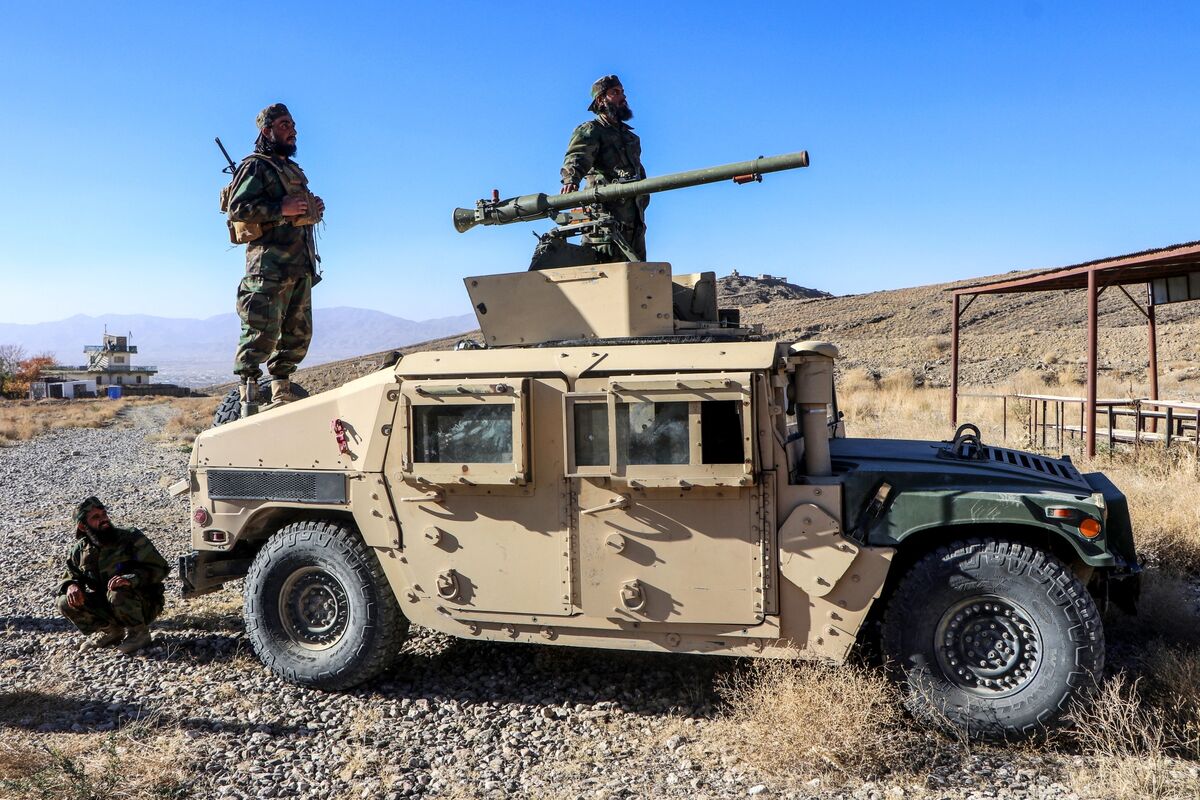
Pakistani forces conducted strikes in eastern Afghanistan’s Khost, Kunar and Paktika provinces that the Taliban says killed at least 10 people, including children and a woman, Taliban spokesman Zabiullah Mujahid reported on X. The attacks follow the collapse of talks meant to end cross-border clashes and signal renewed border tensions between Pakistan and Afghanistan, raising regional geopolitical risk that could weigh on investor sentiment for nearby markets and assets if escalation continues, though immediate direct market impact appears limited.
Market structure: Risk-off repricing will mainly hurt Pakistan FX and local assets while benefiting liquid safe havens and select defense names. Expect 1-4% near-term PKR weakness vs USD, 25-150bp widening in Pakistan 5y CDS if incidents escalate, bid for USD Treasuries and gold; commodity supply channels (oil/gas) remain largely unaffected so price moves will be risk-premium driven, not fundamentals.
Risk assessment: Tail risks include broader cross-border escalation, Chinese military-financial support dynamics, or domestic political unrest in Pakistan that could force capital controls; assign low probability but high impact (10-30% hit to local equities). Time horizons: immediate (days) = FX and sentiment shocks; short-term (weeks) = CDS and local bond yield repricing; long-term (quarters) = potential FDI/BEI project delays and higher borrowing costs. Key hidden dependency: Chinese state-backed lending and contractor activity — watch policy signals from Beijing that can stabilize or deepen stress.
Trade implications: Tactical trades should prioritize liquidity and clear stop/triggers: short Pakistan equity exposure and FX, buy short-duration Treasuries and gold, modest longs in large-cap defense primes for asymmetric payoff. Use cheap, short-dated options to hedge frontier exposure rather than sizing large directional positions; set re-entry rules tied to CDS/yield normalization and PKR stability.
Contrarian angles: Consensus may overstate escalation probability — prior border flare-ups (2019–2021) showed mean reversion in 4–8 weeks absent interstate war. If risk premium overshoots (PAK ETF down >15% or CDS +150bp), that creates selective buying opportunities in domestically-focused Pakistani banks/consumers with 3–12 month recovery potential if Chinese funding cushions the fiscal gap.
AI-powered research, real-time alerts, and portfolio analytics for institutional investors.
Request DemoOverall Sentiment
moderately negative
Sentiment Score
-0.35
