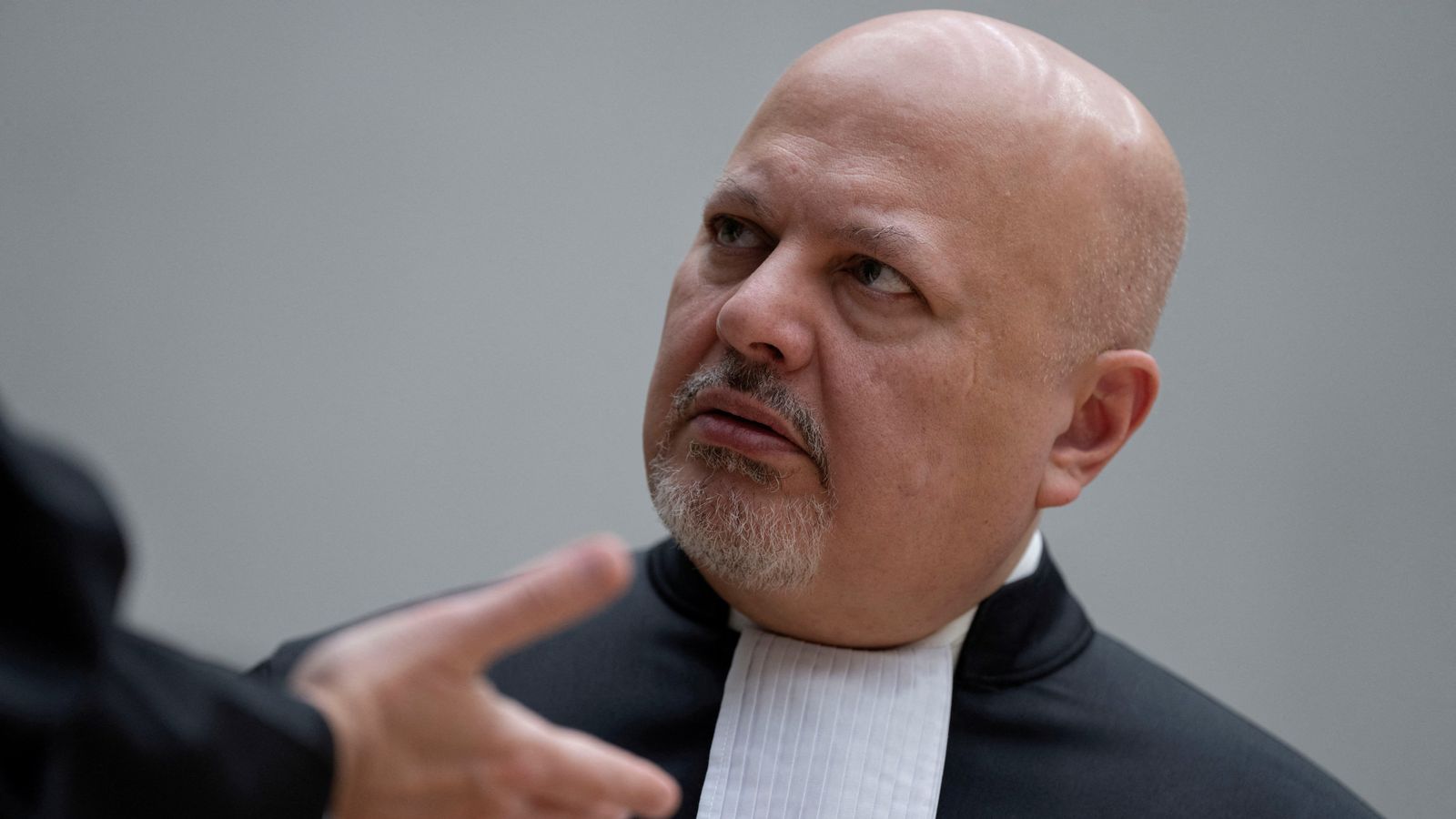
ICC chief prosecutor Karim Khan has been placed on leave and will face disciplinary proceedings after a core group vote of 15 in favour, 2 abstentions and 4 against following allegations of a non‑consensual sexual interaction. A UN investigative report found a 'factual basis' supporting the allegations while a separate judges' review said the evidence was insufficient 'beyond a reasonable doubt', producing conflicting conclusions. Combined with controversy over ICC arrest warrants for Israeli leaders and related US sanctions, the episode raises reputational and operational risks for the Court but is unlikely to drive broad market moves beyond heightened geopolitical/legal risk pricing in specific assets.
This development is a governance shock to the ICC that creates a binary, calendarable set of second-order market effects: a near-term increase in headline volatility tied to reputational uncertainty (days–weeks) and a credible pathway to reduced operational aggressiveness from the court if leadership is distracted or replaced (3–12 months). Reduced operational aggressiveness lowers the marginal legal risk for politically exposed actors and associated contractors; conversely, a fracturing of donor/backer consensus (African bloc vs Western backers) increases jurisdictional fragmentation and the probability of unilateral state remedies — both outcomes are pro-cyclical for defense and security suppliers.
Practical transmission mechanisms: (1) media-driven repricing of Israel-exposed equities and defense suppliers around hearing milestones (vote tallies, disciplinary rulings), (2) procurement timing shifts as governments hedge against weaker multilateral enforcement by accelerating domestic orders, and (3) a step-up in demand for crisis/legal advisory and compliance services. Expect concentrated P&L windows around procedural votes (next 2–8 weeks) and a sustained re-rating opportunity if the prosecutor departs or the office materially pares back high-profile indictments (3–12 months).
Tail risks: an adverse disciplinary outcome for the prosecutor could trigger retaliatory legal or sanction moves by sympathetic states, increasing fragmentation and creating downside for global trade/finance corridors tied to the region (6–24 months). A reversal is possible if a successor aggressively pursues cases or if the UN/judicial reports produce new, incontrovertible evidence — that would re-intensify sanction and reputational channels almost immediately and hurt the same beneficiaries above.
The consensus is anchored on headline interpretations (credibility hit vs exoneration) and is missing mid-cycle demand effects — governments accelerate procurement and legal spend when multilateral enforcement looks weaker. That dynamic creates a predictable, measurable revenue lift for defense primes and advisory firms even if the ICC survives intact politically.
AI-powered research, real-time alerts, and portfolio analytics for institutional investors.
Request DemoOverall Sentiment
mildly negative
Sentiment Score
-0.15
