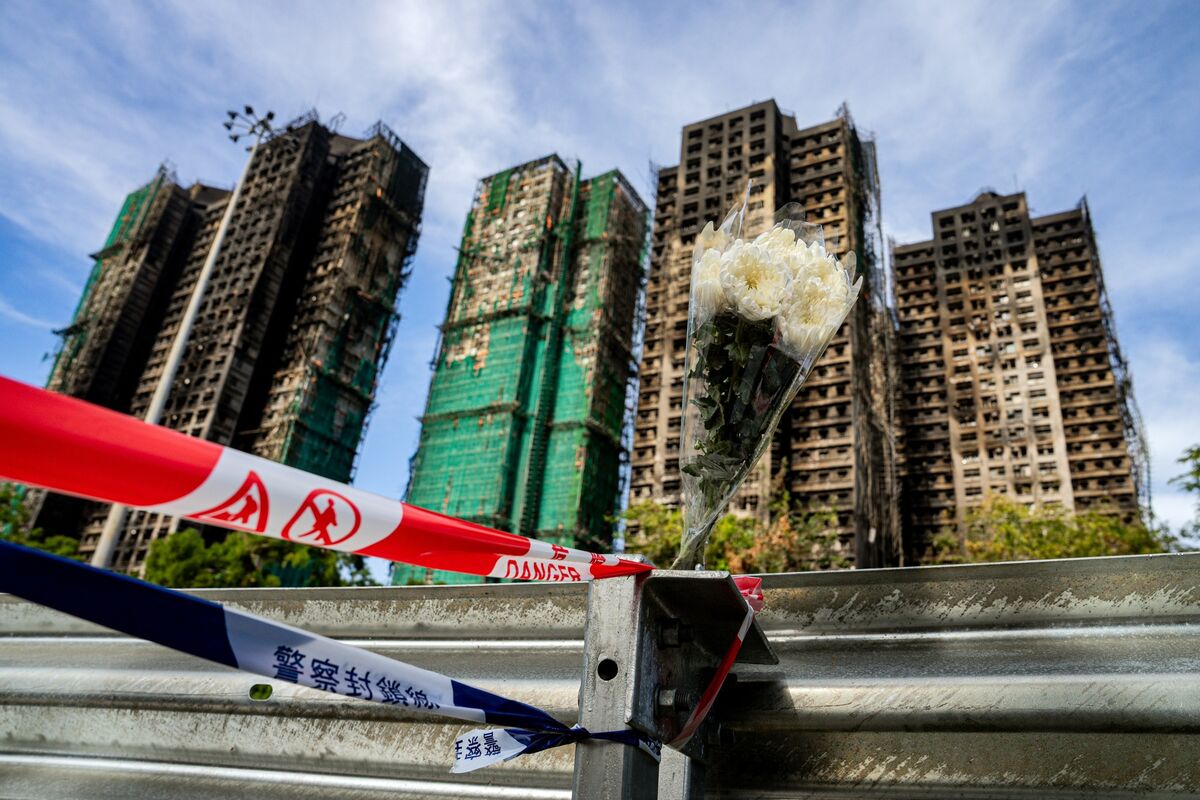
A devastating fire in Hong Kong — the deadliest in decades — has triggered widespread public anger over alleged negligence, building safety standards and official accountability, puncturing a previously fragile political calm. The incident raises the prospect of intensified regulatory scrutiny, potential legal action and reputational risk for local landlords and authorities, which could amplify political and policy uncertainty and weigh on investor sentiment toward Hong Kong assets in the near term.
Market-structure: The immediate winners are safety retrofit contractors, fire-safety equipment suppliers and insurers that can raise premiums; losers are Hong Kong landlords, residential developers and building-management firms facing remediation costs and reputational damage. Expect near-term liquidity pressure on small, highly-levered developers (potential equity drawdowns of 5–20% in stress scenarios) and upward pressure on building-insurance pricing over 6–12 months.
Risk assessment: Tail risks include broad regulatory crackdowns (mandatory retrofits, fines, criminal liability for managers) that could force multi-year capex of 1–3% of regional property market cap and materially compress developer free cash flow; political protests could trigger capital flight and a transient spike in HSI volatility within days–weeks. Hidden dependencies: mortgage books at HK banks, REIT valuations (e.g., LINK 0823.HK) and municipal budgets for social housing; contagion to Macau/tourism demand is possible if sentiment deterioration persists.
Trade implications: Short-duration hedges and selective longs in safety-tech makers are highest-expected-value: buy equipment suppliers (global: JCI, HON) for a 3–12 month regulatory capex cycle while hedging HK-beta via put spreads on 2800.HK (Tracker Fund) for 1–3 months. Rotate away from long-duration HK property exposure into cash/short-term US Treasuries or SGD for 1–3 quarters to avoid repricing risk and rising credit spreads.
Contrarian angles: The market may over-penalize blue-chip developers with diversified cashflows—if share prices fall >15% on panic, initiate selective buying (SHKP 0016.HK, CK Asset 1113.HK) because remediation costs are likely a one-time hit and government support to stabilize housing markets is probable within 3–9 months. Historical precedent (post-Grenfell) shows remediation-driven winners among safety contractors and long-term recovery for core real estate values over 12–24 months.
AI-powered research, real-time alerts, and portfolio analytics for institutional investors.
Request DemoOverall Sentiment
moderately negative
Sentiment Score
-0.45
