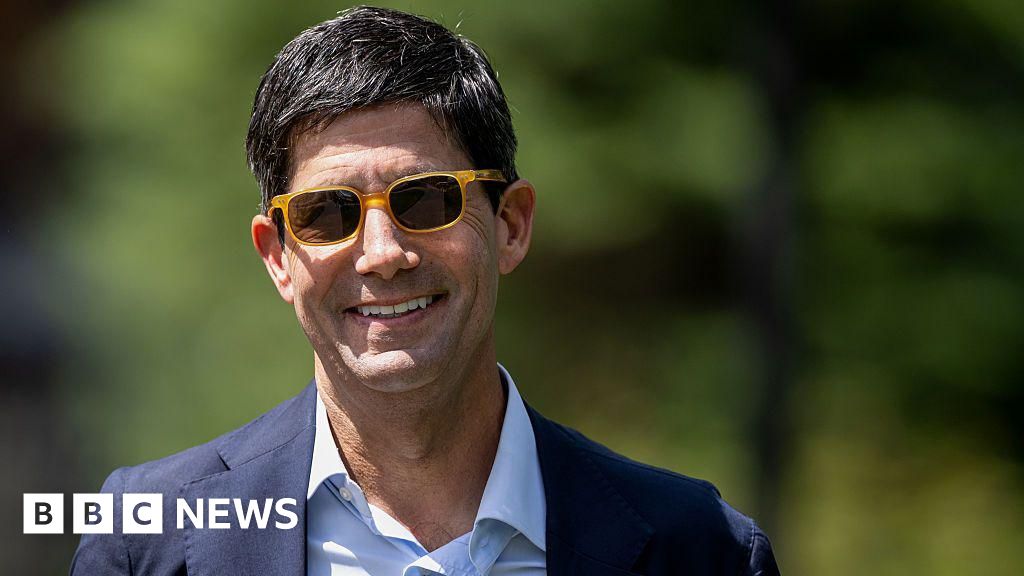
President Trump has nominated Kevin Warsh to replace Jerome Powell as Federal Reserve chair; Warsh is known for a historically hawkish stance on interest rates and has called for rolling back aspects of the Fed's post-crisis market interventions and its work on climate. Markets reacted intraday with the dollar rising and gold falling, reflecting concerns Warsh may favor higher rates or faster balance-sheet reduction, though many analysts note he has signaled some flexibility and independence. The nomination increases policy uncertainty around rate trajectory, balance-sheet management and bank regulation, making Fed signalling and confirmation developments key near-term drivers for risk assets.
Market structure: A Warsh-led Fed raises the probability of a faster normalization of the balance sheet and a higher-for-longer rate regime versus a Powell continuation, benefiting banks (higher net interest margins) and dollar strength while hurting long-duration assets, mortgage-sensitive securities and gold. Expect upward pressure on 2s10s and corporate funding costs if the Fed accelerates runoff by 0.25–0.50% of GDP over 6–12 months; mortgage spreads could widen 20–50bp if Fed reduces MBS reinvestment.
Risk assessment: Tail risks include politicization of the Fed causing volatility spikes (VIX >30) or a disorderly balance-sheet unwind that pushes 10y yields >150bp from current levels within 3–12 months, stressing bank funding and CRE. Near-term (days/weeks) FX/gold moves dominate; medium-term (3–6 months) credit and curve repositioning matter; long-term (quarters) hinges on coordination with Treasury and macro (CPI/PCE >3.5% or unemployment >6% alters path).
Trade implications: Tactical winners: large-cap U.S. banks (WFC, XLF) and regional banks (KRE) on steeper curves; losers: TLT, long-duration growth (QQQ), mortgage REITs and GLD. Use option collars and spreads to express a directional view—target 3–6 month horizons, position sizes 1–3% NAV per idea, and use clear stop triggers tied to 10y moves (±25–50bp) or CPI prints.
Contrarian angles: The market may over-index on the “hawk” label; Warsh’s independence and political constraints raise the probability of only gradual policy change, not abrupt hikes. If 10y yields retrace >30bp from post-announcement highs or CPI/PCE prints soften <0.2% m/m, long-duration assets and gold could mean-revert—presenting buy-the-dip opportunities for disciplined, size-capped entries.
AI-powered research, real-time alerts, and portfolio analytics for institutional investors.
Request DemoOverall Sentiment
neutral
Sentiment Score
-0.12
Ticker Sentiment
