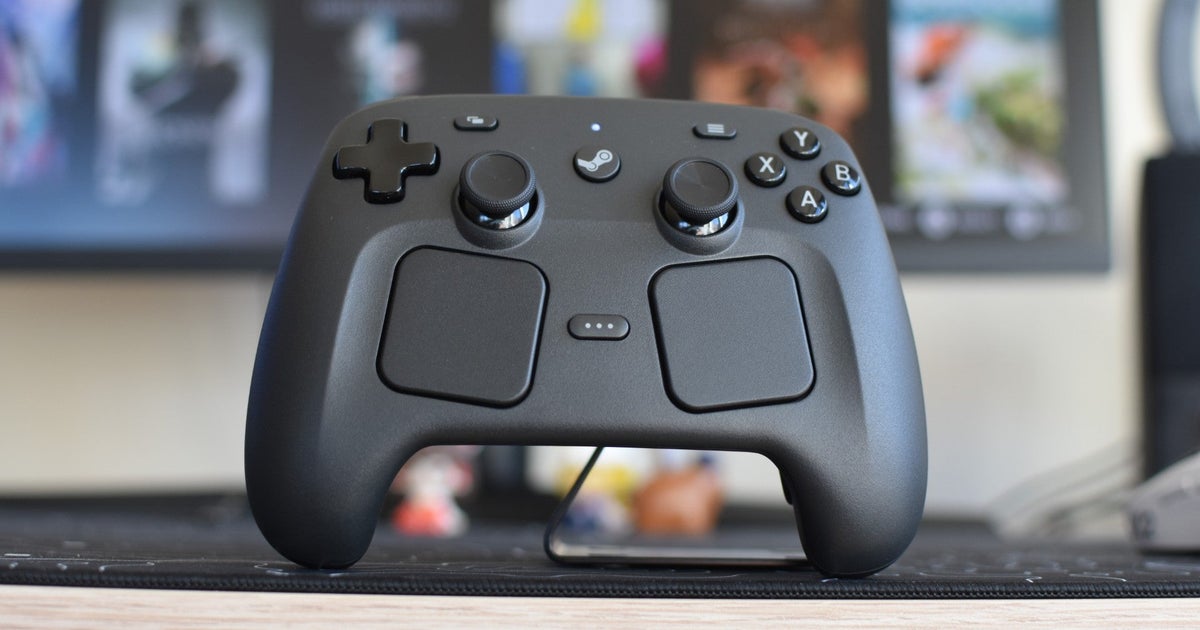
Valve’s new Steam Controller is receiving near-universal positive reviews ahead of launch, supporting the company’s broader 2026 hardware push that also includes the Steam Machine and Steam Frame. The article highlights strong ecosystem advantages from SteamOS and Proton, but flags supply-chain delays, pricing uncertainty, and questions about whether Valve can convert niche enthusiasm into mainstream adoption. Overall, the tone is constructive on Valve’s hardware strategy, though commercial impact remains uncertain.
Valve’s hardware push is less about unit volume and more about tightening platform lock-in at the margin. The key second-order effect is not the devices themselves, but the conversion of high-intent PC and console-adjacent users into higher-frequency Steam spenders, which is structurally bullish for ecosystem monetization even if hardware margins are thin. That makes the near-term beneficiary set broader than Valve’s direct peers: content publishers with strong PC catalog depth and accessory suppliers tied to premium PC gaming can see incremental demand without bearing the hardware execution risk. The market is likely underestimating how much of the launch narrative is already de-risked by software compatibility and control-scheme continuity; that reduces the classic “new hardware, no games” problem. The real gating item is now price elasticity and supply timing. If memory/storage constraints force a premium price into a consumer market already anchored by subsidized consoles, adoption can quickly bifurcate into enthusiast-only demand, which is enough to support a good product cycle but not enough to move the competitive landscape. That makes the next 1-2 quarters more important for sentiment than for revenue. For SONY and MSFT, the risk is less direct share loss today and more a slow erosion of controller and living-room mindshare among high-value users who might otherwise stay inside their ecosystems. However, the more important competitive threat is to standalone device makers and premium peripheral vendors that rely on software fragmentation; Valve is building a vertically integrated stack that other PC hardware brands cannot easily replicate. The contrarian view is that the market may be overpricing a consumer-console breakout while underpricing the much more realistic outcome: a profitable, self-reinforcing niche that still meaningfully lifts Steam monetization over years.
AI-powered research, real-time alerts, and portfolio analytics for institutional investors.
Overall Sentiment
moderately positive
Sentiment Score
0.45
Ticker Sentiment
