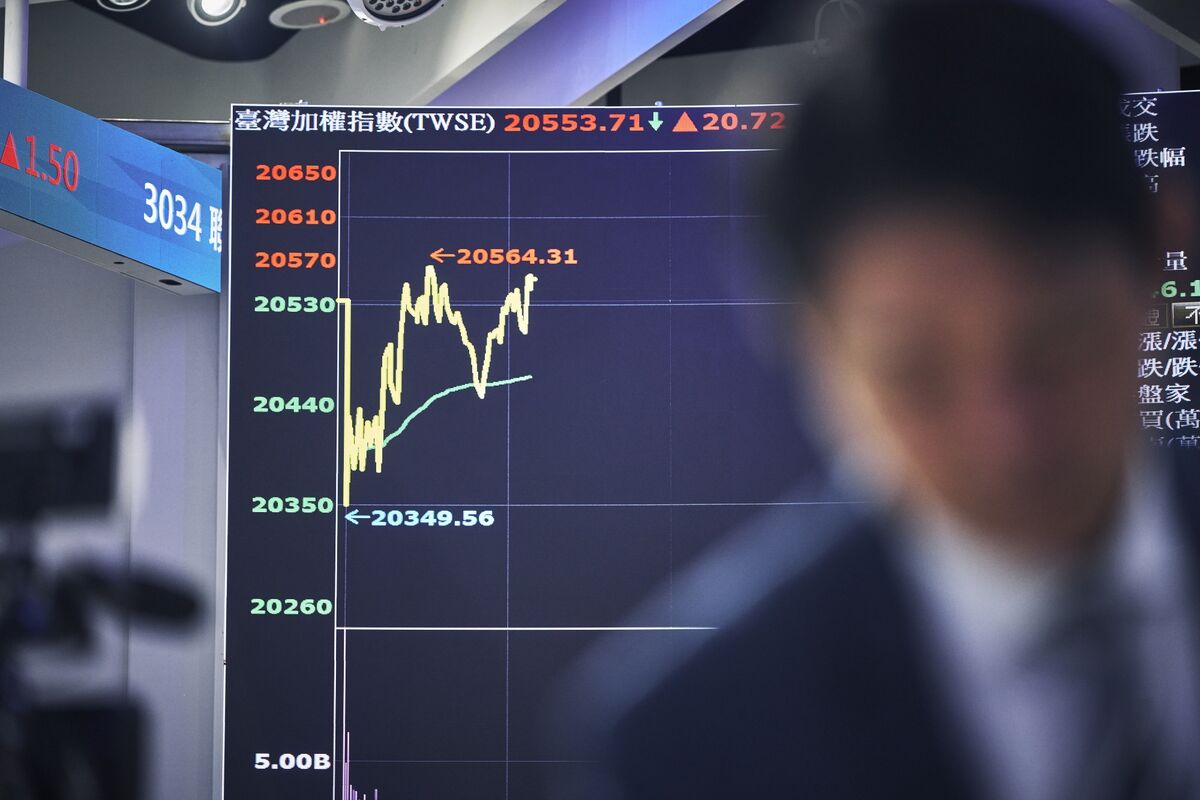
Asia's long-standing financial strategy of investing export proceeds into U.S. assets, a model underpinning $7.5 trillion in investments, faces significant challenges due to shifts in U.S. trade and economic policy under Donald Trump, potentially triggering an unwinding of these investments according to major money managers.
A long-standing financial paradigm, wherein Asian export-driven economies reinvested substantial proceeds into U.S. assets, is facing a significant structural threat. This model, underpinning an estimated $7.5 trillion in investments, is increasingly at risk due to anticipated shifts in U.S. trade and economic policies, particularly those associated with initiatives from Donald Trump, creating a level of uncertainty not seen since the 2008 global financial crisis. Prominent money managers indicate that a potential unwinding of these vast holdings may already be commencing. Such a development carries profound implications for global capital flows, potentially exerting considerable pressure on U.S. asset markets, particularly U.S. Treasuries, and could lead to heightened volatility in currency markets, affecting both the U.S. dollar and various Asian currencies. The high market impact score of 0.85 and strongly negative sentiment of -0.7 underscore the gravity of this potential shift, with primary repercussions expected within trade policy, emerging markets, and foreign exchange dynamics.
AI-powered research, real-time alerts, and portfolio analytics for institutional investors.
Request DemoOverall Sentiment
strongly negative
Sentiment Score
-0.70
