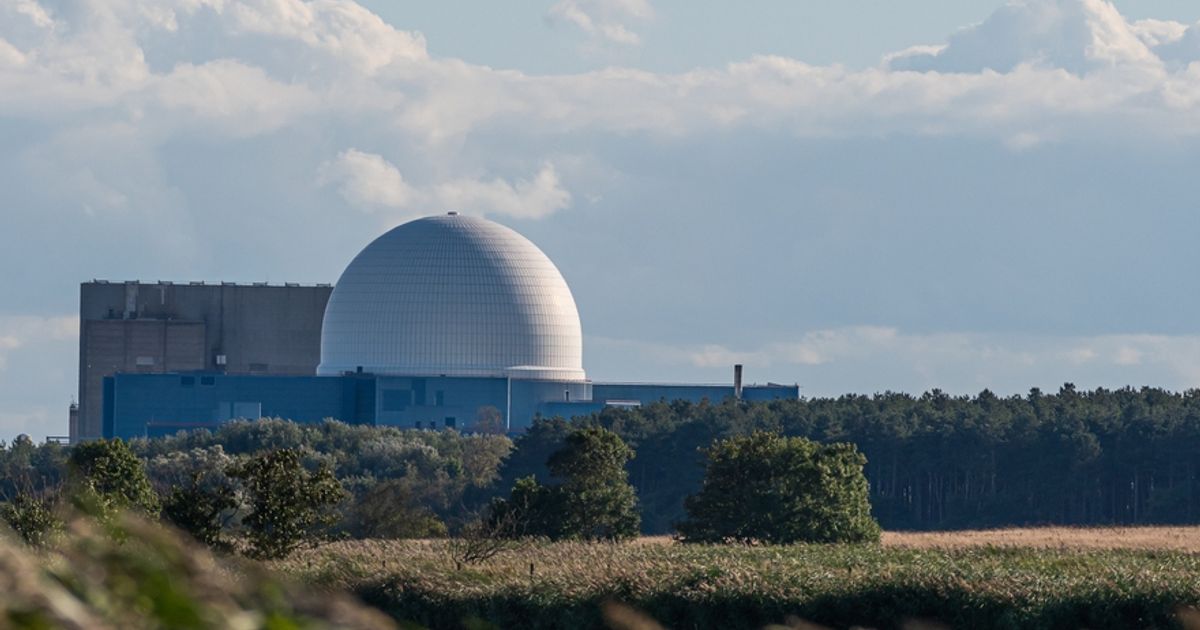
Centrica has paused further share buybacks after completing a £2.0bn repurchase (≈25% of share capital at an average 136p) to prioritize capital deployment into infrastructure, including a £1.3bn capped investment in the 3.2GW Sizewell C project (with £376m equity committed) and a 50% stake in the Grain LNG terminal for ~£200m equity in a £1.5bn EV deal. 2025 capex surged to £1.23bn (from £564m), driving a free cash outflow of £167m versus a £989m inflow in 2024; adjusted EBITDA fell to £1.4bn from £2.3bn and adjusted operating profit to £814m from £1.55bn, while adjusted net cash declined to just under £1.5bn (from £2.9bn). Despite weaker results, Centrica raised the full-year dividend 22% to 5.5p and returned £1.1bn to shareholders, signaling a strategic pivot toward regulated and contracted assets for more stable future earnings.
Market structure: Centrica’s pause of further buybacks to fund a £1.3bn capped Sizewell C stake and a ~£200m Grain equity cheque shifts capital from financial engineering to long‑dated regulated/contracted assets. Winners: owners of UK regulated infrastructure (NG.L, SSE.L) and LNG terminal operators who gain scale; losers: short‑term income/repurchase-dependent shareholders and gas traders if UK import capacity rises. Removal of buyback support (avg repurchase 136p, £2bn complete) reduces near‑term floor under CNA stock and shifts pricing power toward project counterparties and government/contract riders for nuclear returns.
Risk assessment: Near term (days–weeks) expect elevated sentiment volatility around construction milestones and any funding announcements; medium term (3–12 months) free cashflow stress if capex outflows persist—adjusted net cash fell to ~£1.5bn and capex jumped to £1.23bn. Tail risks: major Sizewell C delay/overrun, adverse regulatory change, or sustained low wholesale prices that compress merchant margins; such events could wipe out dividend cushion and widen corporate spreads by 200–400bps. Hidden dependencies include counterparty risk on contracted revenues and potential equity injections by consortium partners if nuclear hits cost inflation.
Trade implications: Tactical, size‑limited positions preferred. For income‑oriented investors, rotate toward NG.L and SSE.L (regulated cashflows) and away from pure merchant gas traders; for event traders, use asymmetric option structures on CNA (long dated puts and call spreads) to express views on execution risk versus long‑term asset value. Cross‑asset: expect modest sterling support for GBP if Grain improves UK security, marginal downward pressure on short‑dated TTF/UK gas and upward pressure on utility credit spreads during large capex phases.
Contrarian angles: The market may underprice the long‑run value of contracted nuclear/LNG cashflows — if Sizewell C achieves revenue commencement on schedule, CNA valuation could re‑rate by 20–40% over 12–24 months. Conversely, consensus may understate execution risk: buyback exhaustion removes a mechanical demand channel and makes CNA more susceptible to sentiment selloffs; short‑dated option premium may be underpriced relative to event risk. Historical parallels: utilities that pivoted into terminals/nuclear (e.g., mid‑2000s LNG investments) traded through multi‑year volatility before re-rating on stable cashflows.
AI-powered research, real-time alerts, and portfolio analytics for institutional investors.
Request DemoOverall Sentiment
mixed
Sentiment Score
-0.05
