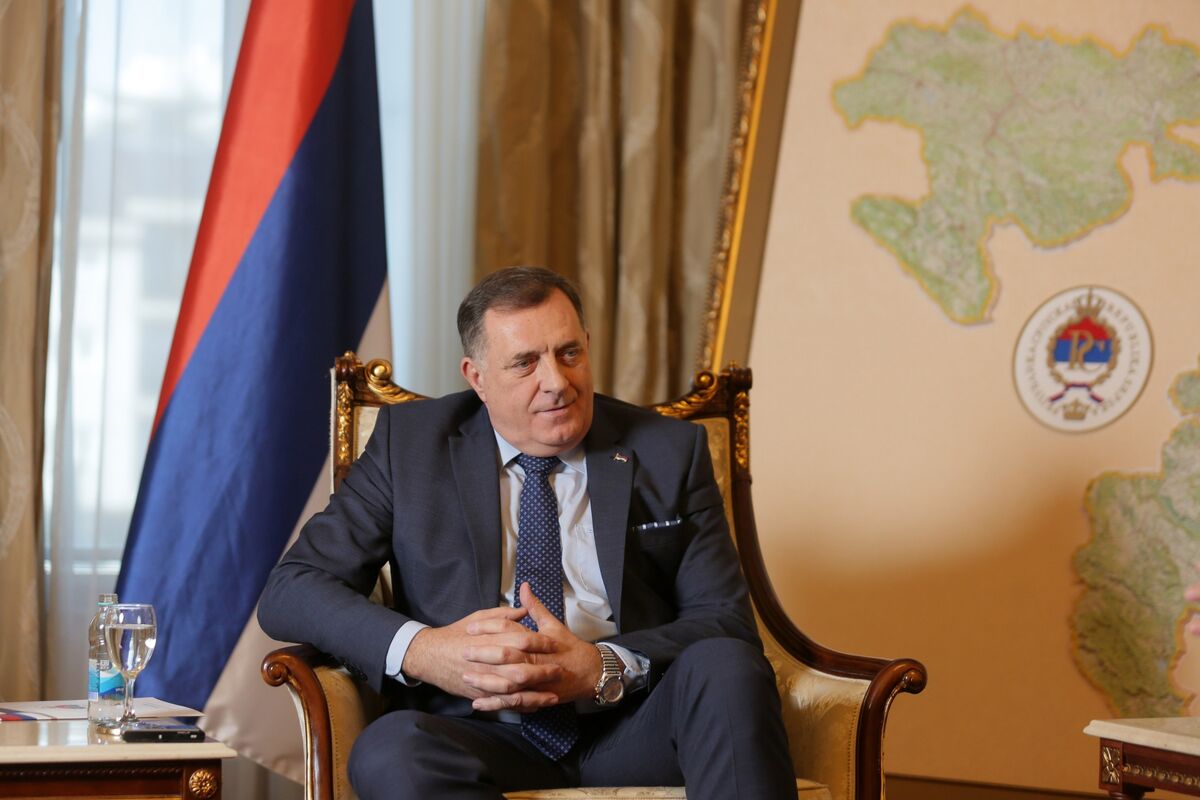
The U.S. has lifted sanctions against former Bosnian Serb leader Milorad Dodik and his family, removing them from the Office of Foreign Assets Control's Specially Designated Nationals List, following his resignation as president of Republika Srpska. This action, reversing sanctions imposed in 2017, could signal a shift in U.S. policy regarding the Balkans and potentially influence the perception of political risk for regional investments.
The United States has formally lifted sanctions against Milorad Dodik, the former Bosnian Serb leader, and his family, removing them from the Office of Foreign Assets Control’s Specially Designated Nationals List. This action follows Dodik's resignation as president of Republika Srpska, reversing restrictions initially imposed in 2017. This development signals a potential recalibration of U.S. foreign policy in the Western Balkans, specifically concerning Bosnia and Herzegovina. The removal of sanctions, tied to a significant political transition, could foster a more stable political environment in the region. While the immediate market impact is assessed as very low (score of 0.05) and sentiment is neutral, the long-term implications for regional investment perception bear watching. A reduction in perceived political risk, even if gradual, could improve the investment climate for entities operating within or exposed to the Balkans.
AI-powered research, real-time alerts, and portfolio analytics for institutional investors.
Request DemoOverall Sentiment
neutral
Sentiment Score
0.00
